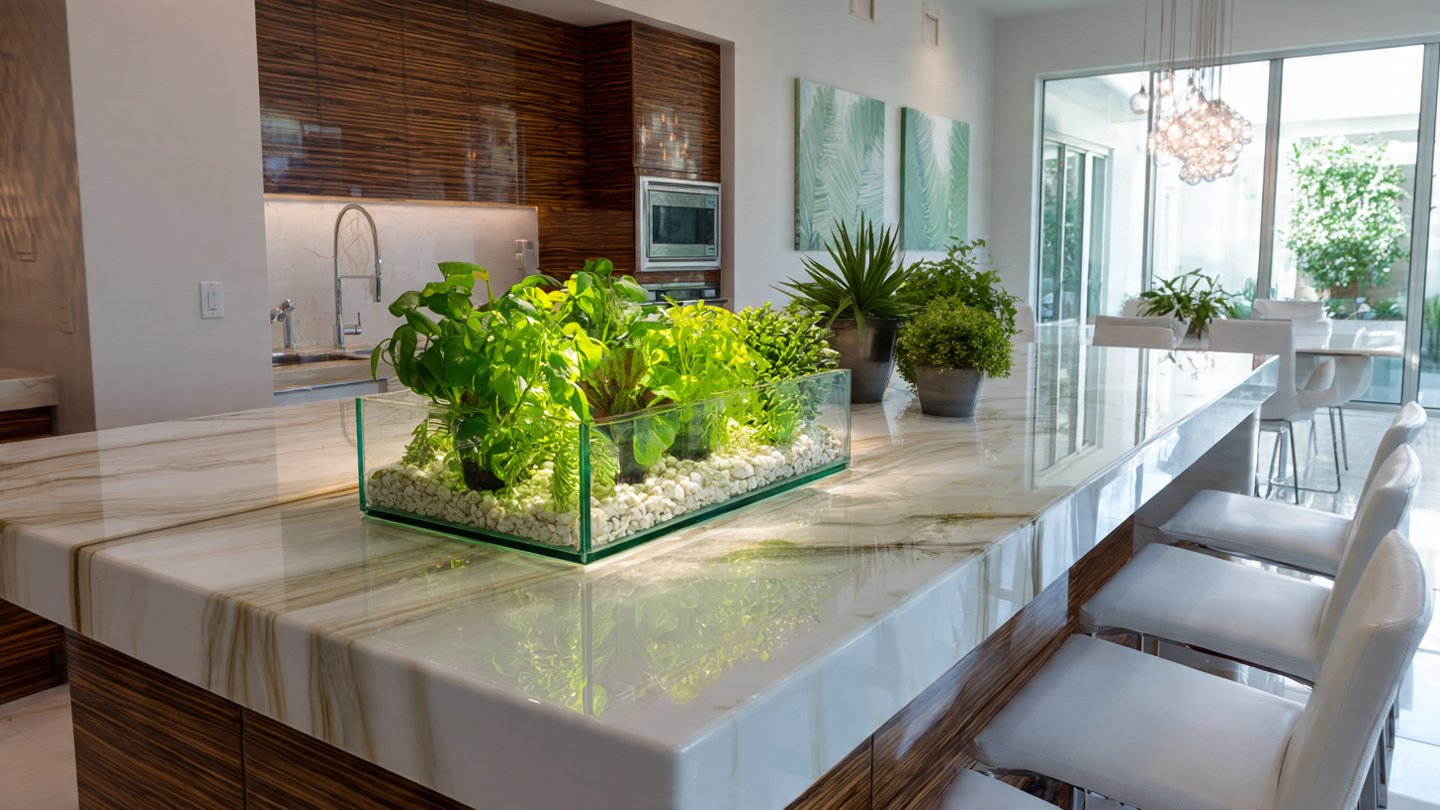

In today’s fast-paced world, the notion of home has evolved beyond just a functional space; it has become an oasis of tranquility and style. A sleek, modern kitchen island serves as the centerpiece of contemporary kitchens, blending functionality with aesthetics. When adorned with plants, it can transform into a green oasis that enhances both the visual appeal and the overall ambiance of your cooking space. This article explores various plants that not only thrive in kitchen environments but also complement and elevate the sleek design of modern kitchen islands.
The Benefits of Bringing Plants into Your Kitchen
Incorporating greenery into your kitchen isn’t just about aesthetics; it brings numerous benefits, including:
- Air Purification: Many indoor plants improve air quality by filtering out toxins.
- Enhanced Creativity: A touch of nature can inspire creativity in the culinary arts.
- Relaxation: Greenery can create a calming environment, reducing stress during meal preparation.
- Flavorful Fresh Herbs: Having fresh herbs at your fingertips enhances your cooking and provides fresh flavors.
Top Plants for a Modern Kitchen Island
Here are some of the best plants to consider for your kitchen island, blending beautifully with its modern aesthetic:
1. Herbs
One of the best choices for a kitchen island includes kitchen herbs, which are both functional and decorative.
- Basil: Aromatic and vibrant, basil adds a pop of green alongside the culinary art. It loves bright, indirect light.
- Chives: Easy to grow and maintain, chives offer mild onion flavor and lush green color.
- Mint: Not only does mint provide refreshing flavor, but it also releases a pleasant fragrance in the kitchen.
2. Succulents
For those who may not have a green thumb, succulents are low-maintenance and add a modern touch:
- Aloe Vera: It’s not only visually appealing but also has healing properties. Succulent and easy to care for, aloe thrives in bright light.
- Echeveria: This rosette-forming succulent has stunning colors and is ideal for decorative arrangements.
3. Pothos
Pothos is a resilient trailing plant that adapts well to various lighting conditions. With its heart-shaped leaves, it adds an elegant touch:
- Care: Pothos can thrive in low light, provided it is not overwatered, making it perfect for kitchen islands.
4. Snake Plant
The snake plant is a hardy option that works well in modern kitchens:
- Air Purification: Known for its air-purifying abilities, this plant can grow in low light and requires minimal watering.
5. Spider Plant
The spider plant is an excellent choice for hanging decor, creating a lively effect:
- Easy Care: This adaptable plant survives under various conditions and produces “baby” plants, which can be propagated easily.
6. ZZ Plant
Characterized by its glossy leaves, the ZZ plant suits minimalist spaces:
- Resilience: It thrives in low light and can withstand occasional neglect, making it a great fit for busy households.
7. Fiddle Leaf Fig
For those seeking a more striking focal point, the fiddle leaf fig is an ideal option:
- Stately Presence: With large, glossy leaves, this plant adds a touch of elegance and sophistication to your kitchen.
- Light Requirements: It prefers bright, indirect light and thrives in well-drained soil.
Container and Arrangement Ideas
The container you choose can significantly affect the aesthetic of your kitchen island. Here are a few tips for arranging your plants:
- Mix Heights: Combine plants of varying heights to create depth and interest.
- Group Similar Plants: Cluster your herbs together for a cohesive look, making it easier to access them when cooking.
- Use Stylish Pots: Choose pots that match your kitchen decor, whether it’s sleek ceramic, rustic terracotta, or modern concrete.
- Vertical Gardens: If space allows, think about vertical arrangements to maximize display without taking up too much counter space.
Maintaining Your Kitchen Oasis
Maintaining your indoor garden doesn’t have to be a chore. Here are essential care tips:
- Watering: Be mindful of each plant’s needs. Overwatering can be as harmful as underwatering.
- Light Exposure: Ensure that your plants are receiving appropriate lighting. Rotate them if necessary to ensure even growth.
- Fertilizing: Feed your plants with a balanced fertilizer during the growing season (spring and summer).
Conclusion
Integrating plants into your modern kitchen island not only enhances its visual appeal but also contributes positively to your kitchen environment. Whether you choose to cultivate fresh herbs for cooking, opt for hardy succulents, or select elegant larger plants like the fiddle leaf fig, each option has its unique charm. A well-decorated kitchen island can become a lush green oasis, promoting tranquility and creativity in the heart of your home. By taking proper care of these plants, you can enjoy their beauty and benefits for years to come, turning your kitchen into a vibrant and inviting space.
Frequently Asked Questions (FAQs)
1. What plants are easiest to maintain in a kitchen?
Succulents, pothos, and snake plants are some of the easiest to care for as they require minimal watering and can thrive in various lighting conditions.
2. Can I grow herbs indoors year-round?
Yes, many herbs like basil, chives, and mint can be grown indoors year-round with adequate light and care, making them perfect for kitchen islands.
3. How much light do indoor plants need?
Most indoor plants thrive in bright, indirect light. However, some plants, like snake plants and pothos, can adapt to low light conditions as well.
4. How often should I water my kitchen plants?
Watering frequency varies by plant type and environment. Generally, check the soil moisture before watering to avoid overwatering.
5. Which plants help purify the air?
Plants like spider plants, snake plants, and peace lilies are known for their air-purifying qualities and can improve indoor air quality.