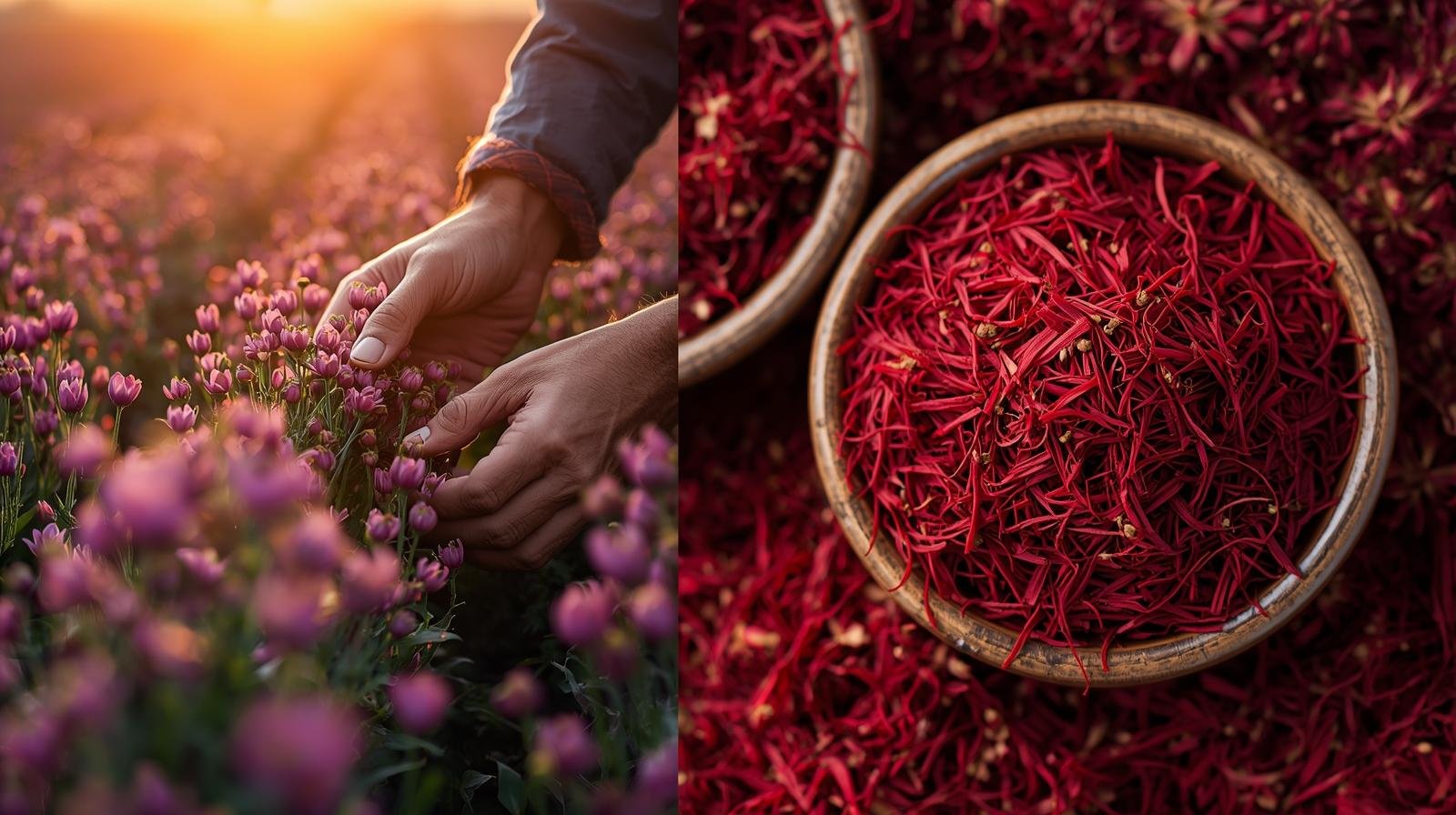

Saffron is known as the most expensive spice in the world. Its rich aroma, color, and medicinal properties make it highly valuable. Saffron is harvested from the Crocus sativus flower. Each flower produces only a few strands. Harvesting is done by hand, making production labor-intensive. Saffron has been prized for centuries. It is used in cooking, medicine, and cosmetics. One country dominates global saffron production.
Understanding Saffron Cultivation
Saffron cultivation requires specific conditions. It grows best in dry climates with cold winters. Well-drained soil is essential. The flowering period is short. Harvesting must be done quickly and carefully. Each step requires precision. Low yields make saffron rare. These factors limit production regions globally.
Iran as the World’s Largest Saffron Producer
Iran is the largest producer of saffron worldwide. It accounts for the vast majority of global supply. Iranian saffron dominates international markets. The country’s climate suits saffron cultivation perfectly. Centuries of experience enhance quality. Saffron farming is deeply rooted in Iranian culture. Production is widespread across several provinces. Iran’s leadership is unmatched.
Key Saffron-Growing Regions in Iran
Most saffron is grown in eastern Iran. Khorasan province is the primary production area. Dry climate and fertile soil favor growth. High altitude improves saffron quality. Traditional farming methods preserve quality. Rural communities depend on saffron cultivation. Generational knowledge supports consistency. These regions form the heart of global saffron supply.
Why Iran Leads Global Saffron Production
Iran leads due to ideal environmental conditions. Skilled labor ensures careful harvesting. Low production costs increase competitiveness. Traditional drying methods preserve aroma. Strong domestic knowledge supports quality. Government support stabilizes production. Large cultivated areas increase output. These factors secure Iran’s dominance.
Saffron Harvesting Process
Saffron harvesting is extremely delicate. Flowers bloom for only a few weeks. Each flower is handpicked early in the morning. Stigmas are carefully separated. Drying must be precise to retain quality. This process requires patience and skill. Mistakes reduce value. Expertise ensures premium saffron.
Quality and Grades of Saffron
Saffron quality varies by color, aroma, and purity. Iranian saffron is known for high crocin content. Deep red strands indicate superior quality. Proper drying enhances strength. Strict grading improves export value. Quality control ensures consistency. High grades command premium prices. Iran excels in quality standards.
Economic Importance of Saffron in Iran
Saffron is a major export commodity for Iran. It supports thousands of rural families. Export revenue contributes to the economy. Small farms dominate production. Saffron offers high income from small land areas. The spice supports rural stability. Economic reliance reinforces investment. Saffron strengthens agricultural income.
Global Demand for Saffron
Global demand for saffron continues to grow. Culinary use increases worldwide. Medicinal and cosmetic applications expand demand. Luxury food markets favor saffron. Health benefits boost popularity. Limited supply maintains high prices. Demand stability benefits producers. Iran benefits most from this trend.
Other Saffron-Producing Countries
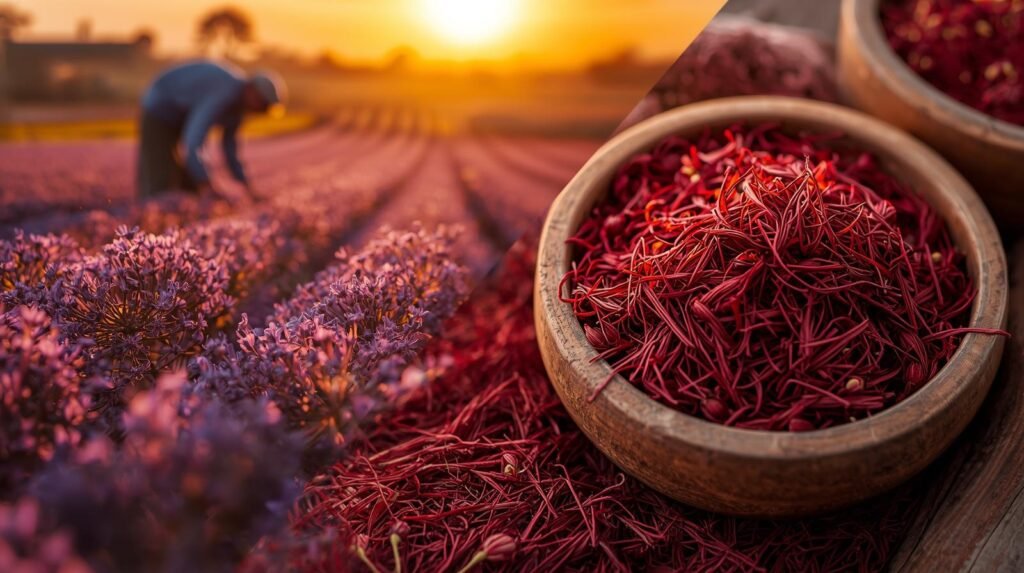
Countries like India, Spain, Afghanistan, and Greece also produce saffron. India produces saffron mainly in Kashmir. Spain focuses on quality branding. Afghanistan expands production rapidly. However, none match Iran’s volume. These countries serve niche markets. Iran remains the global leader.
Table: Major Saffron-Producing Countries
| Country | Production Level | Key Feature | Global Share |
|---|---|---|---|
| Iran | Very high | Ideal climate | Largest |
| India | Moderate | Premium quality | Limited |
| Spain | Low | Branding strength | Niche |
| Afghanistan | Growing | Low costs | Emerging |
| Greece | Small | Traditional methods | Specialty |
Climate and Soil Advantages
Iran’s climate supports saffron naturally. Dry summers prevent disease. Cold winters promote flowering. Soil composition enhances pigment concentration. Low rainfall reduces rot. Environmental stability improves yield. Natural advantages reduce costs. Climate plays a key role in dominance.
Traditional Knowledge and Farming Practices
Iranian farmers use traditional methods refined over centuries. Planting depth affects yield. Harvest timing is crucial. Drying techniques preserve potency. Knowledge passes through generations. Cultural respect for saffron ensures care. Tradition supports consistency. Experience maintains quality leadership.
Challenges in Saffron Production
Saffron production faces challenges. Labor shortages increase costs. Climate change threatens stability. Market adulteration affects reputation. Political factors influence exports. Quality control is essential. Addressing challenges requires innovation. Iran adapts through experience.
Technological Improvements in Saffron Farming
Technology supports modern saffron cultivation. Improved irrigation conserves water. Research enhances yield efficiency. Quality testing prevents adulteration. Packaging innovations protect freshness. Technology complements tradition. Modern methods improve sustainability. Innovation secures future growth.
Saffron Pricing and Market Control
Iran influences global saffron prices. High production volume stabilizes markets. Quality consistency builds trust. Export channels distribute worldwide. Market control strengthens leadership. Pricing reflects rarity and labor. Iran’s scale ensures dominance. Market influence remains strong.
Environmental Sustainability
Saffron farming uses minimal water. Small land areas produce high value. Low chemical use protects soil. Sustainable practices support longevity. Climate-appropriate cultivation reduces impact. Environmental benefits align with modern values. Sustainability enhances appeal. Responsible farming supports future production.
Future of Global Saffron Production
Demand for saffron is expected to grow. Iran continues to expand cultivation. Quality improvement remains a priority. Export diversification strengthens markets. Sustainable practices ensure long-term supply. Innovation supports efficiency. Iran’s leadership is expected to continue. Global reliance remains strong.
Why Iran Remains Unchallenged
Iran combines volume, quality, and experience. No other country matches its scale. Cultural dedication ensures excellence. Environmental advantages support consistency. Market trust reinforces leadership. Adaptability ensures resilience. Iran’s dominance is secure. Global saffron depends on Iran.
Conclusion: Iran’s Global Saffron Leadership
Iran is the world’s largest saffron producer by a wide margin. Natural conditions and expertise support dominance. Saffron remains central to rural livelihoods. Global demand ensures continued importance. Despite challenges, resilience remains strong. Iran sets global standards. Its leadership is undisputed. Saffron’s future remains tied to Iran.