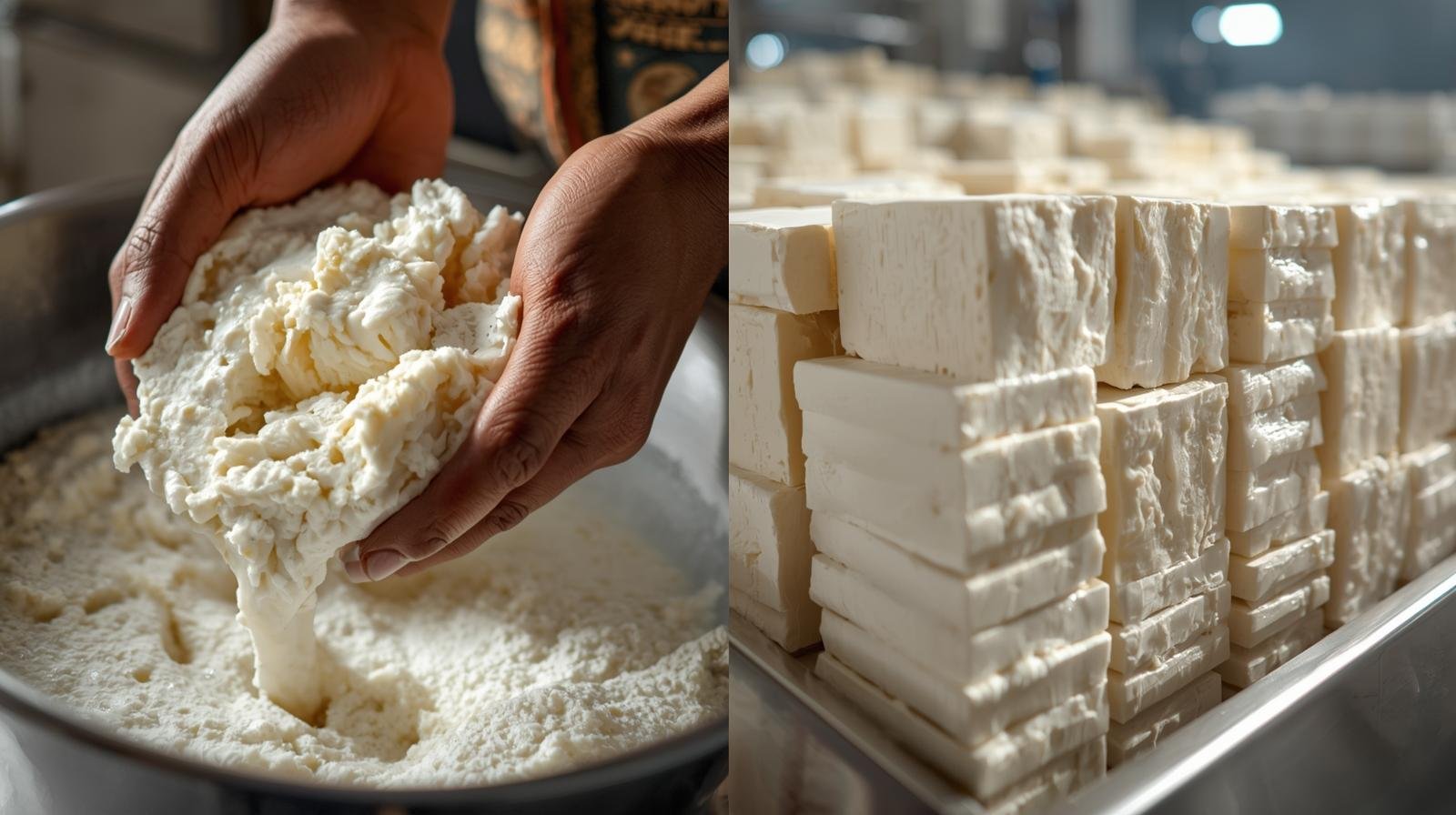

Paneer is a fresh cheese widely used in many cuisines, especially in South Asia. It is a major source of protein for vegetarian diets. Paneer is used in traditional dishes and modern recipes alike. Global consumption of paneer has increased significantly. Its simple preparation and versatility make it popular worldwide. Paneer production depends heavily on milk availability. Countries with strong dairy industries lead production. One country stands out as the global leader in paneer production today.
What Is Paneer and How It Is Made
Paneer is a non-aged fresh cheese. It is made by curdling hot milk using acidic agents. The curds are pressed to remove whey. Paneer retains a soft yet firm texture. It does not melt when cooked. Paneer absorbs flavors easily. Its production does not require complex aging. Fresh consumption defines its quality.
Global Demand for Paneer
Paneer consumption has grown rapidly worldwide. Vegetarian diets increase its popularity. Restaurants and food brands use paneer extensively. Ready-to-cook paneer products are widely available. Demand is strong in urban areas. International markets are expanding steadily. Paneer exports are increasing. Global interest continues to rise.
India as the World’s Largest Paneer Producer
India is the largest paneer producer in the world today. The country produces massive quantities of milk annually. Paneer is a staple in Indian households. High domestic consumption supports large-scale production. Traditional and industrial methods coexist. India’s dairy infrastructure is extensive. Paneer production is widespread across regions. This scale ensures global leadership.
Why India Leads in Paneer Production
India’s leadership comes from its massive dairy industry. The country has the world’s largest milk production. Paneer is deeply rooted in Indian cuisine. High demand ensures continuous production. Skilled dairy farmers support supply. Processing units operate at multiple levels. Cultural preference drives consumption. These factors secure India’s position.
Major Paneer-Producing Regions in India
Paneer production is spread across India. Northern states produce the highest quantities. Punjab, Uttar Pradesh, Haryana, and Rajasthan lead production. These regions have strong dairy traditions. Urban centers boost commercial production. Rural areas support raw milk supply. Regional diversity strengthens production. Nationwide presence ensures availability.
Role of the Dairy Industry
India’s dairy industry supports paneer production. Cooperative systems ensure milk supply. Modern processing units improve efficiency. Cold storage supports freshness. Transportation networks distribute products widely. Government initiatives strengthen dairy farming. Technology enhances quality control. The industry backbone ensures consistency.
Traditional vs Industrial Paneer Production
Traditional paneer is handmade in households. Industrial production meets large-scale demand. Modern plants maintain hygiene standards. Both methods coexist successfully. Traditional methods preserve taste. Industrial production ensures availability. Quality varies based on method. Combined systems support leadership.
Economic Impact of Paneer Production
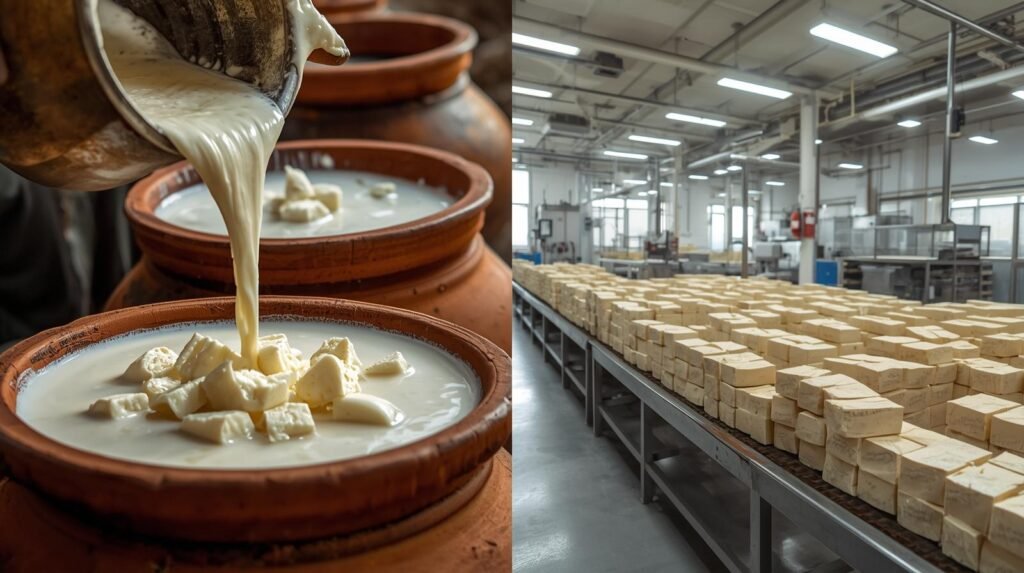
Paneer production supports millions of livelihoods. Dairy farmers benefit directly. Processing units create employment. Retail and food services expand opportunities. Export markets generate revenue. Paneer adds value to milk. Rural economies strengthen. Economic contribution is significant.
Paneer Consumption Patterns
Paneer is consumed daily in many homes. Restaurants use paneer extensively. Ready-made paneer increases convenience. Festive dishes increase demand seasonally. Urban lifestyles boost packaged paneer sales. Health-conscious consumers prefer paneer. Demand remains stable year-round. Consumption patterns favor growth.
Export of Paneer from India
India exports paneer to many countries. Diaspora demand drives exports. Quality standards improve acceptance. Frozen paneer expands shelf life. Export volumes increase steadily. International Indian cuisine boosts demand. Branding strengthens recognition. Exports support global presence.
Comparison with Other Paneer-Producing Countries
Other countries produce paneer on smaller scales. Pakistan and Bangladesh produce paneer locally. Middle Eastern countries import paneer. Western countries produce paneer niche products. None match India’s scale. Domestic demand differentiates India. Infrastructure supports dominance. Global leadership remains clear.
Table: Leading Paneer-Producing Countries
| Country | Production Scale | Key Advantage | Global Position |
|---|---|---|---|
| India | Very high | Largest dairy industry | Global leader |
| Pakistan | Moderate | Regional demand | Limited |
| Bangladesh | Moderate | Local consumption | Regional |
| Nepal | Small | Traditional use | Niche |
| United Kingdom | Small | Ethnic markets | Import dependent |
Quality Standards and Safety
Paneer quality depends on milk freshness. Hygiene is essential during production. Industrial units follow safety regulations. Packaging preserves freshness. Cold storage prevents spoilage. Quality control builds trust. Standards improve export potential. Safety ensures consumer confidence.
Challenges in Paneer Production
Paneer production faces challenges. Milk price fluctuations affect costs. Shelf life is limited. Storage requires refrigeration. Quality consistency is difficult. Transportation affects freshness. Regulatory compliance is necessary. Addressing challenges ensures sustainability.
Technological Advancements
Technology improves paneer production. Automated machines increase efficiency. Quality testing enhances safety. Improved packaging extends shelf life. Cold chain logistics improve distribution. Innovation supports growth. Technology bridges supply gaps. Modernization ensures leadership.
Future of Paneer Production
Paneer demand is expected to grow. Health trends favor protein-rich foods. Urbanization increases consumption. Export markets expand steadily. Innovation improves shelf life. Dairy infrastructure strengthens supply. India’s leadership will continue. Growth prospects remain strong.
Why India Will Remain the Leader
India combines demand, supply, and tradition. Cultural significance ensures consumption. Massive milk production supports scale. Infrastructure supports distribution. Continuous innovation improves quality. Global demand favors Indian products. Leadership remains secure. No close competitor exists.
Conclusion: India’s Global Dominance in Paneer
India is the world’s largest paneer producer today. Its dairy strength ensures consistent supply. Cultural importance drives demand. Processing infrastructure supports scale. Export markets expand reach. Paneer remains a vital food product. India sets global standards. Leadership is well established.