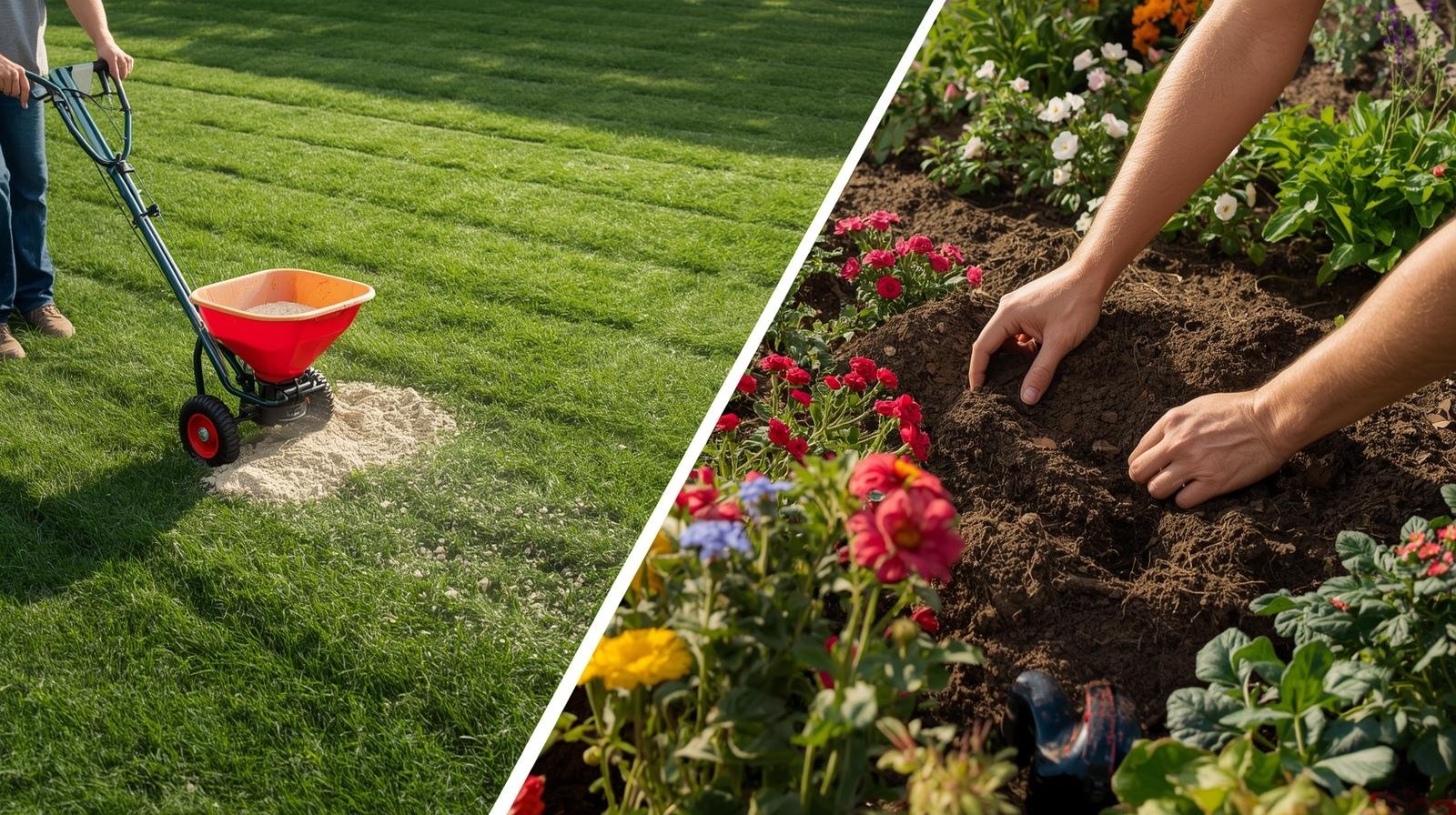

Introduction: Why Proper Fertilization Matters for Lawns and Gardens
Fertilizing your lawn and garden correctly is essential for healthy plant growth. Plants rely on nutrients to develop strong roots, leaves, and flowers. Without proper feeding, soil gradually becomes depleted. Fertilization replenishes essential nutrients naturally. A well-fed garden resists pests and diseases better. Lawns grow thicker and greener with correct fertilization. Timing plays a critical role in effectiveness. Applying fertilizer incorrectly can harm plants. Understanding the process ensures long-term garden success.
Understanding Essential Plant Nutrients
Plants require three main nutrients for growth. Nitrogen supports leafy green growth. Phosphorus strengthens roots and flowering. Potassium improves overall plant health. Secondary nutrients also play important roles. Micronutrients support plant functions. Soil composition affects nutrient availability. Balanced nutrition prevents deficiencies. Understanding nutrients helps choose the right fertilizer. Knowledge improves plant performance significantly.
Difference Between Lawn and Garden Fertilization
Lawns and gardens have different nutritional needs. Grass primarily needs nitrogen for lush growth. Flowering plants require balanced nutrients. Vegetables demand consistent feeding during growth. Overfertilizing lawns causes rapid weak growth. Gardens need tailored feeding schedules. Soil type influences fertilizer choice. Application methods differ for lawns and beds. Understanding differences prevents mistakes.
Best Time to Fertilize Your Lawn
Timing fertilizer applications improves results. Early spring supports new growth. Late spring strengthens grass before summer. Fall fertilization prepares roots for winter. Avoid fertilizing during extreme heat. Cool temperatures improve nutrient absorption. Soil temperature affects effectiveness. Consistent scheduling prevents stress. Proper timing ensures healthier lawns.
How to Fertilize Your Lawn Correctly
Choose fertilizer based on grass type. Spread evenly to avoid burning. Use a calibrated spreader. Water lightly after application. Avoid overlapping passes. Follow recommended application rates. Slow-release fertilizers work best. Monitor lawn response regularly. Correct methods improve lawn appearance.
Best Time to Fertilize Your Garden Plants
Garden fertilization depends on plant type. Early growth stages need more nutrients. Flowering plants benefit before blooming. Vegetables need feeding during fruit development. Avoid fertilizing dormant plants. Morning application works best. Seasonal feeding improves productivity. Consistency ensures steady growth. Timing supports plant health.
How to Fertilize Garden Beds Properly
Work fertilizer into the soil gently. Avoid placing fertilizer directly on stems. Water thoroughly after feeding. Use organic compost for long-term benefits. Liquid fertilizers provide quick nutrition. Slow-release fertilizers offer steady feeding. Avoid excessive application. Observe plant reactions closely. Proper technique prevents damage.
Organic vs Synthetic Fertilizers
Organic fertilizers improve soil structure naturally. They release nutrients slowly. Synthetic fertilizers act quickly. Organic options support beneficial microbes. Synthetic fertilizers offer precise nutrient control. Both have advantages when used properly. Environmental impact differs between types. Choose based on garden goals. Balanced use works best.
Signs Your Lawn Needs Fertilizer
Yellowing grass indicates nutrient deficiency. Slow growth suggests poor soil nutrition. Thin patches signal lack of nitrogen. Weak roots cause lawn damage easily. Pale color shows imbalance. Seasonal decline may indicate feeding needs. Regular observation helps diagnosis. Early action prevents lawn deterioration.
Signs Your Garden Plants Need Fertilizing
Stunted growth indicates nutrient shortage. Yellow leaves suggest nitrogen deficiency. Poor flowering shows phosphorus lack. Weak stems signal imbalance. Reduced fruit size indicates nutrient stress. Leaf discoloration reveals deficiencies. Monitoring plants helps early detection. Timely feeding restores vitality.
Common Fertilization Mistakes to Avoid
Overfertilizing burns plants. Incorrect timing reduces effectiveness. Uneven application causes patchy growth. Using wrong fertilizer damages plants. Ignoring soil tests leads to imbalance. Fertilizing during heat stresses plants. Skipping watering reduces absorption. Avoiding mistakes improves results.
Importance of Soil Testing Before Fertilizing
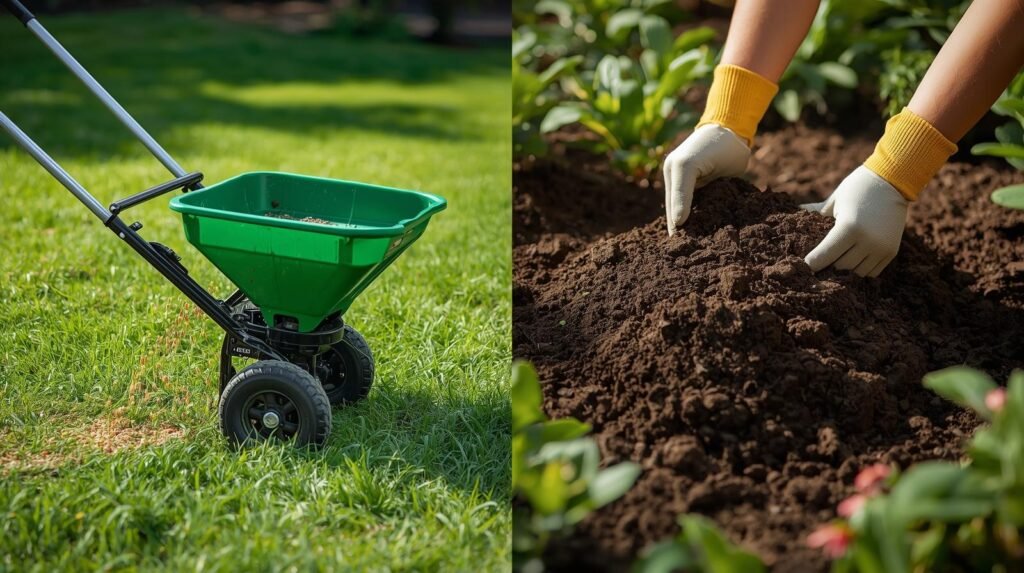
Soil testing reveals nutrient levels. It prevents unnecessary applications. Tests identify pH imbalances. Correct pH improves nutrient uptake. Soil analysis saves money. Testing guides fertilizer selection. Results improve plant health. Regular testing ensures balance.
Seasonal Fertilization Schedule
Spring focuses on growth. Summer maintains plant health. Fall strengthens roots. Winter feeding is minimal. Seasonal adjustments prevent stress. Climate affects scheduling. Consistent routines improve results. Planning ensures efficiency.
Fertilizing Lawns and Gardens Safely
Follow product instructions carefully. Store fertilizers properly. Avoid runoff into water sources. Wear gloves during application. Keep children away from treated areas. Clean tools after use. Safety protects environment. Responsible use matters.
Watering After Fertilization
Water activates nutrients in soil. It prevents fertilizer burn. Deep watering improves absorption. Avoid overwatering. Light watering works for lawns. Gardens benefit from thorough soaking. Moist soil aids nutrient movement. Proper watering enhances results.
Long-Term Benefits of Proper Fertilization
Healthy plants grow stronger. Lawns become thicker and greener. Gardens produce better yields. Soil fertility improves over time. Pest resistance increases naturally. Maintenance becomes easier. Visual appeal improves. Long-term care pays off.
Fertilizing Container Plants and Raised Beds
Containers lose nutrients faster. Frequent feeding is required. Use diluted fertilizers. Raised beds need regular compost. Monitor moisture levels. Avoid salt buildup. Tailored feeding improves success. Containers need special care.
Eco-Friendly Fertilization Practices
Use compost and organic matter. Reduce chemical usage. Prevent fertilizer runoff. Feed plants responsibly. Support soil organisms. Sustainable practices protect ecosystems. Eco-friendly gardens thrive naturally. Responsible gardening matters.
Table: Fertilization Guidelines for Lawns and Gardens
Plant Area
Lawns require nitrogen-rich feeding
Plant Area
Vegetable gardens need balanced nutrients
Plant Area
Flower beds benefit before blooming
Plant Area
Fall fertilization strengthens roots