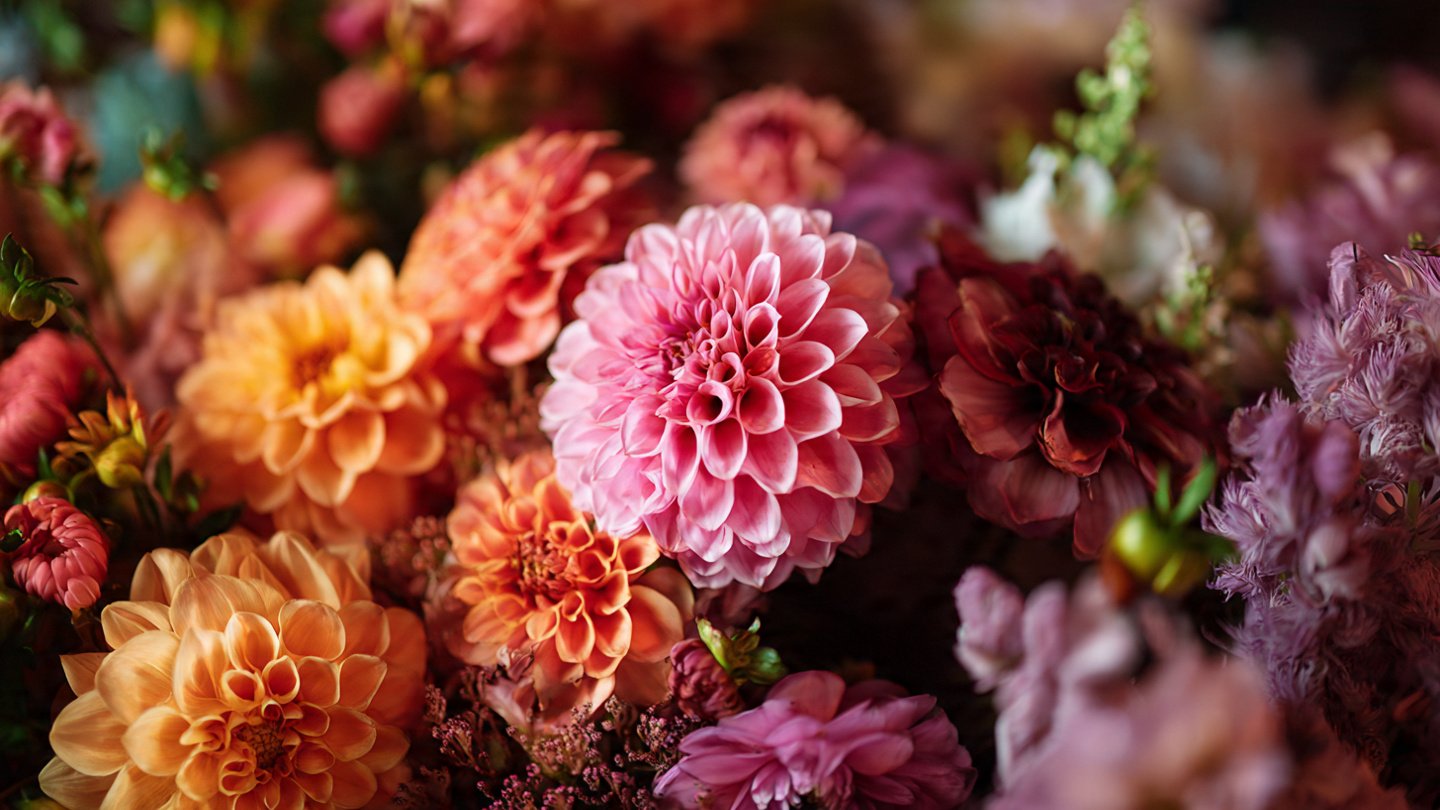

Creating the perfect bouquet is an art that requires careful consideration of many factors, one of the most important being the time of day you choose to gather your flowers. The right timing can significantly impact the freshness, vitality, and longevity of your bouquet. In this article, we will explore the ideal times to gather flowers, the science behind flower gathering, and some tips to ensure you have the freshest blooms possible.
The Science Behind Flower Gathering Timing
Flowers are living organisms that respond to environmental changes throughout the day. Temperature, humidity, and light conditions all play an integral role in a flower’s health and longevity. Understanding these factors can help you choose the best time for gathering blooms.
Generally, flowers tend to be most hydrated and vibrant in the early morning or late afternoon. This is because overnight, temperatures are cooler, and flowers can absorb moisture from the soil, making them fuller and more vibrant. Conversely, during the heat of midday, flowers may begin to wilt or lose their vitality due to increased evaporation.
Ideal Times to Gather Flowers
Based on scientific understanding and practical experience, here are the ideal times to gather flowers:
- Early Morning (6 AM – 9 AM): This is widely regarded as the best time to collect flowers. The air is cool, and the flowers are typically at their fullest with moisture. Additionally, morning dew adds simply revitalizing the blooms.
- Late Afternoon (4 PM – 6 PM): If mornings are not an option, late afternoons can also be a great time. By this time, temperatures are cooler than during midday, and flowers can still retain moisture from the soil.
- Avoid Midday (10 AM – 3 PM): During these hours, the sun’s rays are strongest, and flowers may be less hydrated. In hotter climates, blooms can wilt and lose their appeal rapidly.
Factors Influencing Flower Quality
While timing is crucial, several other factors can influence the quality of your flowers:
- Weather Conditions: Gather flowers on a cloudy day when the sun’s strength is diminished. High temperatures and direct sunlight can stress flowers, causing them to wilt more quickly.
- Type of Flower: Different flowers have unique characteristics. Some flowers, like peonies or roses, can be more sensitive to time and temperature. Researching the types you’re collecting can show when they’re at their best.
- Soil Moisture: If the soil is dry, flowers may not have absorbed enough water. It’s wise to water your garden the night before before harvesting, allowing them to hydrate fully.
Tips for Gathering Flowers
Now that you know the best times to gather flowers, here are some practical tips to ensure the quality and longevity of your bouquet:
- Use Clean Tools: Always use sharp, clean shears or scissors to cut flowers. This minimizes damage to stems and reduces the risk of infection.
- Cut at an Angle: When you cut the flower stems, do so at a 45-degree angle. This allows for better water uptake and minimizes blockage in the stem.
- Transport Carefully: Keep the flowers upright in a vase with water or wet cloth during transport to prevent wilting.
- Remove Leaves: Remove any leaves that would fall below the waterline in your vase, as these can rot and promote bacterial growth.
- Process Flowers Quickly: After gathering, place them in water as soon as possible to maintain hydration.
Creating the Perfect Bouquet
Once you’ve gathered your flowers, the work isn’t quite done. Arranging your bouquet is an art in itself. Consider the following:
- Color Coordination: Think about color harmony as you select your blooms. Complementary colors often create visual interest.
- Variety: A mix of different flowers adds texture and depth to your bouquet. Use varying shapes and sizes for an appealing arrangement.
- Foliage: Don’t forget to include foliage. Greens provide a beautiful backdrop for colorful blooms and help fill out the bouquet.
Conclusion
In conclusion, gathering flowers at the right time of day can dramatically enhance the beauty and longevity of your bouquet. Early morning and late afternoon are ideal for picking flowers, as they ensure blooms are fully hydrated and vibrant. Additionally, considering other factors such as weather conditions and flower types will further improve your results. By following the guidelines and tips outlined above, you can create stunning arrangements that capture the natural beauty of your chosen flowers.
FAQs
What if I can’t gather flowers in the morning or late afternoon?
If morning or late afternoon isn’t possible, try to avoid the peak sun hours of 10 AM to 3 PM. Look for cloudy days as an alternative; this will minimize heat stress on the flowers.
How do I keep my flowers fresh after gathering them?
Immediately place your cut flowers in water and store them in a cool space. Change the water every few days and trim the stems to ensure continued hydration.
Can I mix different types of flowers in one bouquet?
Yes, mixing different types of flowers can create a beautiful and dynamic bouquet. Just ensure that the flowers you choose have similar care requirements for optimal longevity.
Which flowers last the longest once cut?
Some long-lasting flowers include chrysanthemums, alstroemeria, and lilies. These tend to maintain their beauty for a longer period when cut.
Are there any flowers I should avoid gathering during the hottest part of the day?
Yes, delicate blooms such as daisies, peonies, and sweet peas can wilt in high temperatures. It’s best to avoid harvesting them during the hottest hours.