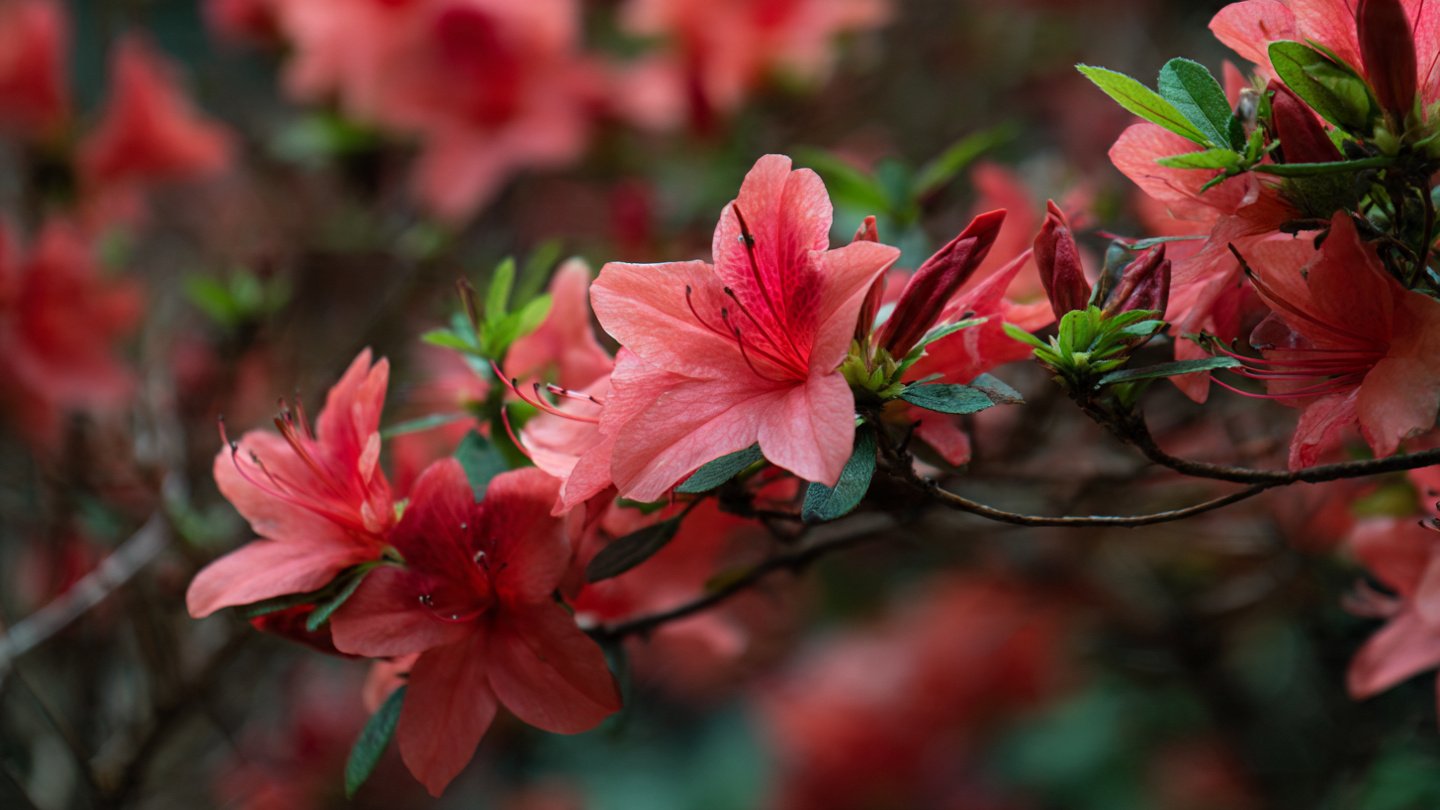

Understanding Azaleas
Azaleas are cherished for their vibrant blooms and lush foliage, making them a popular choice for gardens and landscapes. However, they can sometimes shed their leaves unexpectedly during spring, a concerning phenomenon for gardeners. Understanding the reasons behind this can help you keep your azaleas healthy and thriving.
Common Reasons for Leaf Shedding
Several factors can contribute to azaleas shedding their leaves in spring. Identifying the underlying cause is crucial for taking corrective measures.
1. Natural Leaf Drop
Like many other plants, azaleas undergo a natural process of leaf drop, especially after blooming. New growth pushes older leaves out, leading to leaf drop. This process is typically not a cause for concern and is part of the plant’s life cycle.
2. Environmental Stress
Environmental conditions play a significant role in the health of azaleas. Factors such as temperature fluctuations, lack of sunlight, or sudden changes in humidity can lead to stress, causing leaves to drop. Azaleas thrive in temperate climates with consistent moisture levels. In spring, erratic weather patterns can lead to stress-induced leaf shedding.
3. Watering Issues
Watering practices are critical for the health of azaleas. Both overwatering and underwatering can lead to leaf drop. Azaleas prefer well-drained acidic soil. Overwatering can suffocate roots, leading to root rot, while underwatering can cause wilting and leaf shedding. Signs of watering issues include yellowing leaves and a drop of lower leaves. Checking the soil moisture before watering can help maintain a healthy balance.
4. Nutritional Deficiencies
Azaleas need specific nutrients for optimal growth. A lack of essential nutrients, such as nitrogen, phosphorus, or potassium, can lead to weakened plants and leaf drop. A soil test can help identify nutrient deficiencies, allowing for the right amendments. Fertilization should be approached with caution and according to the needs of the soil.
5. Pest Infestation
Pests, such as aphids or spider mites, can sap the vitality from azaleas. Infestations can lead to leaf damage and drop. Signs of pest problems include discolored foliage and webbing on plants. Regularly inspecting plants and using appropriate pest control methods can help keep azaleas healthy.
6. Diseases
Various diseases can affect azaleas, such as root rot, powdery mildew, or leaf spot disease. These can weaken the plant and lead to premature leaf drop. It’s essential to identify and treat diseases promptly. Using well-draining soil and practicing good garden hygiene can prevent many diseases. If you’re uncertain, consulting with a local extension service or a professional can provide tailored advice.
How to Prevent Leaf Shedding
Taking preventive measures can help maintain the health of your azaleas and reduce the risk of leaf shedding.
1. Proper Watering Practices
Ensure that azaleas receive adequate moisture, especially during dry spells. Check soil moisture regularly and water when the top inch of soil feels dry. However, ensure the roots are not waterlogged to prevent rot.
2. Nutrition
Fertilizing azaleas during the growing season can provide them with the nutrients they need. Choose balanced fertilizers specifically formulated for azaleas and rhododendrons, following the recommended application rates.
3. Pest Management
Regular monitoring for pests can prevent major infestations. Insecticidal soaps and organic pesticides can be used if necessary. Promoting beneficial insects, like ladybugs, can also help manage pest populations naturally.
4. Disease Prevention
Promote good air circulation around your azaleas by spacing them well and removing any debris around the base. This can help reduce humidity levels that favor disease development. Also, ensure you use sterilized tools when pruning and avoid wetting the foliage during watering.
Conclusion
Understanding the causes of leaf shedding in azaleas this spring is essential for maintaining healthy and vibrant plants. By being proactive in ensuring appropriate watering, nutrition, pest management, and disease prevention, you can significantly reduce the occurrence of leaf drop. Observing your azaleas closely and acting promptly can lead to a flourishing garden, making the most of the beauty these plants offer.
FAQs
Q1: Is leaf shedding in azaleas always a sign of a problem?
A1: Not necessarily. Azaleas naturally drop leaves, especially after blooming. However, if leaf drop is excessive or accompanied by other symptoms, it may indicate a problem.
Q2: How often should I water my azaleas?
A2: Watering frequency depends on factors like weather conditions and soil type. Generally, azaleas should be watered when the top inch of soil feels dry.
Q3: What nutrients do azaleas need?
A3: Azaleas require nitrogen, phosphorus, and potassium. Conduct a soil test to determine specific nutrient needs and adjust your fertilization accordingly.
Q4: Can I save an azalea that has dropped many leaves?
A4: Yes, you can revitalize a struggling azalea by addressing underlying issues such as watering, nutrition, and pest control. Give the plant time to recover.
Q5: When is the best time to fertilize azaleas?
A5: The best time to fertilize azaleas is in the spring, just as new growth begins. This timing supports their active growth period.