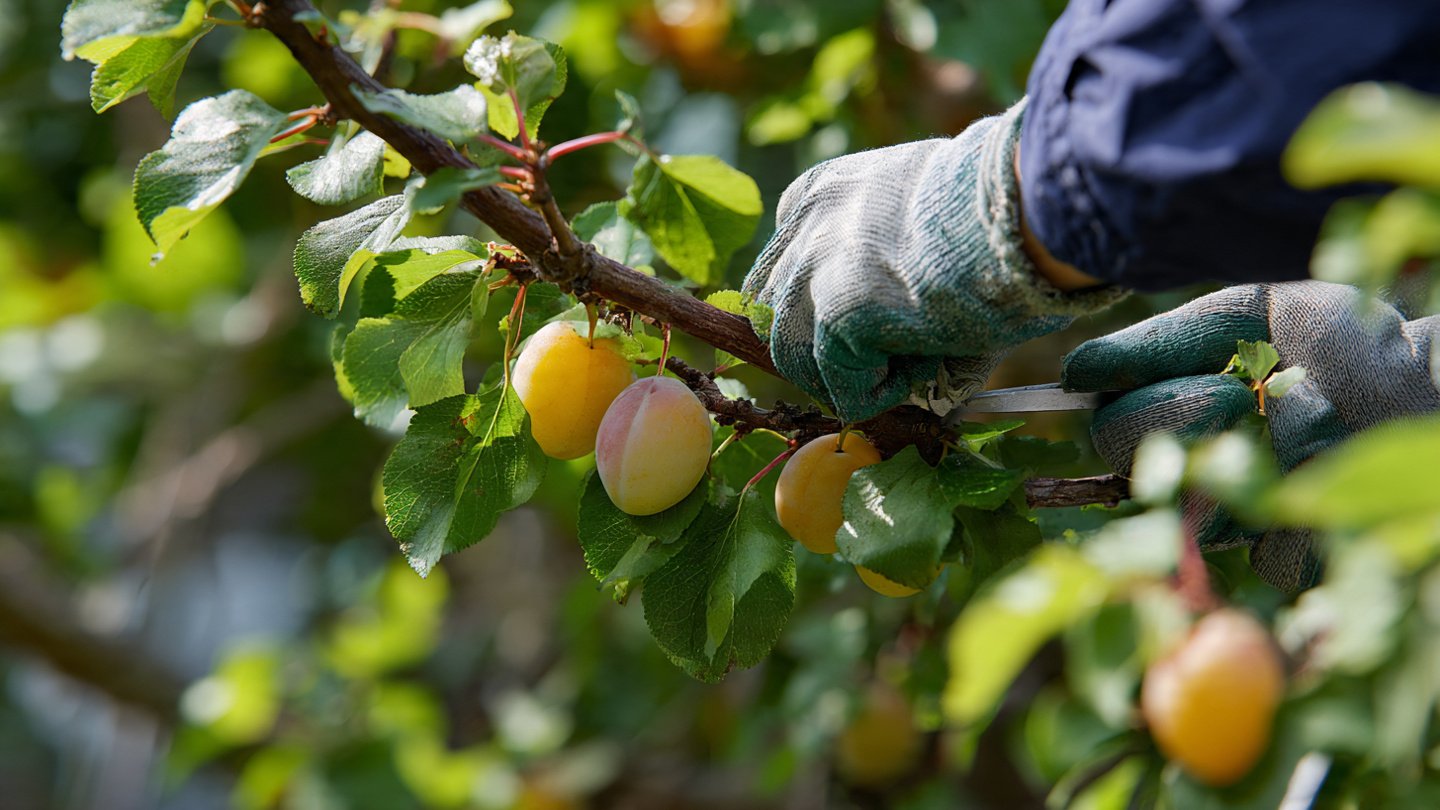

Pruning is an essential horticultural practice that significantly influences the growth, yield, and quality of fruit-bearing plants. While often viewed as merely a method for maintaining shape and controlling plant size, pruning also serves a vital role in optimizing fruit size and overall plant health. Overlooked pruning steps can lead to unforeseen consequences, particularly in terms of fruit size. This article delves into the various aspects of pruning, elucidating the critical steps often ignored and their impact on fruit size.
The Basics of Pruning
Pruning involves the removal of specific plant parts to enhance growth and improve fruit production. In the context of fruit trees, pruning can help manage the tree’s size, shape, and overall productivity. It typically involves:
- Removing Dead or Diseased Wood: To prevent the spread of disease and encourage healthy growth.
- Thinning: To allow better air circulation and light penetration.
- Topping: Cutting back the top of the tree to manage height and encourage lateral growth.
- Training: Guiding branches to grow in specific directions for better sun exposure and ease of harvesting.
While these basic techniques are foundational, cultivating an understanding of more nuanced pruning strategies can lead to significant improvements in fruit size.
Understanding Plant Physiology
Before diving into the overlooked pruning steps, it’s essential to grasp how plants respond to pruning. A fruit tree’s ability to produce fruit is closely tied to its physiological processes: photosynthesis, nutrient uptake, and hormonal balance. When a tree is pruned thoughtfully, these processes can be optimized, leading to larger fruit.
Photosynthesis
Pruning affects the tree’s canopy structure, influencing sunlight exposure. A well-pruned tree allows leaves to capture more light, thereby enhancing photosynthesis and energy production. This energy is vital for developing larger fruit as it provides the necessary resources for fruit maturation.
Nutrient Distribution
When branches are pruned, the plant reallocates nutrients and resources to the remaining branches. This strategic distribution can enhance the size and quality of the fruit on those branches. Neglecting proper pruning can lead to a poorly structured tree, resulting in uneven nutrient distribution and smaller fruit.
Hormonal Responses
Plants communicate through hormones that regulate growth and development. Pruning influences hormone levels, such as auxins and gibberellins, which play crucial roles in fruit size. A well-timed and strategic prune can manipulate these hormone levels, thereby promoting larger fruit growth.
The Overlooked Steps in Pruning
Despite the clear benefits of pruning, certain steps are frequently overlooked, leading to a detrimental impact on fruit size. Below are some of the most commonly neglected aspects:
1. Timing of Pruning
The timing of pruning is critical. Pruning too late in the season can inhibit fruit development, while pruning too early may remove potential fruit buds. For instance, late winter or early spring is typically recommended for many fruit trees, as it allows the tree to focus on growing fruit in the upcoming season. Ignoring this factor can lead to reduced fruit size or even fruit drop altogether.
2. Selective Thinning
Many gardeners fail to practice selective thinning of fruit clusters. When too many fruits develop on a single branch, the tree struggles to provide adequate resources to each piece of fruit. This competition results in smaller fruit size. Thinning out excess fruits not only allows for better resource allocation but also enhances air circulation and light penetration, contributing to larger fruit sizes.
3. Pruning Technique
The technique employed during pruning is just as essential as when to prune. Common mistakes include using dull tools, making irregular cuts, or failing to make proper angled cuts. Each cut should be clean and angled to facilitate healing. Poorly executed cuts can leave the tree vulnerable to disease and reduce overall vigor, which negatively impacts fruit size.
4. Branch Orientation
Often overlooked is the orientation of branches. Pruning to encourage outward-facing branches can optimize light exposure and improve air circulation. Many gardeners neglect to consider how the angle of branches affects sunlight penetration. Outward-facing foliage receives more light, which is critical for photosynthesis and ultimately impacts fruit size.
5. Maintaining an Open Center
Another common mistake is failing to maintain an open center for trees with a central leader. An open center structure allows light to penetrate deeper into the canopy, promoting better fruit size. Without this consideration, inner branches may shade fruits, leading to smaller and less flavorful produce.
6. Failing to Remove Suckers and Water Sprouts
Suckers and water sprouts drain energy from the tree without contributing much to fruit production. Neglecting to remove these young shoots takes away vital resources that could otherwise be directed towards fruit development. Eliminating them ensures the tree focuses on fostering larger, healthier fruits on the remaining branches.
7. Post-Pruning Care
Aftercare is crucial in the pruning process and is often overlooked. Proper watering, mulching, and fertilizing post-pruning can significantly enhance recovery and promote fruit size. Neglecting these aspects can lead to stress on the tree, thereby affecting fruit production and size.
The Role of Variety and Environmental Factors
While pruning plays a crucial role in determining fruit size, it’s essential to recognize the influence of variety and environmental factors. Different fruit species and cultivars respond uniquely to pruning, and understanding these differences can optimize outcomes. Additionally, factors like soil quality, weather conditions, and water availability also play a part in shaping fruit size.
1. Variety Selection
Choosing the right variety is foundational in influencing fruit size. Some fruit types naturally produce larger fruit than others, regardless of the pruning techniques employed. Researching and selecting varieties known for their size and quality can also alleviate reliance on pruning alone for optimal fruit development.
2. Environmental Considerations
Climate conditions affect growth rates, fruit development, and flowering times, thereby influencing fruit size. Adequate sunlight, water, and nutrient availability must align with the pruning strategy to achieve the desired fruit size. Conditions such as drought can counteract the benefits of well-intentioned pruning, leading to smaller fruits.
Conclusion
Understanding and implementing effective pruning techniques can dramatically influence fruit size. By recognizing and addressing the often-overlooked pruning steps—including timing, selective thinning, cutting techniques, branch orientation, maintaining an open center, and post-pruning care—gardeners and orchardists can improve not only the quality of their fruit but also achieve greater yields.
Furthermore, integrating knowledge of plant physiology, variety selection, and environmental factors can create a holistic approach to fruit production. As we cultivate our understanding of the intricate relationship between pruning and fruit size, we can encourage healthier plants and more substantial, delicious fruits. With the right strategies, the joy of harvesting plump, luscious fruit can lead to both personal satisfaction and commercial success in fruit cultivation.
In essence, pruning is not merely a task but an art that demands attention to detail and an understanding of plant science. By prioritizing these overlooked steps, we can reap the rewards of larger and healthier fruit—a goal that resonates with both amateur gardeners and professional growers alike.