
Introduction
As climate change continues to influence our weather patterns, arid landscapes are becoming increasingly common. In these challenging conditions, selecting the right plants for landscaping and ecological restoration is crucial for maintaining biodiversity and ensuring sustainable environments. Among the best choices for such landscapes is the spineless yucca (Yucca gigantea), known for its drought-resilient properties and unique aesthetic appeal.
What is Spineless Yucca?
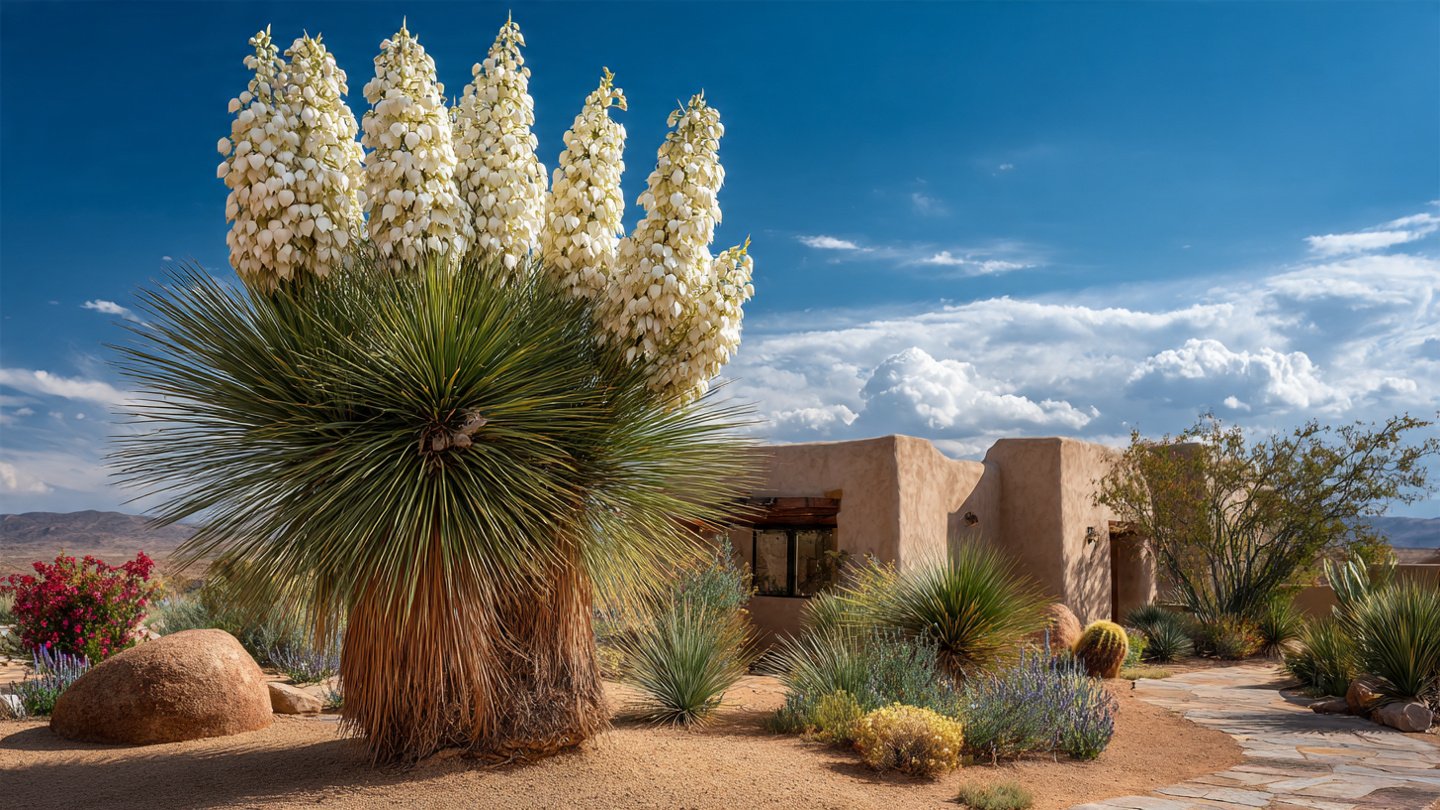
Spineless yucca, or Yucca gigantea, is a perennial succulent native to the southwestern United States and other arid regions. It is characterized by its rosette of sword-like leaves and tall flower spikes that can reach heights of 10-12 feet. Unlike other yucca species, it lacks the spines along its leaves, making it safer for gardens frequented by children and pets.
Why Choose Spineless Yucca?
- Drought Tolerance: Spineless yucca can thrive with minimal water, making it ideal for low-water gardens or xeriscaping.
- Native Beauty: Its striking appearance brings a unique flair to landscapes, adding visual interest year-round.
- Low Maintenance: Once established, this plant requires little care or attention.
- Wildlife Friendly: The flowering spikes attract pollinators like bees and hummingbirds, contributing to local biodiversity.
Understanding Spineless Yucca’s Requirements
Climate and Environment
Spineless yucca thrives in full sun and can endure temperatures ranging from 20°F to 100°F. It prefers well-draining soil but is adaptable to various soil types, including sandy or rocky substrates. While it tolerates drought exceptionally well, it can also manage brief wet periods.
Soil
Quality soil is key to the successful growth of spineless yucca. The plant prefers slightly acidic to alkaline soil (pH 6.0-8.0) with excellent drainage. Avoid heavy clay soils, which can retain moisture and lead to root rot.
Watering
When planting spineless yucca, initial watering is crucial to help establish the roots. After the first few weeks, reduce watering frequency; the goal is to allow the soil to dry out completely between waterings. During prolonged dry periods, occasional deep watering may be beneficial.
Planting Spineless Yucca
Step-by-Step Guide
- Choose the Right Location: Plant spineless yucca in an area with full sun. Ensure it has space to grow and won’t be overshadowed by larger plants.
- Prepare the Soil: Amend the planting area with organic compost to improve soil texture and fertility. Incorporate sand or perlite for better drainage.
- Dig the Hole: Create a hole deep enough for the plant’s root ball. Typically, the hole should be twice the diameter of the root ball.
- Plant the Yucca: Place the yucca in the hole, ensuring it sits at the same depth as in its original container. Fill in with soil and gently pack it to eliminate air pockets.
- Water Thoroughly: After planting, water the yucca to help settle the soil. Follow up with regular checks and water as needed until the plant is established.
Spacing
If planting multiple yucca plants, space them about 3 to 5 feet apart to allow for proper growth and airflow. This spacing helps to prevent fungal issues and allows room for the plants to thrive.
Caring for Spineless Yucca
Fertilization
Spineless yucca doesn’t require frequent fertilization. If desired, apply a balanced, slow-release fertilizer in the spring. Always follow the manufacturer’s instructions, as over-fertilization can harm the plant and the environment.
Pruning
Minimal pruning is necessary for spineless yucca. Trim dead or damaged leaves as needed. If the plant produces flowers, deadhead spent blooms to promote a tidy appearance.
Pest and Disease Management
Spineless yucca is generally resistant to pests and diseases. However, watch for common issues like:
- Mealybugs: These can be easily removed by hand or treated with insecticidal soap.
- Root Rot: This is more common in overly wet conditions; ensure the plant is in well-draining soil.
Propagating Spineless Yucca
Methods of Propagation
- Offsets: The most common method, offsets, or “pups,” can be removed from the base of mature plants. Gently dig them out and plant them in their own pots.
- Seeds: Seeds can be sown in well-draining soil after the risk of frost. Keep the soil moist but not soggy.
Propagation Steps
- Offsets: Wait for pups to reach about a foot tall. Use a sharp knife to cut them away from the parent plant, ensuring some roots are attached. Replant them immediately in well-draining soil and water lightly.
- Seeds: Sow seeds in spring. Gently press them into the soil and keep them warm and moist until they germinate.
Landscaping with Spineless Yucca
Design Ideas
- Xeriscaping: Use spineless yucca to create a low-maintenance, water-efficient landscape. Combine with other drought-tolerant plants such as succulents, cacti, and native grasses.
- Accent Planting: Use spineless yucca as a focal point in garden beds or alongside pathways.
- Containers: For patios or urban settings, spineless yucca can thrive in large containers. Ensure adequate drainage holes to prevent water accumulation.
Companion Plants
Consider pairing spineless yucca with:
- Agave: Another drought-tolerant succulent that complements yucca’s aesthetics.
- Desert Marigold (Baileya multiradiata): Provides color and attracts beneficial insects.
- Red Yucca (Hesperaloe parviflora): A great companion in terms of aesthetics and function, attracting hummingbirds.
Troubleshooting Common Issues
Slow Growth
If your spineless yucca isn’t thriving, consider the following:
- Poor Soil: Check for drainage issues.
- Insufficient Light: Ensure it receives full sunlight.
- Overwatering: Allow the soil to dry completely between waterings.
Leaf Tips Browning
This can indicate underwatering, overwatering, or exposure to cold temperatures. Adjust your care routine accordingly.
FAQs
1. How often should I water my spineless yucca?
Once established, water only when the top few inches of soil are dry. During prolonged drought, water deeply every few weeks.
2. Can spineless yucca grow in partial shade?
While it can tolerate some shade, spineless yucca thrives best in full sun. Limited sunlight may hinder its growth and flowering.
3. How fast does spineless yucca grow?
Growth rates vary, but spineless yucca can grow about 12-24 inches per year once established.
4. Is spineless yucca safe for pets?
Yes, spineless yucca is generally considered non-toxic to pets. However, avoid allowing them to chew on any plant material, as it could cause digestive upset.
5. Can I plant spineless yucca in containers?
Absolutely! Spineless yucca grows well in containers, making it ideal for patios or small gardens. Just ensure proper drainage.
6. What should I do if my spineless yucca flowers?
Allow the flower spikes to bloom for their visual appeal. After blooming, you can trim spent flowers for a tidy appearance.
7. What are the common pests that affect spineless yucca?
Common pests include mealybugs and aphids. Regular checks and treatments with insecticidal soap can prevent infestations.
Conclusion
Growing spineless yucca in arid landscapes is a rewarding endeavor that promotes drought resilience and enhances the beauty of your garden. With its low maintenance needs and aesthetic appeal, spineless yucca is a perfect choice for anyone looking to create sustainable, water-efficient landscapes. By understanding its basic care requirements and potential issues, you can enjoy the numerous benefits this unique succulent offers for years to come.