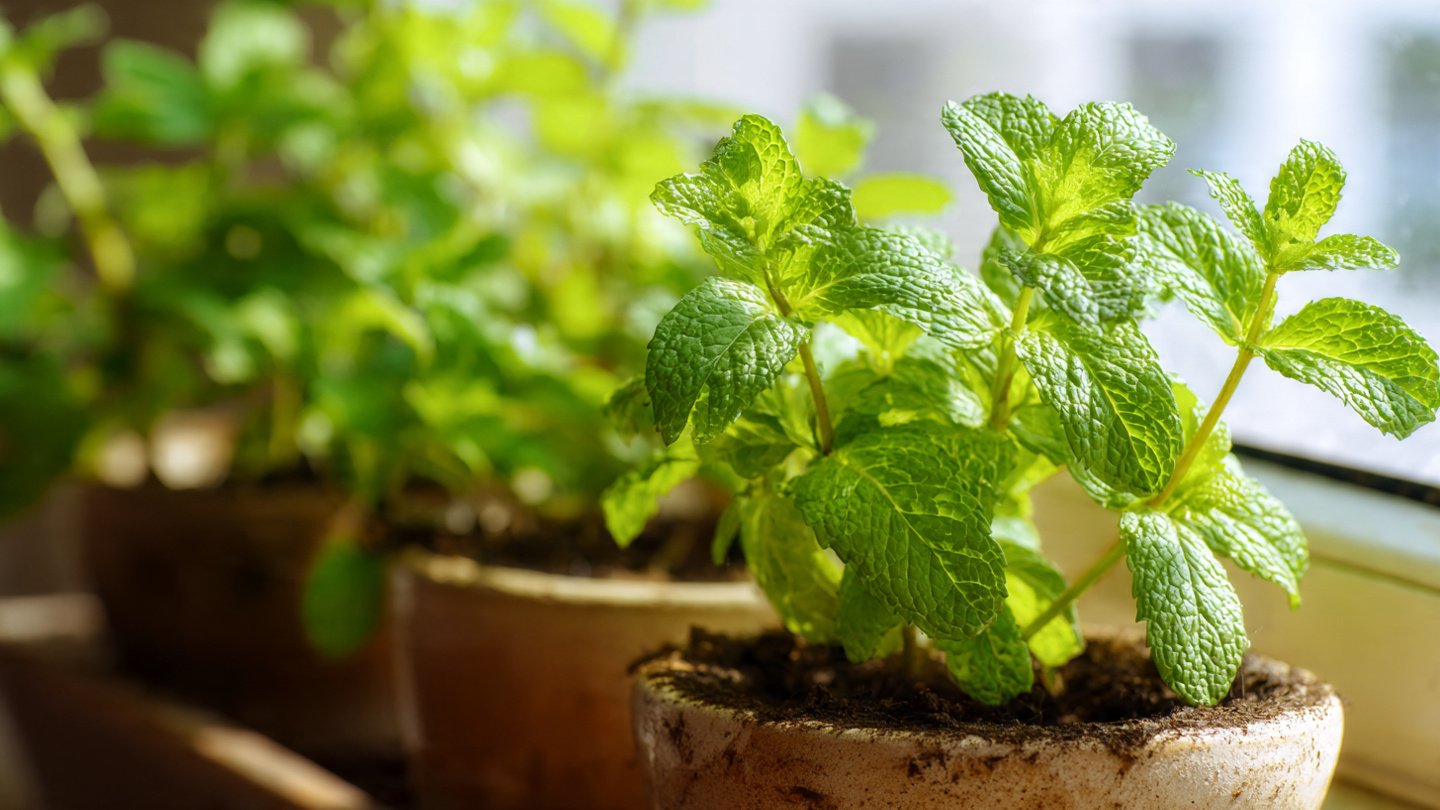

Mint is one of the most popular herbs to grow due to its versatility in culinary applications and its refreshing aroma. Whether you’re adding it to cocktails, salads, or desserts, having fresh mint on hand can elevate your dishes. Plus, growing mint indoors allows you to enjoy fresh herbs year-round, regardless of the season. This guide covers everything you need to know about growing mint indoors, including types, growing conditions, care tips, and frequently asked questions.
Types of Mint
Before you begin your mint-growing journey, it’s essential to know the different types of mint available:
-
Peppermint (Mentha × piperita): A hybrid of watermint and spearmint, peppermint has a strong flavor and is often used in tea and candies.
-
Spearmint (Mentha spicata): Known for its sweet and mild flavor, spearmint is commonly used in cooking and garnishes.
-
Chocolate Mint (Mentha × piperita ‘Chocolate’): This variety has a distinct chocolate aroma and flavor, perfect for desserts and drinks.
-
Apple Mint (Mentha suaveolens): With a fruity scent, apple mint is often used in salads and herbal teas.
-
Pineapple Mint (Mentha suaveolens ‘Variegata’): This variety features yellow-edged leaves and offers a mild, pineapple-like flavor.
Choosing the Right Mint Variety
When selecting a mint variety to grow indoors, consider your culinary preferences. Peppermint is great for teas and desserts, while spearmint complements savory dishes. If you’re feeling adventurous, try growing multiple types to enjoy a variety of flavors.
Growing Conditions
Mint is a hardy herb that thrives under specific conditions. Here’s what you need to know:
Light Requirements
Mint prefers bright, indirect light. A south- or west-facing window is ideal, but too much direct sunlight can scorch the leaves. If natural light is limited, consider using grow lights to provide the necessary illumination.
Temperature
Mint grows best in temperatures between 60°F to 70°F (15°C to 21°C). Avoid placing your mint plants near heating vents or air conditioning units, as extreme temperature fluctuations can stress the plants.
Humidity
Being a moisture-loving plant, mint thrives in higher humidity levels. If your indoor environment is dry, especially in winter, you might want to mist your plants regularly or use a humidity tray.
Soil
Use a well-draining potting mix rich in organic matter. A mixture of potting soil, perlite, and vermiculite works well for promoting drainage while retaining enough moisture.
Pot Selection
Choose pots with drainage holes to prevent waterlogging. Mint has a propensity to spread, so opt for a pot that allows for some root growth; a depth of at least 8 to 10 inches is recommended.
Planting Mint
You can grow mint from seeds, cuttings, or established plants. Let’s explore each option:
Planting from Seeds
-
Seed Sowing: Start seeds indoors about 8 to 10 weeks before the last frost. Sow seeds on the surface of the soil and lightly cover them with a thin layer of soil. Water gently.
-
Germination: Keep the soil moist and at a temperature of about 70°F (21°C) for best germination results.
Planting from Cuttings
-
Taking Cuttings: Cut a healthy stem from a mint plant, making sure it is at least 4 to 6 inches long.
-
Water Propagation: Place the cutting in a glass of water, ensuring that the leaves are above the waterline. Change the water every few days until roots develop (usually within 1-2 weeks).
-
Transplanting: Once the roots are a few inches long, transplant the cutting into a pot with soil.
Planting Established Plants
If you purchase a mint plant from a nursery:
-
Transplanting: Remove the plant from its nursery pot and gently loosen any tightly bound roots.
-
Potting: Place the plant in a larger pot filled with a well-draining potting mix, ensuring the top of the root ball is level with the soil surface.
Caring for Indoor Mint
Once you’ve planted your mint, proper care will ensure healthy growth. Here are essential tips:
Watering
Mint prefers consistently moist soil but dislikes soggy conditions. Water the plant when the top inch of the soil feels dry. Be careful not to let the soil dry out completely.
Fertilizing
Mint can be a heavy feeder, especially during the growing season (spring and summer). Fertilize every 4-6 weeks with a balanced liquid fertilizer diluted to half strength. Reduce feeding during the fall and winter months when the plant’s growth slows down.
Pruning
Regular pruning encourages bushier growth and prevents leggy plants. Snip off the top 1-2 inches of stems, promoting new growth and keeping the plant compact. Remember to use clean, sharp scissors or shears to prevent disease.
Pest Management
While mint is relatively pest-resistant, watch for aphids, spider mites, and whiteflies. If you notice any pests:
-
Natural Remedies: Use insecticidal soap or neem oil to treat infestations.
-
Cleaning: A gentle shower can help wash off pests.
Harvesting Mint
You can start harvesting mint leaves once the plant has established a healthy size—typically 2-3 months after planting. When cutting:
- Use sharp scissors to take the leaves, leaving at least one-third of the plant intact to ensure continuous growth.
- Avoid taking more than one-third of the plant at a time to prevent stressing it.
Common Challenges in Growing Mint Indoors
-
Legginess: If your mint is stretching towards the light, it may not be getting enough. Move it closer to a light source or supplement with grow lights.
-
Dry Leaves: This can result from underwatering or low humidity. Ensure consistent moisture levels and add humidity if necessary.
-
Pest Issues: Keep an eye on pests, especially aphids. Early detection can prevent larger infestations.
-
Root Bound Plants: Mint can become root-bound if left in the same pot for too long. Repot into a larger container as needed.
Best Practices for Year-Round Mint Growth
To ensure that your mint thrives throughout the year:
- Rotate Pots: Occasionally rotate the pot to give all sides of the plant equal access to light.
- Avoid Overcrowding: If planting multiple mint varieties, ensure adequate spacing to promote airflow and reduce disease risk.
- Prune Regularly: Consistent pruning can help maintain growth and manage size.
- Monitor Conditions: Keep a close eye on temperature and light conditions, adjusting as necessary.
FAQs
1. Can I grow mint from store-bought plants?
Yes! Store-bought mint can be successfully transplanted into your pots. Just ensure you acclimate the plant to your indoor conditions and follow proper care.
2. How often should I water my indoor mint?
Water your mint when the top inch of the soil feels dry. Depending on humidity and temperature, this could mean watering once a week or more frequently.
3. Does mint require a lot of light?
Mint prefers bright, indirect light. While it can grow in lower light conditions, it thrives with at least 4-6 hours of indirect sunlight daily.
4. What should I do if my mint is wilting?
Check the soil moisture; wilting can indicate underwatering. If the soil is wet but the plant is still wilting, it may be overwatered or root-bound.
5. Can I grow mint in water only?
While mint can initially root in water, it thrives best in soil. Transplanting to a pot with soil is recommended for long-term growth.
6. How long does mint live?
Mint can live for several years if cared for properly. However, regular pruning and repotting every couple of years are essential to maintain its vigor.
7. Is it safe to consume mint that has been treated with pesticides?
If you’ve used pesticides, ensure they are safe for edible plants and follow the instructions carefully. Always wash your mint before consumption to remove any residues.
Conclusion
Growing mint indoors can be a rewarding endeavor, providing you with fresh herbs all year round. By understanding its needs regarding light, water, humidity, and nutrients, you can cultivate a thriving mint plant that enhances your culinary creations. With proper care and attention, your indoor mint garden will flourish, allowing you to enjoy the refreshing taste of fresh mint in various dishes and beverages whenever you desire. Happy gardening!