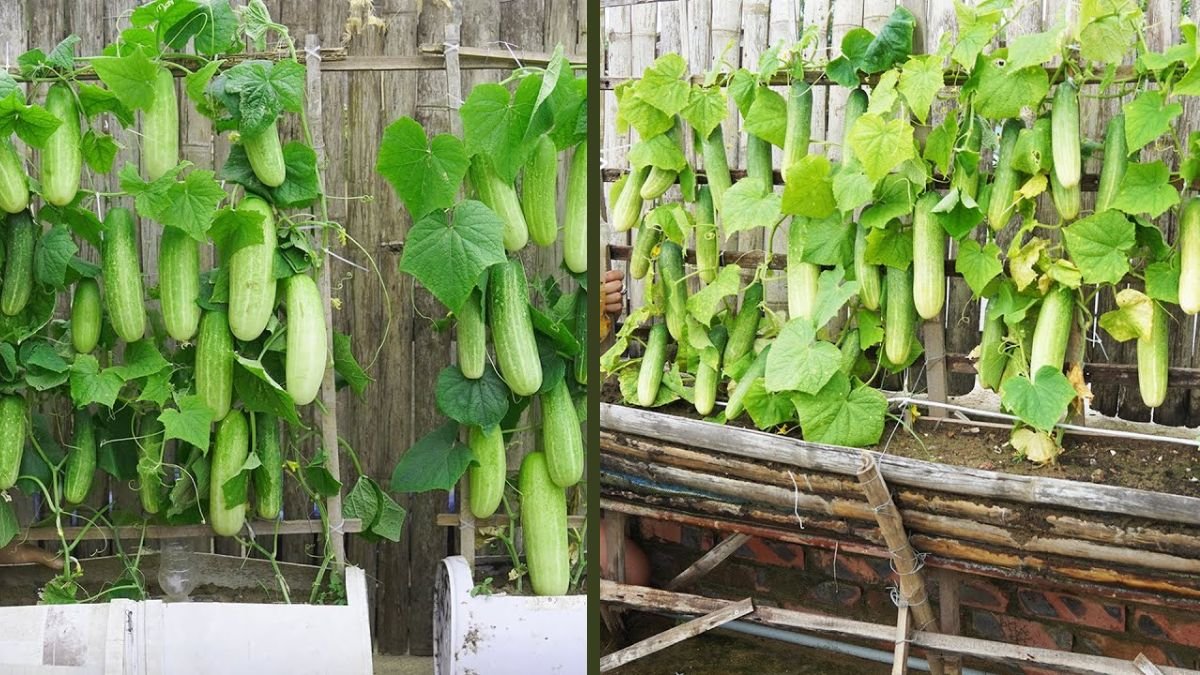

Introduction to Balcony Cucumber Gardening
Cucumber is a refreshing and highly nutritious vegetable. Growing cucumbers on a balcony allows urban gardeners to enjoy fresh produce without a large backyard. Vertical and container gardening techniques make cucumbers ideal for small spaces. With proper care, a balcony can produce multiple fruits per plant. Soil preparation, sunlight exposure, and consistent watering are key to success. This method saves space while maximizing yield. Balcony cucumber gardening is practical, aesthetically pleasing, and rewarding. Even beginners can achieve high yields using simple tools and techniques. With regular monitoring, cucumbers grow quickly and healthily.
Choosing the Right Cucumber Variety
Selecting the right variety is crucial for balcony gardening. Compact bush types and hybrid cucumbers are ideal for containers. Varieties like Marketmore, Poinsett, and Bush Champion thrive in limited space. Disease-resistant hybrids reduce maintenance. Short-stemmed types suit balconies better. Fruit size, color, and flavor depend on variety. Correct choice ensures continuous harvest. Choose seeds adapted to your climate for optimal results. Variety selection is a key step toward heavy yields.
Container Selection and Preparation
Select containers with sufficient depth and drainage holes. Pots, grow bags, or even recycled containers work well. Fill with a mix of garden soil, compost, and cocopeat for fertility. Ensure good aeration for root growth. Avoid shallow containers that limit yield. Containers can be arranged vertically to save space. Proper pot preparation reduces risk of root diseases. Healthy container setup is foundational for balcony cucumber gardening.
Soil Preparation for Maximum Growth
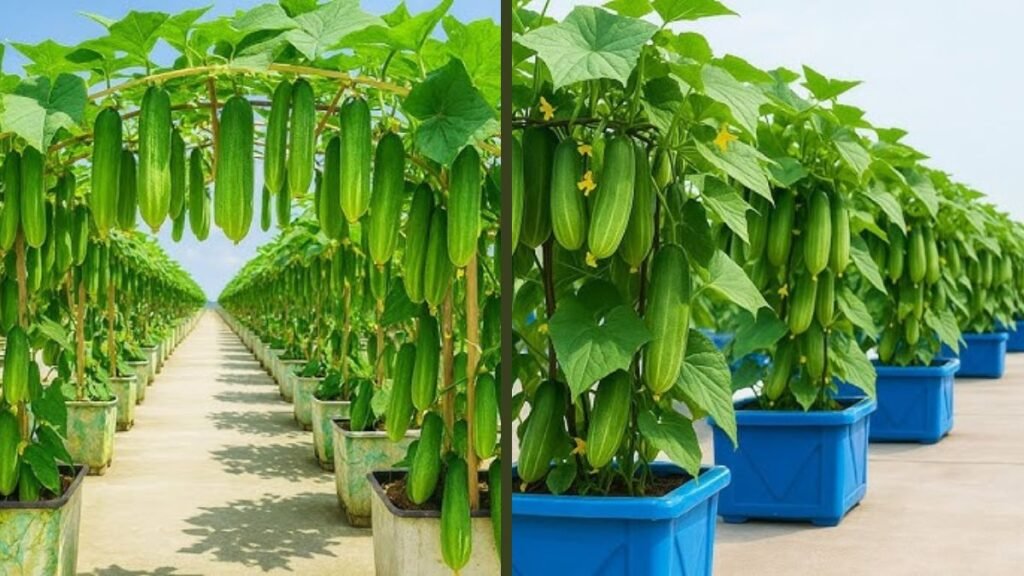
Cucumbers prefer well-drained, fertile soil. Mix organic compost and vermicompost into garden soil. Maintain slightly acidic to neutral pH. Avoid waterlogging to prevent root rot. Loose soil supports deep root systems. Fertile soil enhances flowering and fruiting. Mulching helps retain moisture. Soil preparation directly influences cucumber yield. Healthy soil ensures strong vines and multiple fruits.
Seed Sowing and Germination
Sow seeds 1-2 inches deep in prepared containers. Maintain consistent moisture and warmth. Cover with a transparent plastic lid to retain humidity. Germination occurs in 7-10 days. Thin seedlings to retain the strongest ones. Early care ensures strong roots. Proper germination techniques set the stage for heavy fruiting. Healthy seedlings develop vigorous, productive vines.
Transplanting Seedlings
Transplant seedlings when they have 2-3 true leaves. Harden them gradually by exposing to sunlight. Dig holes in containers and plant seedlings carefully. Space them adequately to prevent overcrowding. Water lightly after transplanting. Healthy transplants adapt faster. Proper planting technique improves fruit set. Balcony gardeners can transplant seedlings into vertical arrangements efficiently.
Sunlight Requirements
Cucumbers require 6-8 hours of sunlight daily. Proper sunlight encourages flowering and fruit development. Insufficient light delays fruiting. Place containers in bright areas on the balcony. Rotate pots to ensure uniform exposure. Sunlight directly affects flavor and growth. Healthy vines need sufficient sun to produce multiple fruits. Optimize balcony orientation for maximum sunlight.
Watering Practices
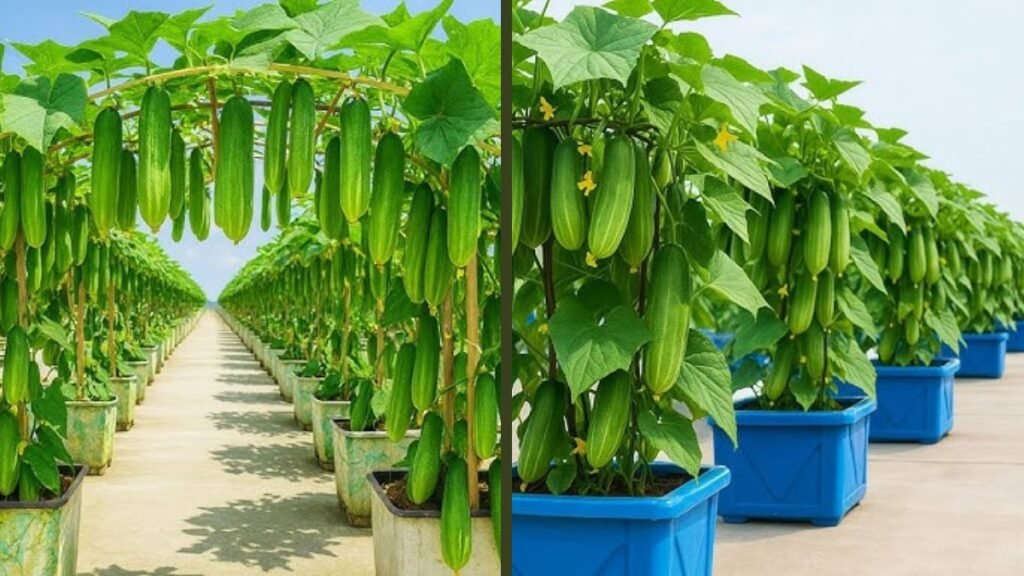
Consistent watering is crucial for balcony cucumbers. Drip irrigation or regular hand watering ensures steady moisture. Avoid overwatering to prevent root rot. Mulch retains soil moisture. Morning watering is recommended to reduce evaporation. Balanced hydration promotes leaf growth and flowering. Water stress reduces fruit set. Proper watering increases overall yield and plant health.
Fertilization Techniques
Cucumbers are heavy feeders. Apply compost, vermicompost, or liquid fertilizers regularly. Feed seedlings lightly before transplanting. Fertilize again during flowering and fruiting stages. Avoid excessive nitrogen that favors leaves over fruits. Potassium-rich fertilizers enhance fruit size. Balanced nutrition ensures multiple fruits per vine. Fertilization directly impacts yield quality and quantity.
Trellis and Vine Support
Use vertical trellises to save balcony space. Train cucumber vines along strings or nets. Vertical growth keeps fruits off the soil and prevents pest damage. Supports improve airflow and sunlight exposure. Proper trellising allows more fruits per vine. Healthy vines develop strong stems and longer fruits. Balcony gardening benefits greatly from vertical growth techniques. Supports maximize limited space efficiency.
Pollination Techniques
Cucumber flowers require pollination for fruit set. Bees naturally pollinate outdoor plants. Hand pollination can increase yield in low-pollinator areas. Identify male and female flowers for effective results. Pollinate early in the morning. Proper pollination ensures continuous fruiting. Healthy flowers produce strong, uniform fruits. Pollination directly affects quantity and quality of harvest.
Pruning and Vine Management
Prune weak or damaged lateral shoots. Remove excess leaves that block sunlight. Controlled pruning focuses energy on main fruits. Vertical vines benefit from training and pruning simultaneously. Pruning reduces fungal infections. Healthy canopy improves airflow. Proper vine management ensures maximum fruiting. Strategic pruning improves both yield and quality.
Pest and Disease Management
Common pests include aphids, whiteflies, and cucumber beetles. Diseases like powdery mildew may affect leaves. Use neem oil or mild organic sprays. Remove infected leaves immediately. Maintain adequate spacing for airflow. Early pest detection prevents fruit loss. Healthy plants resist disease more effectively. Integrated pest management ensures high yield.
Harvesting Techniques
Cucumbers are ready to harvest 50-60 days after planting. Pick fruits when firm, green, and tender. Frequent harvesting encourages new flowering. Avoid overripe fruits to maintain plant productivity. Use scissors to prevent stem damage. Monitor daily for ready-to-pick fruits. Timely harvest ensures maximum yield. Proper handling maintains quality and freshness.
Post-Harvest Handling
Store cucumbers in a cool, shaded area. Avoid stacking to prevent bruising. Wash fruits gently before storage. Maintain moderate humidity. Avoid direct sunlight. Proper handling extends shelf life. Quality preservation ensures fresh produce for consumption. Post-harvest care maximizes the benefits of a balcony cucumber garden.
Growth Monitoring Table
| Factor | Requirement | Benefit |
|---|---|---|
| Soil | Fertile, well-drained | Healthy roots, strong vines |
| Water | Consistent | Continuous flowering |
| Sunlight | 6-8 hours | Multiple fruits, flavor |
| Fertilizer | Balanced NPK | High yield and large fruits |
Innovative Growing Tips
Use black plastic mulch to retain soil moisture. Drip irrigation ensures precise watering. Vertical growth maximizes balcony space. Remove weak flowers to focus energy. Companion planting with basil or marigold reduces pests naturally. Monitor growth daily for optimal results. Combining techniques ensures a high-yield balcony cucumber garden. Innovation increases both quantity and quality.
Container Gardening Benefits
Cucumbers in pots grow well in urban spaces. Large containers or grow bags provide deep soil for root development. Rotate containers for uniform sunlight. Vertical supports allow more plants per square foot. Container gardening reduces pest problems. Portable pots are easy to maintain. Container setups produce abundant fruits. Space optimization is essential for balconies.
Mulching and Soil Moisture
Mulch retains moisture and prevents weeds. Organic mulch improves soil fertility. Proper moisture encourages flowering and fruiting. Soil remains cooler under mulch. Healthy soil produces more fruits per vine. Mulching reduces maintenance and supports plant health. Moisture control maximizes productivity. Mulching is crucial for small-space gardening.
Seasonal Planting
Plant cucumbers in warm seasons. Avoid frost or extreme heat. Rotate crops to maintain soil health. Seasonal planning ensures continuous harvest. Improves fruit quality. Enhances plant productivity. Proper timing optimizes resources. Planning reduces risk of low yield.
Maximizing Fruit Quantity
Thin fruits early to focus nutrients on strong ones. Balanced watering and fertilization support fruit development. Sunlight exposure and trellis support increase productivity. Healthy vines produce multiple fruits per plant. Strategic pruning directs energy to main fruits. Fruit management improves size and quality. Maximum fruiting is achieved with proper care. Multiple harvests become possible in small spaces.
Common Mistakes to Avoid
Overcrowding reduces sunlight and airflow. Irregular watering reduces fruit set. Excess nitrogen favors foliage over fruits. Ignoring trellis or supports damages fruits. Neglecting pests reduces productivity. Correct these mistakes for high yield. Awareness ensures abundant harvests. Proper care guarantees success in balcony gardening.
Final Conclusion
Balcony cucumber gardening is practical and productive. Proper soil, sunlight, water, fertilization, pruning, and pest management ensure multiple fruits per vine. Vertical supports, container gardening, and careful monitoring maximize space efficiency. Even small urban spaces can yield abundant, fresh cucumbers. With consistent care, a balcony becomes a productive, high-yield garden that provides healthy vegetables all season.