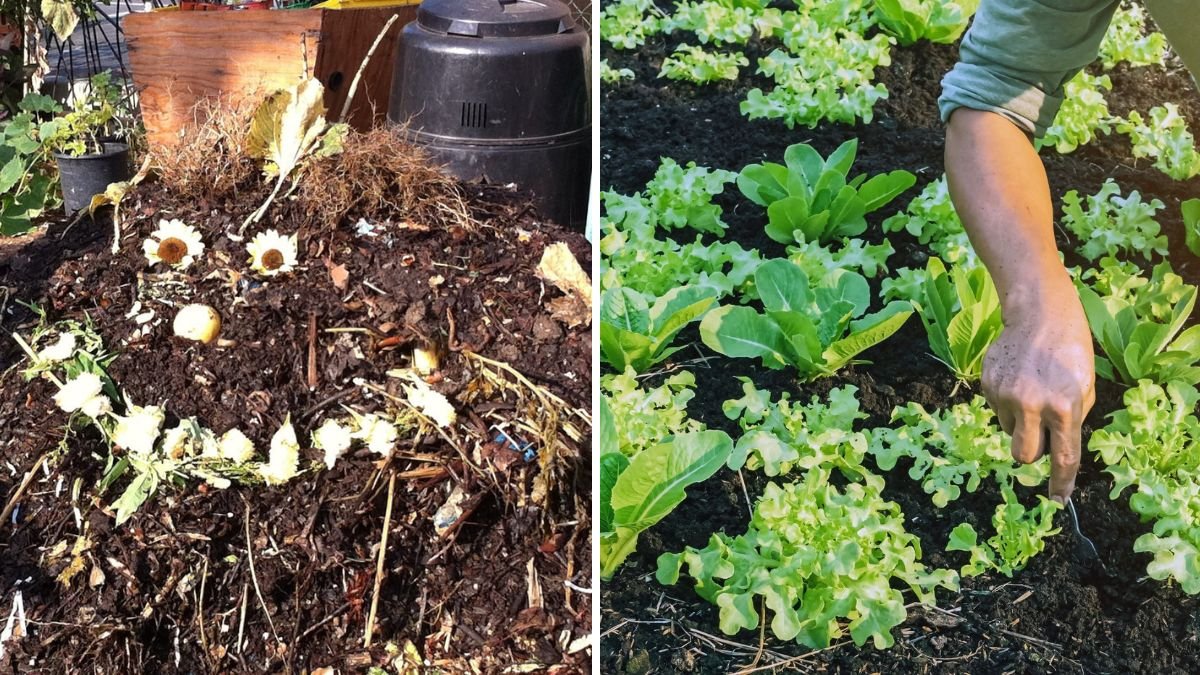

Composting is one of the smartest things any gardener can do. It transforms everyday kitchen waste into a powerful, nutrient-rich fertilizer that boosts soil health, improves plant growth, and reduces household waste. The best part? You don’t need expensive tools or a big garden. With the right method, anyone can make 100% natural compost at home—even in small spaces like balconies, apartments, or small yards.
In this complete 1200-word guide, you’ll learn how to make natural compost using simple household waste, affordable materials, and beginner-friendly methods. Whether you’re a home gardener, terrace gardener, or someone looking to reduce waste, these ideas will help you create organic compost quickly and effectively.
🌿 What Is Natural Compost?
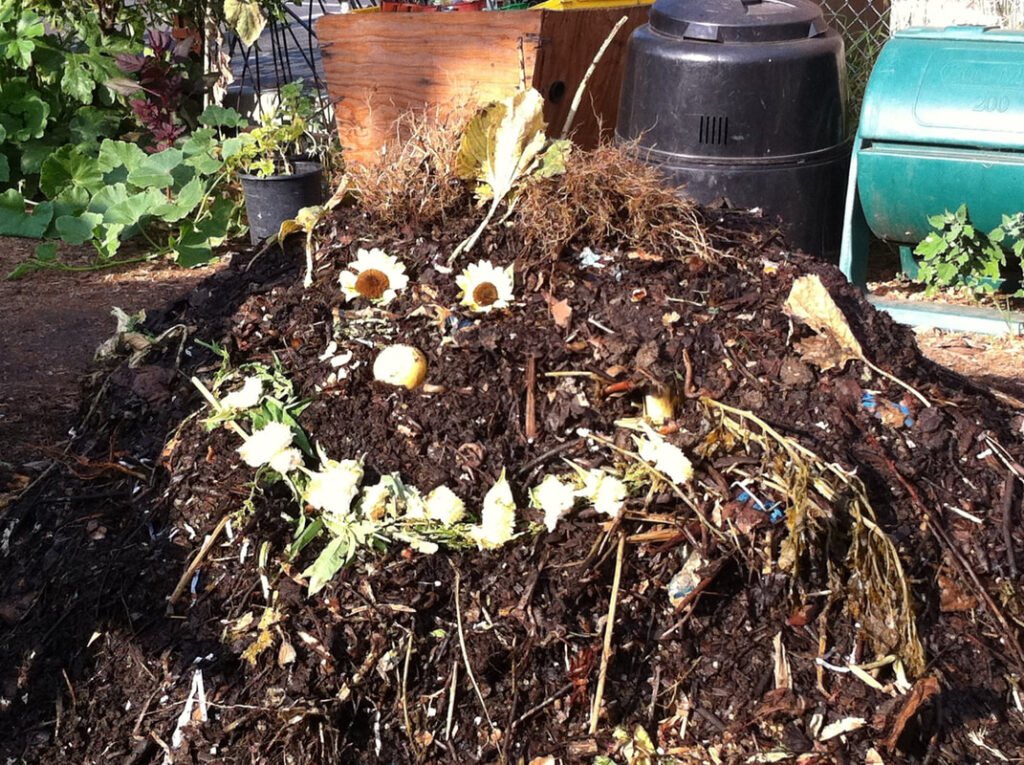
Natural compost is decomposed organic matter made from:
- Vegetable scraps
- Fruit peels
- Garden leaves
- Used tea
- Eggshells
- Farm waste
It naturally breaks down with the help of microorganisms, giving you a nutrient-rich organic fertilizer that improves soil quality, boosts plant immunity, and increases yield.
Why make your own compost?
- 100% natural & chemical-free
- Saves money on fertilizers
- Improves soil fertility
- Reduces kitchen and garden waste
- Eco-friendly
- Easy to prepare at home
🍃 What You Can Use to Make Natural Compost
Green Waste (Nitrogen-rich):
- Vegetable peels
- Fruit scraps
- Grass clippings
- Fresh leaves
- Tea waste
- Coffee grounds
Brown Waste (Carbon-rich):
- Dry leaves
- Coconut fiber
- Newspaper (shredded)
- Cardboard pieces
- Sawdust
- Straw
Other Useful Additions:
- Cow dung (optional)
- Eggshell powder
- Wood ash
- Garden soil
- Neem leaves or powder (natural pest repellent)
Balancing green and brown waste is the secret to fast composting.
🪴 Best Containers for Home Composting
You can make compost in almost any container:
- Old plastic buckets
- Broken tubs
- Clay pots
- Paint buckets
- Drum barrels
- Grow bags
- Waste bins
- Earthen pots
- Wooden crates
Ensure there are holes on the sides and bottom for aeration and drainage.
For balcony gardeners, 20–30L containers work perfectly.
🌱 Step-by-Step: How to Make 100% Natural Compost at Home
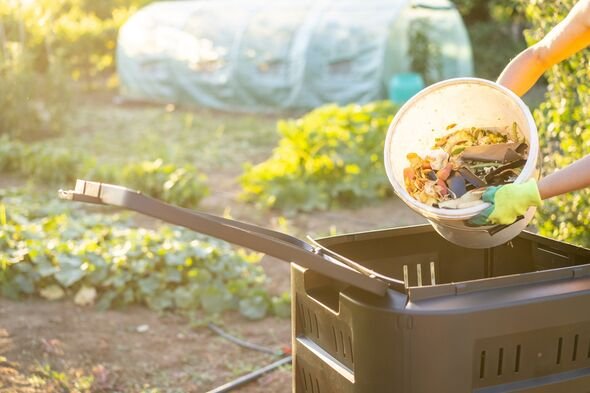
Here’s a simple and effective composting method ideal for beginners:
STEP 1: Prepare the Container
- Clean the bucket or pot
- Make 5–10 holes for airflow
- Place broken tiles or small stones at the bottom for drainage
Place it in a shaded area—sunlight slows decomposition.
STEP 2: Start with a Brown Layer
Add a layer of dry leaves, shredded paper, or cardboard at the bottom.
This prevents smell and improves airflow.
STEP 3: Add Kitchen Waste (Green Layer)
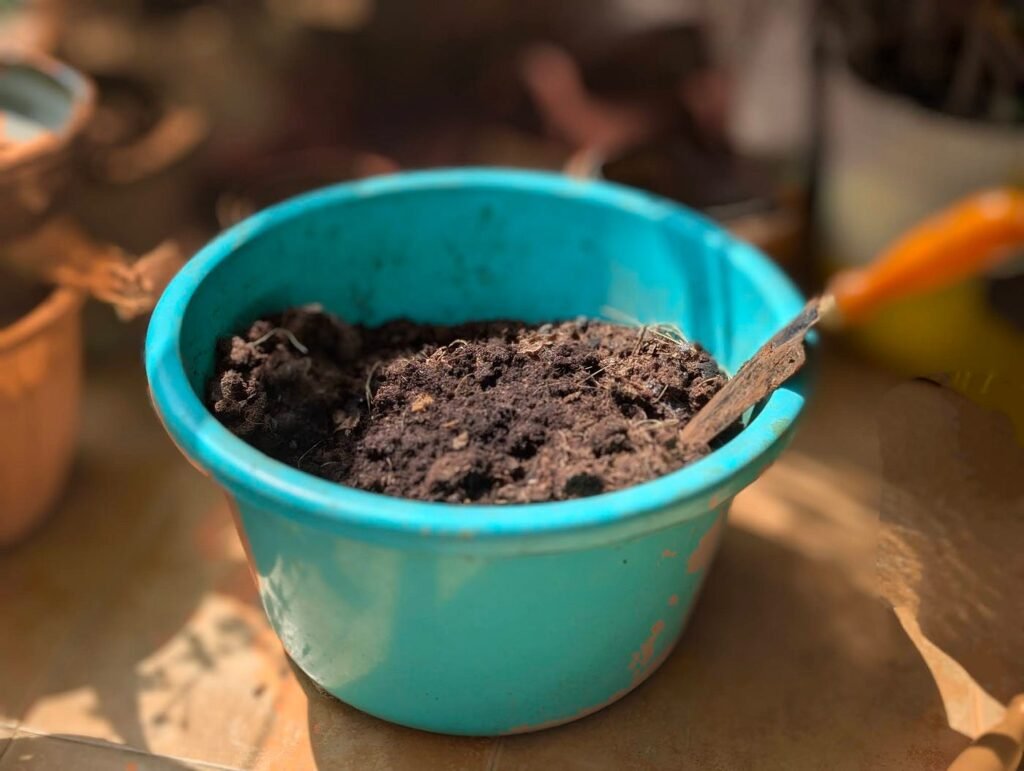
Add fruit and vegetable peels, leftover greens, and tea waste.
Avoid these items:
- Meat
- Dairy
- Oil
- Cooked food
These attract pests and create foul odor.
STEP 4: Add a Brown Layer on Top
Every time you add kitchen waste, cover it completely with dry leaves or cocopeat.
This prevents:
- Flies
- Ants
- Smell
STEP 5: Add Garden Soil
Add 1–2 handfuls of garden soil once a week.
Soil contains bacteria that help decomposition.
STEP 6: Maintain Moisture
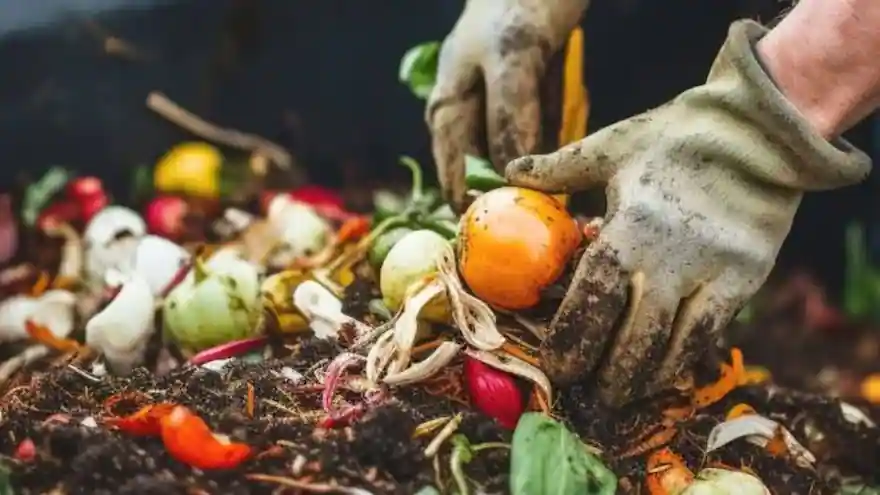
The compost should be:
✔ Moist like a squeezed sponge
✖ Not too dry
✖ Not too wet
If too wet → add dry leaves
If too dry → sprinkle water lightly
STEP 7: Mix the Compost Weekly
Stir the pile every 5–7 days.
This:
- Adds oxygen
- Speeds up decomposition
- Prevents odor
STEP 8: Let It Decompose Naturally
Natural compost takes 30–60 days depending on:
- Waste used
- Season
- Moisture
- Aeration
🌱 When Is Your Compost Ready?
Ready compost looks like:
- Dark brown or black
- Crumbly
- Smells earthy
- No visible food scraps
This compost is now your homemade organic fertilizer ready for plants!
🍂 Fast Composting Tips (Decrease Time by 50%)
Want quicker results? Try these methods:
✔ Chop kitchen waste into smaller pieces
Decomposition becomes faster.
✔ Add cow dung or cow dung slurry
Acts as a natural accelerator.
✔ Use jaggery water
Feed microorganisms → faster breakdown.
✔ Maintain 50% green + 50% brown balance
Perfect for fast composting.
✔ Cover with dry leaves after every addition
Prevents smell & flies.
🌿 Types of Natural Compost You Can Make at Home
1. Dry Compost
The classic composting method using kitchen and garden waste.
2. Wet Compost / Slurry Compost
Mix waste with water and ferment for 7–10 days.
Great for liquid fertilizers.
3. Bokashi Compost (Natural Japanese Method)
Uses bran powder & microbes for super-fast composting.
Perfect for apartments.
4. Leaf Compost
Made only with dry leaves. Excellent for soil structure.
5. Vermicompost
Earthworms convert waste into rich compost.
Suitable for terrace gardeners.
🌱 Natural Pest-Free Composting Ideas
To avoid insects:
- Add neem powder weekly
- Always cover food waste
- Keep moisture controlled
- Use tight lid with small air holes
- Avoid oily and spicy foods
🌿 How to Use Natural Compost in Your Plants
1. Potting Mix Preparation
Add 20–30% compost to the soil.
2. Monthly Plant Feeding
Add 2–3 handfuls around each plant.
3. Liquid Fertilizer
Soak compost in water for 24 hours → compost tea.
4. Mulching
Use unfinished compost on top to retain moisture.
Compost improves soil quality, plant immunity, and flower & fruit production.
🌱 Benefits of Using 100% Natural Compost
✔ Improves soil structure
✔ Increases water retention
✔ Boosts plant immunity
✔ Increases yield
✔ Prevents fungal diseases
✔ Helps beneficial microbes
✔ Reduces need for chemical fertilizers
✔ Eco-friendly and sustainable
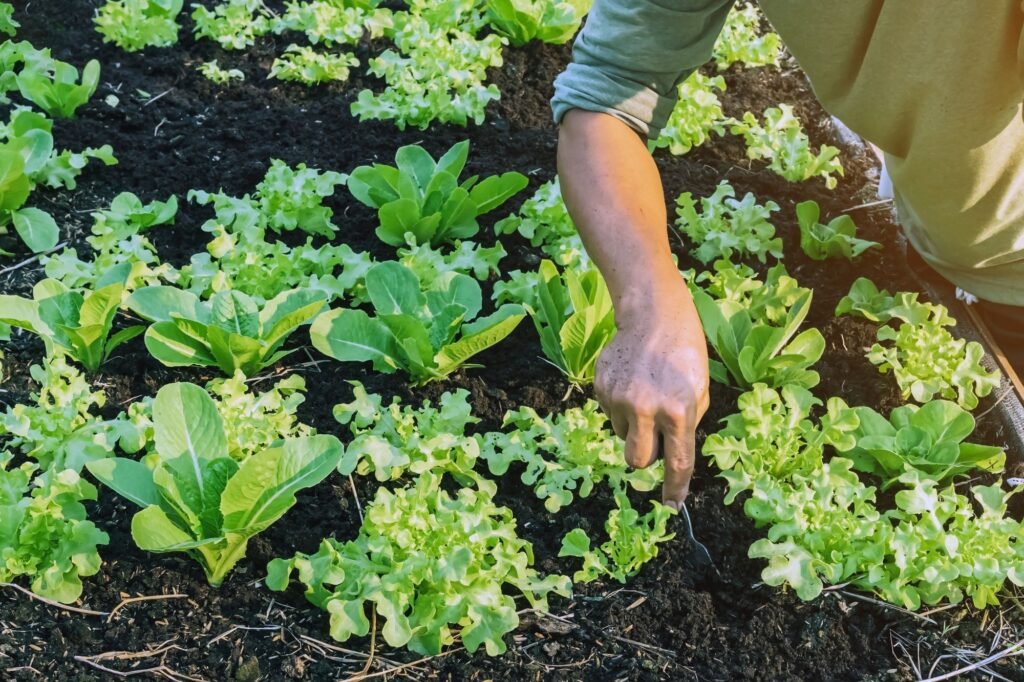
Plants grown in compost-rich soil are healthier, greener, and more productive.
🌿 Advanced Composting Ideas for Home Gardeners
1. Two-Bin System
One bin for fresh waste, another for maturing compost.
2. Trench Composting
Dig a small trench and bury kitchen waste directly.
3. Compost in Grow Bags
Cheap, easy, and space-saving.
4. Balcony Compost Tower
Vertical composting for small spaces.
5. Compost in Rejected Plastic Bottles
DIY mini composters for beginners.
🌎 Eco-Friendly Impact of Composting
By composting at home, you reduce:
- Household garbage by 60%
- Greenhouse gas emissions
- Landfill waste
- Chemical fertilizer use
You create a sustainable ecosystem right at home.
🌱 Final Thoughts: Composting is Simple, Natural & Powerful
Making 100% natural compost at home is not just easy—it is a life-changing habit. You take waste that would normally be thrown away and turn it into black gold for your garden.
With simple steps, homemade compost can:
✔ Transform your soil
✔ Boost your plants
✔ Give you higher yields
✔ Reduce waste
✔ Protect the environment
Whether you’re a beginner or an experienced gardener, natural compost is the key to healthy, thriving plants.