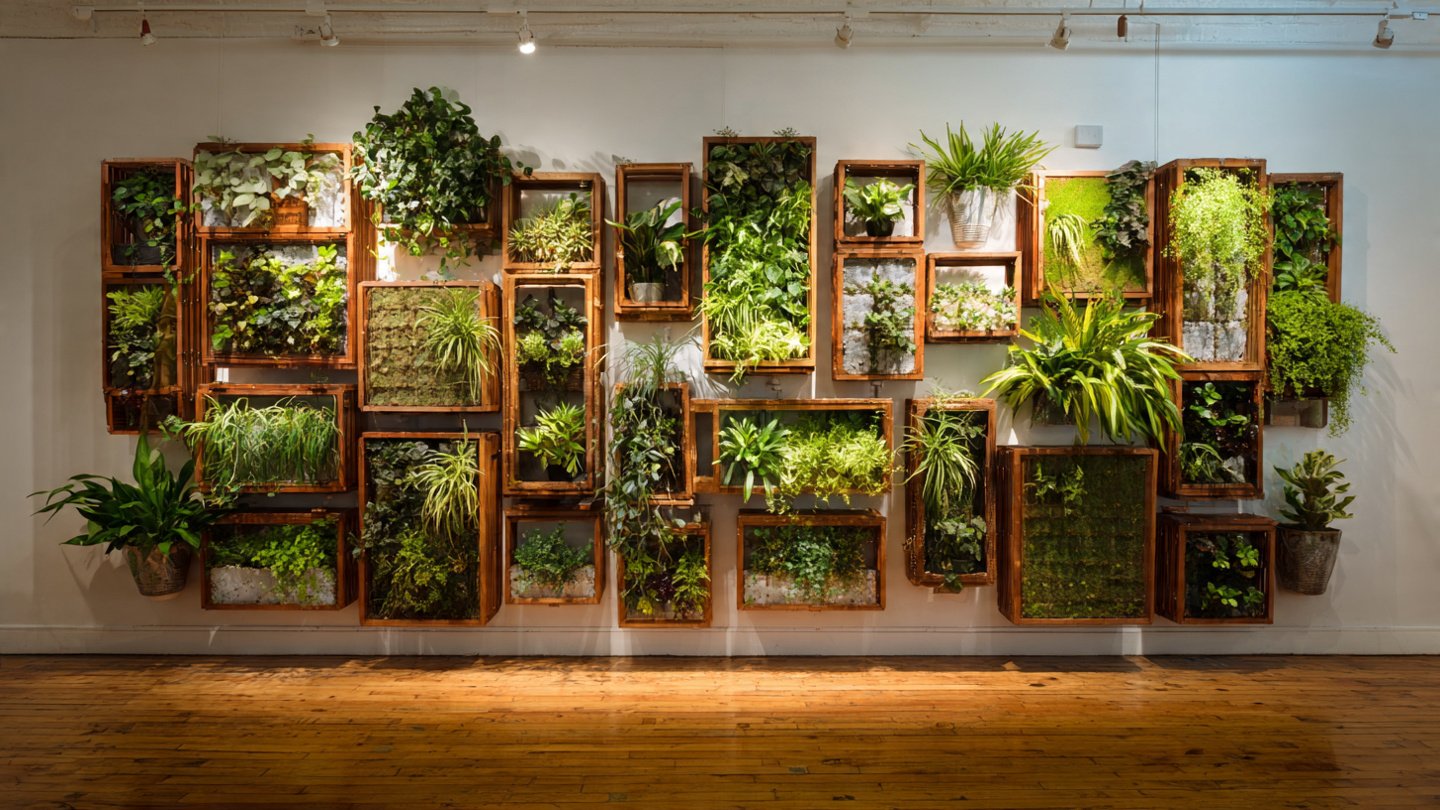

In recent years, the trend of incorporating plants into home decor has gained immense popularity. Living wall art, particularly through the use of propagation stations, is a unique way to bring greenery into your home while adding a personal touch. This article will explore the concept of propagation stations, how to set them up, and their advantages in transforming your space.
What is a Propagation Station?
A propagation station is essentially a setup used for taking plant cuttings and nurturing them until they develop roots, allowing you to create new plants. These stations can range from simple glass bottles to elaborate shelves filled with test tubes, each offering an opportunity for creativity and plant care. The primary purpose of a propagation station is to encourage growth, but when arranged artistically, they also serve as stunning decor pieces.
The Benefits of Using Propagation Stations
Aesthetic Appeal
Propagating plants can be visually striking. The clear containers filled with water showcase the roots as they grow, creating a natural and organic aesthetic. This transparency allows for the beauty of nature to be displayed in your home, functioning as both a plant nurturing tool and an eye-catching art piece.
Improved Air Quality
Plants are known for their ability to improve indoor air quality by filtering pollutants and releasing oxygen. By incorporating propagation stations into your decor, you contribute to a healthier living environment while enhancing the visual appeal of your space.
Cost-Effective Gardening
Propagation can be a cost-effective way to expand your plant collection. Rather than purchasing new plants, you can propagate from existing ones. This process allows you to multiply your greenery at little to no cost, making it an economical hobby.
Educational Value
For families, setting up a propagation station can be an excellent educational experience. Children can learn about plant biology, responsibility, and patience as they watch their cuttings develop roots and eventually grow into new plants.
Customization
Using propagation stations gives you the freedom to design your space in a personalized way. You can choose plants and containers that reflect your style, and arrange them in a way that complements your decor. This creative opportunity makes it easy to change your living environment as trends shift or personal tastes evolve.
Setting Up Your Propagation Station
Choosing the Right Plants
Not all plants are suitable for propagation. Some popular options include:
- Philodendron: Easy to propagate and grows quickly.
- Pothos: Extremely forgiving and thrives in various conditions.
- Spider Plant: Produces “babies” that are perfect for propagation.
- Succulents: Many varieties can be propagated from leaves or offsets.
Selecting Containers
Your choice of container can significantly impact the aesthetic of your propagation station. Consider the following options:
- Glass Jar: A simple, classic choice that allows for full visibility of the roots.
- Test Tubes: Sleek and modern; great for a clean look.
- Hanging Vases: Perfect for creating vertical space and adding depth to your decor.
- Wooden Shelves: Adds a rustic touch; perfect for displaying multiple propagation stations.
Creating an Arrangement
Think of your propagation station as a piece of art. Consider the following tips:
- Height Variation: Use containers of different heights to create visual interest.
- Color Coordination: Select containers that complement your home’s color scheme.
- Use of Lights: Incorporate string lights or spotlights to highlight your station.
- Layering Elements: Combine propagation stations with other decor like books, candles, or art for a dynamic setup.
Maintaining Your Propagation Station
Water Quality
Use filtered or distilled water in your containers to avoid harmful chemicals found in tap water. Change the water regularly to prevent stagnation and algae growth.
Lighting Requirements
Most plants thrive in bright, indirect sunlight. Ensure your station is placed in an area where it receives adequate light but is protected from harsh, direct sun, which can scorch the leaves.
Regular Care
Monitor your cuttings for signs of growth and decay. Remove any yellowing leaves to keep your station healthy. You may also consider fertilizing occasionally with a diluted liquid plant food to promote vigorous growth.
Incorporating Propagation Stations as Living Wall Art
Once your propagation stations are set up, consider integrating them into your wall decor. Here are a few ideas:
Vertical Gardens
Create a vertical garden by mounting several propagation stations on a wall. This not only saves space but also creates a breathtaking living wall that acts as a focal point in the room.
Frames or Shelves
Use shadow boxes or floating shelves to display your propagation stations. This adds structure and elegance, making it easy to switch out plants as they grow or your style changes.
Artistic Arrangements
Combine your propagation stations with artwork. Hang framed art pieces near your propagation displays, or intersperse smaller stations among artwork for a mixed-media approach to decor.
Conclusion
Transforming your space using propagation stations as living wall art is not only a functional way to nurture your love for plants but also a captivating means of personal expression. The combination of creativity, sustainability, and education makes propagation stations a unique addition to any home. Whether you choose to create a simple setup or an elaborate vertical garden, the results are bound to enhance your decor and uplift your living environment.
FAQs
1. How long does it take for plant cuttings to root?
Rooting times vary by plant, but most cuttings can root within 2-6 weeks under optimal conditions.
2. Can I propagate any plant?
Not all plants can be propagated through cuttings. Research specific plants to determine the best propagation method.
3. How do I know if my cutting is healthy?
Look for vibrant leaves and avoid cuttings with yellowing or mushy stems, as these are signs of decay.
4. Do I need special tools for propagation?
Basic tools like scissors or pruning shears, along with containers and water, are typically all you need to start propagating.
5. Can propagation stations be used outdoors?
While some plants can be propagated outdoors, it’s essential to protect them from extreme temperatures and direct sun.