
Introduction: Why Mint And Lemongrass Are Perfect Fast Herbs
Mint and lemongrass are among the fastest-growing herbs for home gardeners. They require minimal care and reward growers quickly. These herbs are widely used in teas, cooking, and home remedies. When grown correctly, they can be harvested within weeks. Many people grow them incorrectly, slowing growth. This guide explains smart techniques for rapid harvest. Both herbs thrive in containers and small spaces. With the right care, they grow continuously.
Understanding Growth Habits Of Mint And Lemongrass
Mint spreads aggressively through runners, while lemongrass grows in clumps. Understanding this helps in planting correctly. Mint prefers partial shade, while lemongrass loves full sun. Both require well-drained soil. Proper spacing allows faster leaf production. Their growth speed depends on moisture and nutrients. Knowing their nature avoids common mistakes. Growth habits guide harvesting strategy.
Choosing The Right Planting Material
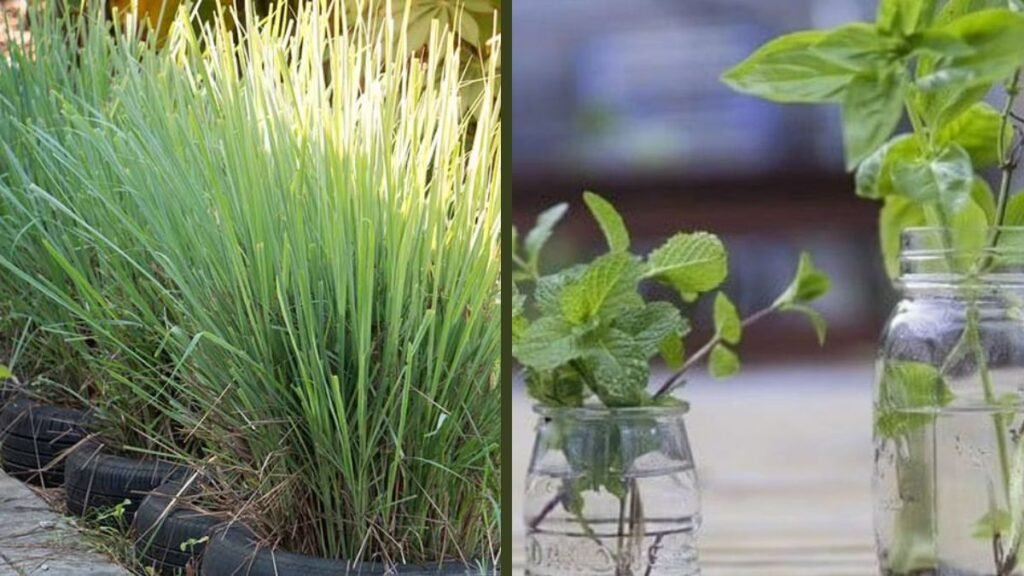
Mint grows best from cuttings rather than seeds. Fresh stems root quickly in water or soil. Lemongrass is best grown from stalk bases bought from markets. Healthy planting material speeds up growth. Avoid weak or dry stems. Fresh starts reduce growing time significantly. This step determines early success. Strong beginnings lead to quick harvests.
Container Selection For Faster Growth
Containers allow better control over growth. Mint should be grown in separate pots to prevent spreading. Lemongrass requires deep containers for root development. Good drainage holes are essential. Clay or plastic pots both work well. Containers warm up faster, boosting growth. Mobility allows sun adjustment. Containers are ideal for quick harvesting.
Soil Mix That Boosts Leaf Production
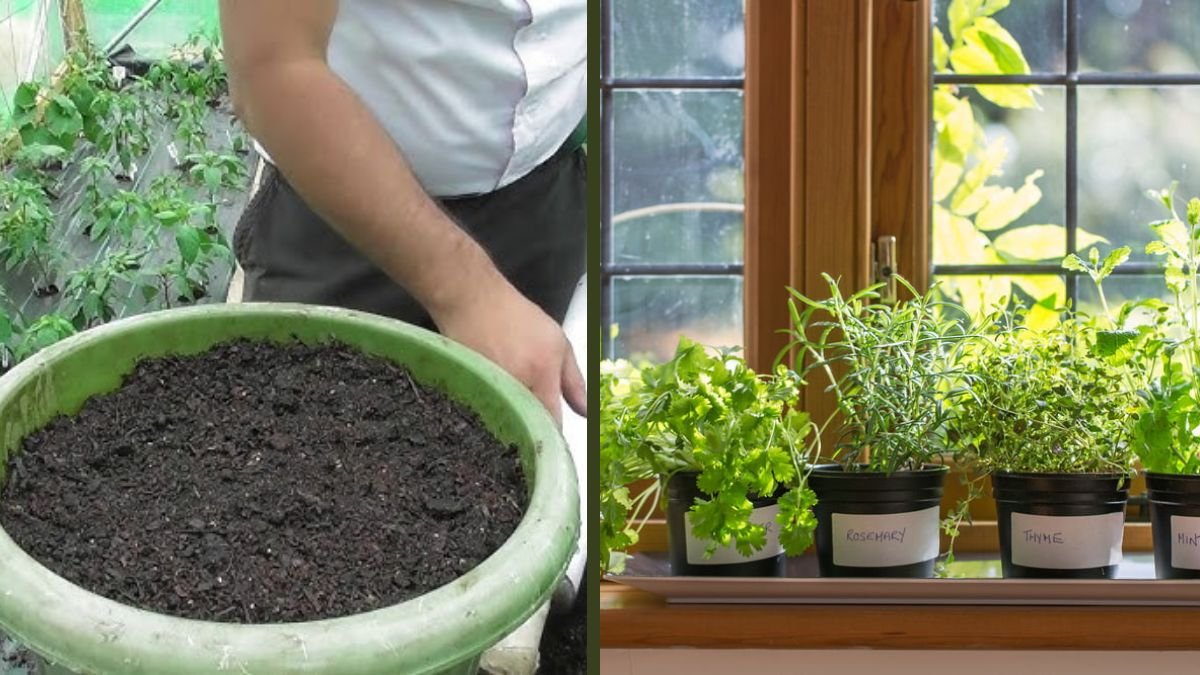
Use loose, nutrient-rich soil for rapid growth. Mix garden soil with compost and coco peat. Avoid heavy clay soil. Mint loves moisture-retaining soil. Lemongrass prefers slightly sandy texture. Organic matter improves leaf size and aroma. Healthy soil leads to faster regrowth. Soil quality directly affects harvest speed.
Sunlight Requirements Explained Simply
Mint grows well in partial sunlight. Too much sun reduces leaf softness. Lemongrass thrives in full sunlight for thick stalks. Place pots accordingly. Proper light increases essential oil production. Insufficient light slows growth. Balanced sunlight improves flavor. Understanding light needs maximizes output.
Watering Schedule For Quick Harvest
Mint requires frequent watering but hates waterlogging. Lemongrass needs deep watering less frequently. Morning watering works best. Consistent moisture encourages tender leaves. Dry stress slows growth. Avoid overwatering to prevent root rot. Balanced watering keeps plants actively growing. Watering discipline ensures continuous harvest.
Natural Fertilizers For Rapid Growth
Use liquid compost tea every ten days. Banana peel water boosts potassium. Cow dung slurry supports leaf growth. Avoid chemical fertilizers. Organic feeding improves aroma and safety. Overfeeding causes weak growth. Gentle nutrition works best. Natural fertilizers accelerate harvest cycles.
Harvesting Technique That Promotes Regrowth
Never harvest all leaves at once. Cut mint stems above leaf nodes. Harvest lemongrass outer stalks only. Regular harvesting encourages new shoots. Gentle harvesting extends plant life. Proper cutting increases yield over time. Incorrect harvesting slows regrowth. Harvest smartly for continuous supply.
Table: Fast Harvest Tips For Mint And Lemongrass
Tip Name
Growing mint from cuttings speeds establishment
Using market lemongrass stalks saves time
Frequent light feeding increases leaf growth
Partial harvesting encourages continuous regrowth
Proper sunlight improves aroma and size
Pest Prevention Without Chemicals
Mint and lemongrass naturally repel many pests. Strong aroma keeps insects away. Neem oil spray controls occasional aphids. Clean leaves regularly. Avoid overcrowding. Healthy plants resist pests easily. Chemical sprays are unnecessary. Natural care keeps herbs edible.
Common Mistakes Slowing Growth
Planting mint in open ground causes uncontrolled spread. Overwatering leads to root rot. Ignoring sunlight needs reduces growth. Harvesting incorrectly damages plants. Poor soil slows development. Avoiding these mistakes ensures quick harvest. Simple awareness improves results greatly.
Growing Both Herbs Together: Is It Possible
They can be grown together in large containers. Ensure enough space for lemongrass roots. Mint should be restricted to one side. Combined planting saves space. Both benefit from organic feeding. Growth remains healthy if managed. This method suits balconies well.
Seasonal Care For Continuous Harvest
Mint grows best in mild temperatures. Lemongrass loves warm seasons. Protect plants during extreme cold. Reduce watering in winter. Seasonal care extends plant life. Adjust feeding based on growth. Understanding seasons ensures year-round harvest.
Benefits Of Home-Grown Mint And Lemongrass
Home-grown herbs are fresher and more aromatic. They are free from chemicals. Regular harvesting saves money. They improve cooking and health drinks. Gardening also reduces stress. These herbs are multi-purpose plants. Growing them is highly rewarding.
Why These Tips Guarantee Quick Results
These tips focus on plant behavior and needs. They eliminate growth stress. Organic methods strengthen plants. Proper harvesting encourages regrowth. Time to harvest reduces drastically. Beginners achieve success easily. These techniques are proven and practical.
Final Thoughts On Fast Herb Gardening
Mint and lemongrass are perfect for quick gardening success. With minimal effort, they provide continuous harvests. Proper care multiplies growth speed. These herbs suit all spaces and skill levels. Once established, they grow endlessly. This guide helps you harvest faster and better. Start today and enjoy fresh herbs daily.