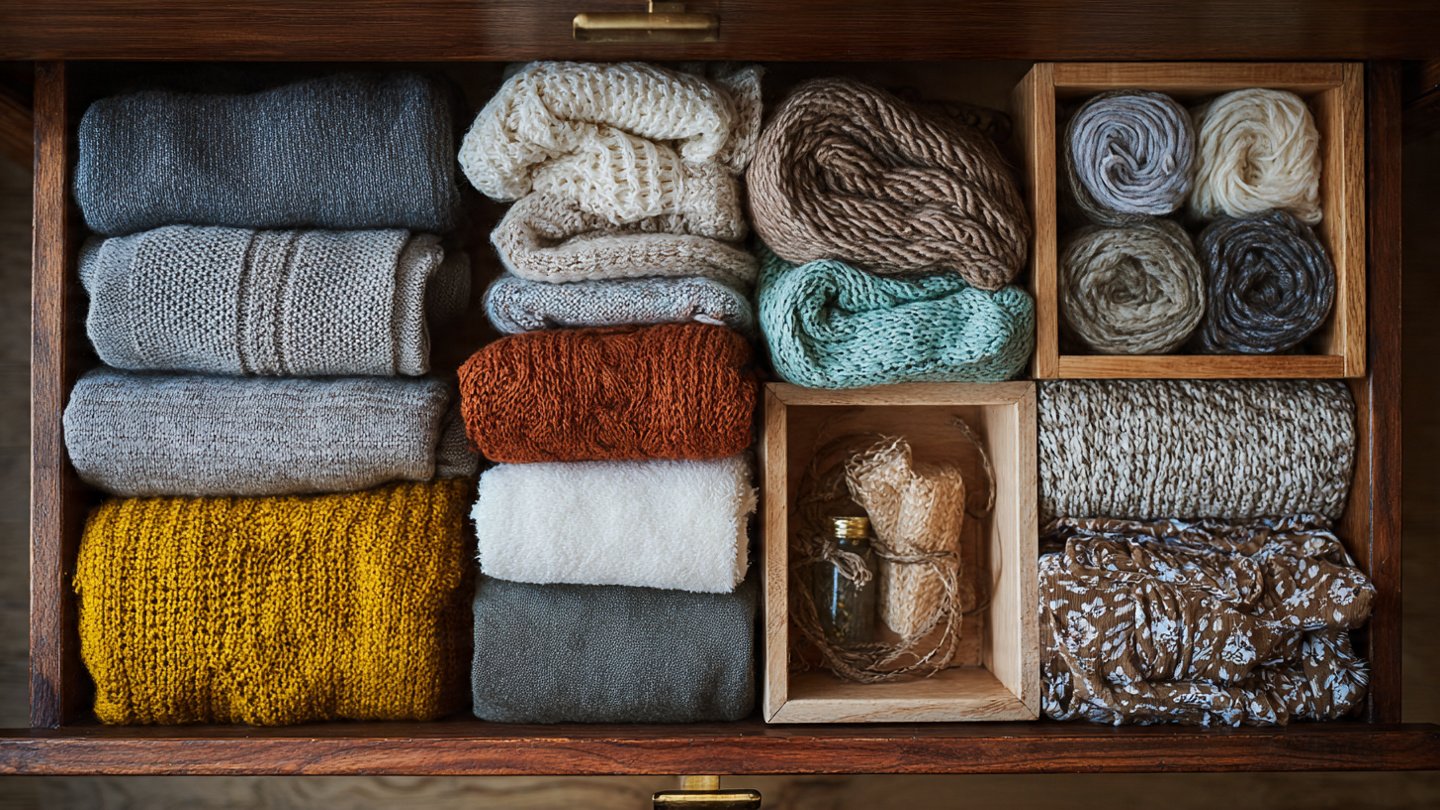

Keeping your home tidy and organized is more than just a chore; it reflects a mindset that values peace, productivity, and sustainability. While many think of tidiness as simply a matter of putting things away, the underlying principles of organization can significantly influence your quality of life. In this article, we’ll explore the unseen principles behind maintaining a tidy home and how these concepts can lead to not only a more beautiful space but also a more productive and fulfilling life.
1. Understanding the Psychology of Clutter
Clutter isn’t just an eyesore; it has emotional ramifications. According to numerous psychological studies, living in a cluttered environment can lead to increased levels of stress and anxiety. It’s essential to understand that having too much stuff not only consumes space but also cognitive bandwidth—making it harder to think clearly and focus on the tasks at hand.
To combat this, the first principle of keeping a tidy home is acknowledging the emotional connection to your belongings. Take the time to evaluate why you own certain items. Do they serve a purpose? Do they bring you joy? This mindset can help you determine what to keep and what to discard.
2. The One-In, One-Out Rule
A practical way to manage clutter is through the one-in, one-out rule. It’s simple: for every new item you bring into your home, another should leave. This principle encourages mindful purchasing and helps maintain a balanced quantity of belongings.
This rule applies not just to items like clothing or gadgets but also to commitments. Overcommitting can lead to a cluttered schedule, leaving you feeling overwhelmed. Evaluating what you truly want and need is the cornerstone of a more organized lifestyle.
3. Establishing Functional Zones
Zoning is a technique employed by professional organizers that involves designating specific areas in your home for various activities. For example, your kitchen can be divided into cooking, eating, and cleaning zones. Having functional zones creates a natural flow and makes it easier to maintain organization.
When everything has its place, it’s easier to put things back where they belong, thus reducing clutter. Designate areas for mail, coats, and shoes near the entrance to ensure that they don’t migrate to other rooms.
4. The Power of Frequency
Another unseen principle lies in frequency. Consider how often you use items. If something hasn’t been touched in the last six months, it’s probably time to let it go. This method, known as the six-month rule, encourages you to assess the utility of belongings meaningfully.
Consistency is key; make it a habit to review items regularly. Regular purging can keep clutter at bay and reduce the stress that arises from being surrounded by unused possessions.
5. Creating Habits and Routines
Habit formation is crucial for maintaining an organized home. Small, consistent actions can lead to significant results over time. Setting aside 10-15 minutes a day for tidying up can make a world of difference.
Establishing routines—like decluttering for a few minutes before bedtime or tidying up after meals—creates a cycle of cleanliness. It’s far less daunting to dedicate a small amount of time daily than to face a daunting mess at the end of the week.
6. Embracing Minimalism
Minimalism isn’t just about owning fewer things; it’s a lifestyle that emphasizes simplicity and intentionality. The practice encourages you to focus on what truly matters—whether that’s experiences, relationships, or personal growth.
By embracing minimalism, you cultivate an environment that is conducive to peace and clarity. Start small; curate your belongings and intentionally choose what fills your space. The less you have, the easier it is to tidy and maintain order.
7. Utilizing Storage Solutions Wisely
Efficiency is another principle that should guide your organization efforts. Proper storage can minimize clutter and streamline your space. Invest in functional storage solutions like baskets, bins, and shelves that help categorize your items.
Vertical storage is particularly effective in small homes, making the most of the available space. Clear containers allow you to see what you have, while labels can expedite the retrieval process. As you incorporate effective storage solutions, tidying up will become quicker and easier.
8. The Importance of Regular Reviews
Clutter tends to creep back in if left unchecked. To keep your space organized, schedule regular reviews—quarterly or biannually—to evaluate the items in your home. This is a good time to apply the one-in, one-out rule and unclutter spaces before they become overwhelming.
Incorporate this review into your routine to ensure it becomes a seamless part of your life. Consistent evaluation not only keeps your environment tidy but also reinforces minimalism and intentionality.
Conclusion
Keeping your home tidy and organized goes beyond aesthetic appeal; it fosters mental clarity and emotional well-being. By understanding the psychological aspects of clutter, employing effective strategies like the one-in, one-out rule, and establishing functional zones, you set the stage for a more organized and enjoyable life.
Incorporating these unseen principles into your daily routine can transform the way you interact with your environment. Embrace the journey of maintaining a tidy home—it offers not just a beautiful space but also a more enriching lifestyle. Remember, organization is not a destination; it’s a continual process that evolves with your life.
FAQs
1. How can I start decluttering my home?
Begin with one room or area and set a timer for 15-20 minutes. Start by sorting items into categories: keep, donate, and discard. Gradually work through your home, addressing one zone at a time.
2. What should I do with items I no longer need?
You can donate them to charities, sell them online, or recycle if possible. The goal is to ensure that they don’t linger in your home.
3. How often should I review the items in my home?
It’s a good idea to schedule reviews at least twice a year. However, if you notice clutter building up in specific areas, don’t hesitate to tackle it sooner.
4. Is minimalism the same as living without any belongings?
No, minimalism is about making deliberate choices about what to keep in your life. It emphasizes valuing experiences and relationships over accumulating excess items.
5. What are some quick tips for keeping my home tidy?
Incorporate small daily habits like making your bed, putting items back after using them, and scheduling a tidy-up time each day or week to maintain order.