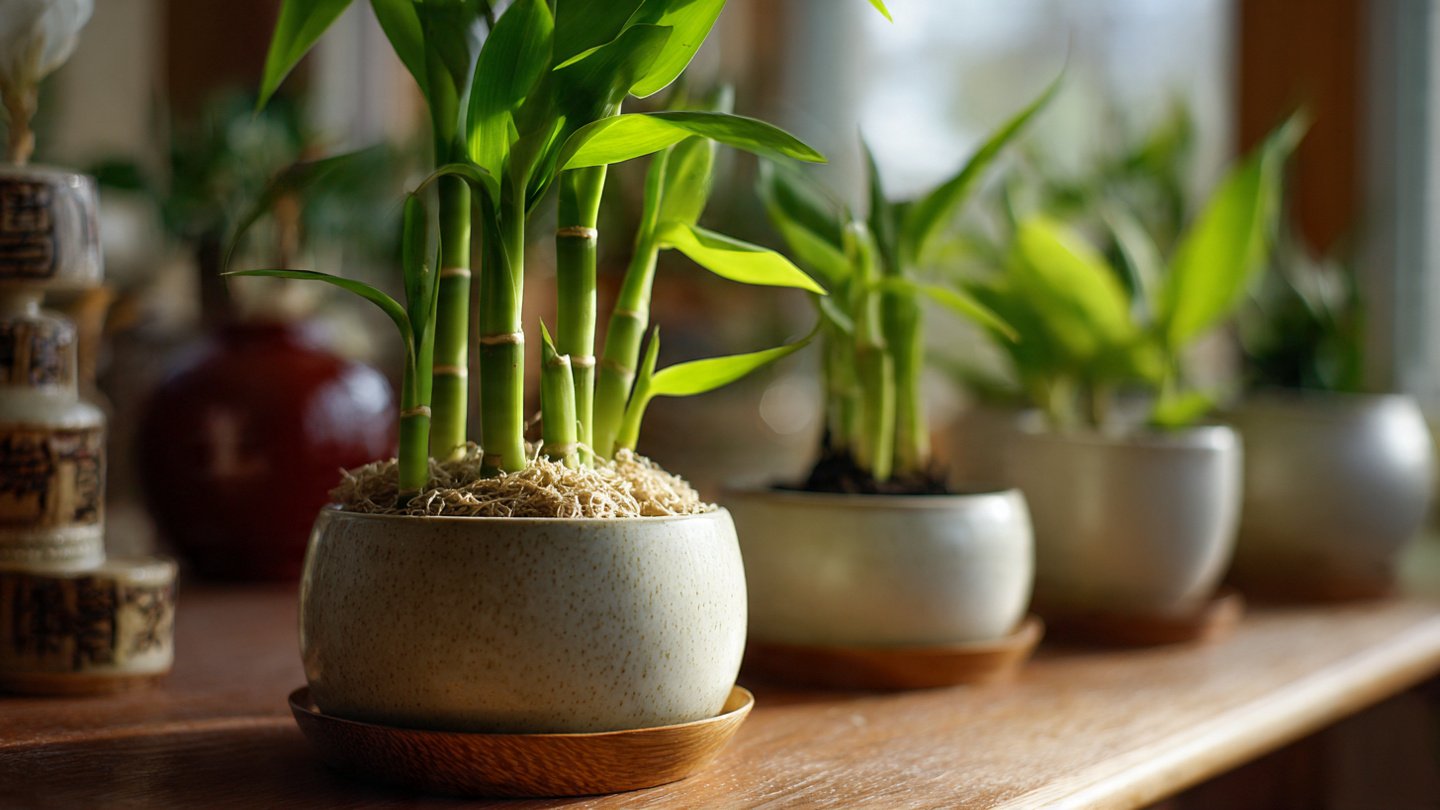

Lucky bamboo (Dracaena sanderiana) has become a cherished plant in homes around the world, celebrated for its resilience, aesthetic appeal, and symbolism of good fortune. Unlike its name suggests, lucky bamboo is not a true bamboo species but a member of the Dracaena family. This versatile plant is traditionally grown in water; however, cultivating it in soil can enhance its longevity and growth potential. In this comprehensive guide, we will explore everything you need to know about successfully growing lucky bamboo in soil for home decor.
Understanding Lucky Bamboo
Historical and Cultural Significance
Originating in the tropical rainforests of Africa, lucky bamboo holds deep-rooted significance in Asian cultures. It is often associated with Feng Shui beliefs, symbolizing prosperity, growth, and good fortune. The number of stalks you choose to display can convey different meanings:
- 1 Stalk: A symbol of love.
- 2 Stalks: Represents a harmonious relationship.
- 3 Stalks: Brings happiness, long life, and wealth.
- 5 Stalks: Ideal for wealth and abundance.
- 6 Stalks: For smooth sailing in life.
- 7 Stalks: Associated with good health.
- 8 Stalks: Brings prosperity and wealth.
Choosing the Right Variety
Lucky bamboo comes in various shapes and sizes, ranging from simple straight stalks to intricate, twisted arrangements. The most common types include:
- Straight Stalks: Easy to care for and perfect for a minimalist aesthetic.
- Curly Stalks: Often used in artistic arrangements and symbolize flexibility.
- Multi-stalk Arrangements: Great for creating unique decor statements.
Preparing to Grow Lucky Bamboo in Soil
Selecting the Right Container
Opt for a pot with good drainage holes to prevent root rot, as standing water can be detrimental. The size of the pot should be proportional to the size of the bamboo you intend to grow—too large a pot may retain excess moisture.
Choosing the Right Soil
For optimal growth, choose a well-draining potting mix. A mix that includes peat moss, perlite, and some organic matter is ideal. Avoid using garden soil, which can compact and retain too much moisture.
Location and Lighting Conditions
Lucky bamboo thrives in bright, indirect sunlight. Direct sunlight can scorch the leaves, while too little light can hinder growth. A north- or east-facing window is often ideal for providing the right balance of light.
Steps to Successfully Grow Lucky Bamboo in Soil
1. Planting
- Soak the Roots: If your lucky bamboo has been in water, gently rinse the roots to remove any algae or debris.
- Fill the Container: Add your well-draining soil mix to the pot, ensuring there’s enough room for the roots.
- Position the Stalks: Place the bamboo stalks upright in the soil, planting them deep enough to stabilize but not so deep that the lower leaves are buried.
- Water: Water the plant thoroughly, allowing excess moisture to drain out.
2. Watering
Lucky bamboo prefers moist but not saturated soil. Water when the top inch of soil feels dry to the touch. Use room-temperature distilled or rainwater, avoiding tap water that contains chlorine or fluoride.
3. Fertilizing
Feed your lucky bamboo every 4-6 weeks during the growing season (spring and summer) with a diluted liquid fertilizer. Look for a balanced NPK ratio (like 20-20-20), but avoid over-fertilizing, which can burn the roots.
4. Pruning and Maintenance
Regularly prune yellowing or damaged leaves to encourage healthy growth. You can also trim the stalks to shape the plant, ensuring you use clean, sharp scissors to prevent the spread of disease.
5. Pest Management
Keep an eye out for common pests such as spider mites and mealybugs. If you notice any infestations, treat the plant with insecticidal soap or neem oil, ensuring you follow the instructions for application.
Decorating with Lucky Bamboo
Placement Ideas
Lucky bamboo can enhance various spaces in your home:
- Living Room: Place it on a coffee table or a shelf for a lively touch.
- Office: Incorporate it into your workspace to foster a productive environment.
- Bedroom: A small arrangement on your nightstand can promote tranquility and peace.
Arrangement Tips
Experiment with different heights and stalk arrangements to create a unique centerpiece. Combine lucky bamboo with other plants or decorative stones for a contemporary look.
Troubleshooting Common Issues
Yellowing Leaves
Yellowing leaves can indicate overwatering, a lack of nutrients, or inappropriate lighting conditions. Adjust your care regimen based on the specific cause.
Stunted Growth
If your lucky bamboo isn’t growing as expected, examine its light conditions, assess your watering schedule, and check for pests.
Root Rot
If the plant has been overwatered, roots may start to rot. Remove the plant from its pot, trim any rotten roots, and repot in fresh soil.
Frequently Asked Questions (FAQs)
1. Can lucky bamboo grow in water?
Yes, lucky bamboo can grow in water. However, growing it in soil often leads to healthier, stronger plants.
2. How often should I water my lucky bamboo?
Water when the top inch of soil feels dry. In general, this can be once a week or less, depending on environmental factors like humidity and light.
3. How do I propagate lucky bamboo?
You can propagate lucky bamboo by cutting a stalk just below a node and placing it in water or soil. Roots will begin to develop within a few weeks.
4. Is lucky bamboo safe for pets?
Yes, lucky bamboo is generally non-toxic to cats and dogs, but it’s always a good idea to monitor your pets and consult with a vet if ingestion occurs.
5. Can lucky bamboo thrive in low light conditions?
While lucky bamboo can tolerate low light, its growth may slow down. It thrives best in bright, indirect sunlight.
6. What should I do if my lucky bamboo is growing too tall?
You can trim the stalks to your desired height, but make sure to leave enough leaves on top to ensure continued growth.
7. Is special fertilizer needed for lucky bamboo?
A balanced liquid fertilizer diluted to half strength is suitable. Regular houseplant fertilizer can also work.
Conclusion
Growing lucky bamboo in soil not only enhances its longevity but also allows for a range of decorative styles in your home. By following the right practices, nurturing your plant, and troubleshooting any potential issues, you can enjoy the beauty and charm of lucky bamboo while simultaneously drawing in good fortune. Whether you’re a seasoned plant enthusiast or a beginner, lucky bamboo can be an impressive addition to your home decor.