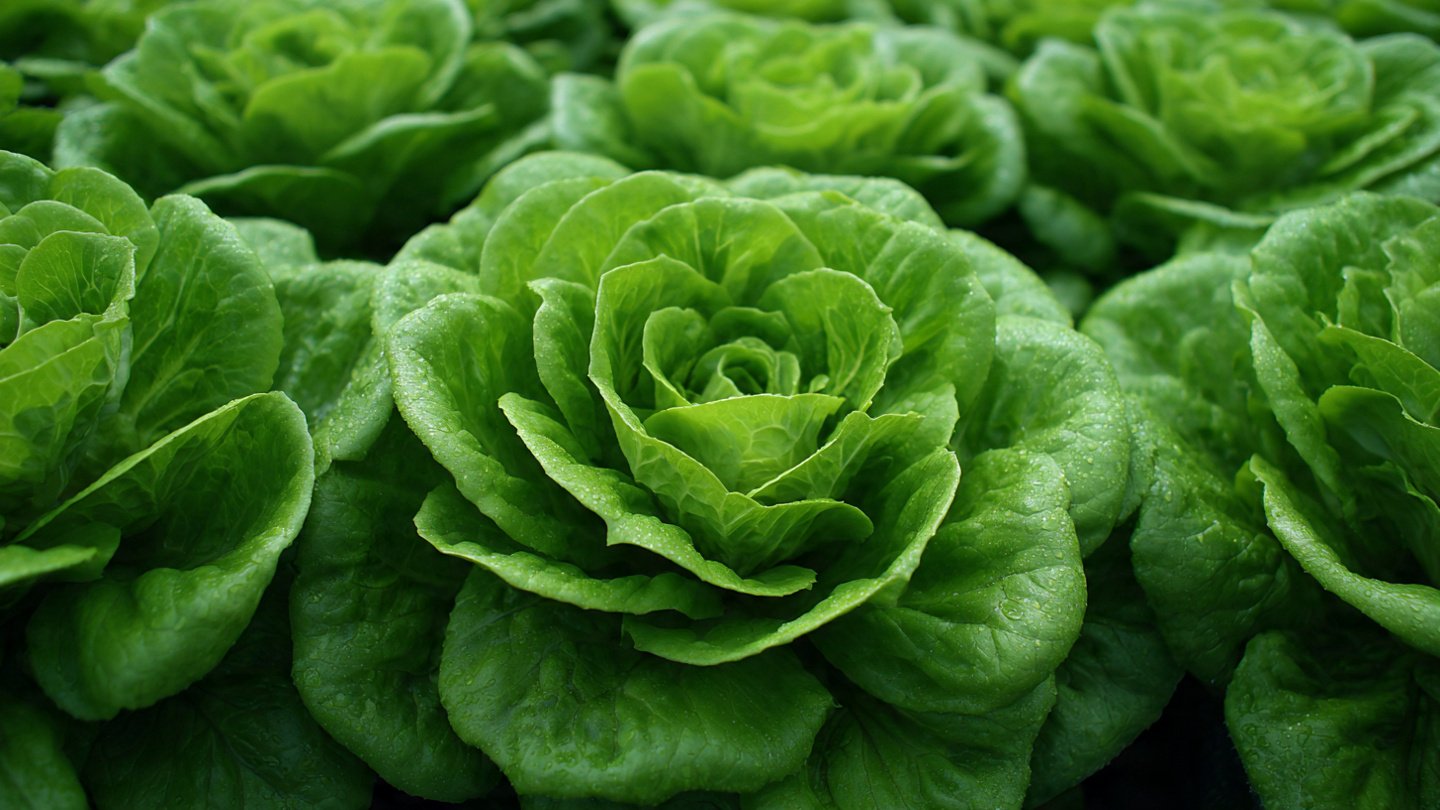

Butterhead lettuce, prized for its tender leaves and rich, buttery flavor, is a delightful addition to any home garden. Easy to grow and delicious in salads, sandwiches, and garnishes, butterhead lettuce can thrive in various climates, making it a fantastic choice for both novice and seasoned gardeners. This guide will delve into everything you need to know about successfully cultivating butterhead lettuce, from selecting the right variety to troubleshooting common problems.
Understanding Butterhead Lettuce
Butterhead lettuce, also known as Boston or Bibb lettuce, consists of soft, loose leaves that form a rosette. This type of lettuce is moist and slightly sweet, making it perfect for salads and wraps. It grows well in cool weather and can be grown year-round in certain climates or greenhouses.
Varieties of Butterhead Lettuce
Before diving into cultivation techniques, it’s essential to know your options. Some popular butterhead lettuce varieties include:
- Buttercrunch: Known for its crisp texture and sweet flavor.
- Bibb: A traditional heirloom variety with a delicate leaf structure.
- Boston: Characterized by its large heads and soft leaves.
Choosing the right variety depends on your taste preferences and local growing conditions.
Preparing Your Garden
Location
Butterhead lettuce prefers a location that receives partial shade, especially during hot summer months. Look for a spot where it can receive morning sun but is shaded from the scorching afternoon heat.
Soil Preparation
Lettuce thrives in well-draining, fertile soil that is rich in organic matter. To prepare your soil:
- Test Soil pH: Aim for a pH between 6.0 and 7.0 for optimal growth.
- Amend With Organic Matter: Incorporate compost or well-rotted manure to improve soil structure and nutrient content.
- Tillage: Loosen the soil to a depth of at least 12 inches to promote root development.
Garden Bed Preparation
- Raised Beds: Consider building raised beds to improve drainage and prevent soil compaction.
- Spacing: Leave space between plants to ensure good air circulation and ease of maintenance.
Planting Butterhead Lettuce
When to Plant
Butterhead lettuce can be grown in spring and fall, as it prefers cooler temperatures.
- Spring Planting: Start seeds indoors 4-6 weeks before the last frost date or sow directly outside as soon as the soil can be worked.
- Fall Planting: Sow seeds in late summer to early fall, allowing them to mature before the first frost.
Seed Sowing Techniques
- Direct Sowing: If planting directly in the ground, sow seeds about 1/4 inch deep, spaced 12-18 inches apart in rows.
- Transplanting: If starting seeds indoors, transplant seedlings outdoors when they have at least two true leaves and are about 2-3 inches tall.
Watering After Planting
Water thoroughly after planting to ensure seed-to-soil contact. Keep the soil consistently moist, particularly during germination.
Care and Maintenance
Watering Guidelines
Lettuce requires regular watering to thrive, particularly in dry periods. Aim for about 1 inch of water per week, adjusting based on weather conditions.
Tip: A soaker hose can provide uniform moisture without wetting the leaves, which can lead to fungal diseases.
Fertilization
Lettuce has relatively low nutrient requirements, but a balanced fertilizer can encourage growth. Consider using:
- Organic Options: Compost tea or fish emulsion applied every few weeks.
- Granular Fertilizers: A slow-release formula can also be effective if applied according to package instructions.
Pest Management
Lettuce is susceptible to pests such as aphids, slugs, and snails. Monitor your plants regularly and treat infestations promptly using organic methods:
- Insecticidal Soap: Effective against soft-bodied pests like aphids.
- Handpicking: Remove larger pests like slugs and snails by hand.
Weed Control
Keep the garden bed free of weeds, especially early in the season. Use mulch to suppress weed growth and retain soil moisture.
Harvesting Butterhead Lettuce
When to Harvest
Butterhead lettuce is typically ready to harvest about 55-75 days after planting, depending on the variety.
- Signs of Maturity: Look for a firm, tightly packed head that has reached a size suitable for your needs.
- Harvest Timing: Early morning is the best time to harvest, as leaves are crispest and minimize wilting.
Harvesting Techniques
- Cutting: Use a sharp knife to cut the head at the soil line.
- Individual Leaves: For continuous harvest, you can also pick outer leaves while leaving the inner leaves to develop.
Post-Harvest Care
Storing Butterhead Lettuce
To preserve freshness, store harvested butterhead lettuce in a breathable bag or container in the refrigerator. It typically lasts about a week if kept chilled and dry.
Using Leftover Lettuce
If your harvest surpasses your immediate needs, consider blanching and freezing any excess.
Troubleshooting Common Issues
Bolting
When temperatures rise, lettuce can bolt, leading to bitter-tasting leaves. To prevent this, plant in cooler weather and provide shade during hot spells.
Leaf Discoloration
Yellowing leaves may indicate inadequate nutrients or water. Ensure proper watering and fertilization practices are followed.
Pests and Diseases
- Downy Mildew: Can be reduced by ensuring good air circulation and not overwatering.
- Aphids: Early detection allows for treatment with insecticidal soap.
FAQs
1. What is the best time to plant butterhead lettuce?
The best time to plant butterhead lettuce is in early spring or late summer. It thrives in cool temperatures, so aim for these periods for optimal growth.
2. Can I grow butterhead lettuce indoors?
Yes, you can grow butterhead lettuce indoors with adequate light, such as grow lights, and proper ventilation. Use containers with good drainage.
3. How much sunlight does butterhead lettuce need?
Butterhead lettuce prefers partial sun, receiving about 4-6 hours of direct sunlight daily. Too much heat can lead to bolting.
4. How do I prevent pests in my butterhead lettuce?
Regularly inspect your plants, practice crop rotation, and use organic pest control methods such as neem oil or insecticidal soap to deter pests.
5. How long does it take for butterhead lettuce to grow?
Butterhead lettuce typically matures in about 55-75 days from planting, depending on the specific variety and growing conditions.
6. What type of soil is best for butterhead lettuce?
A well-draining, fertile soil rich in organic matter is ideal for butterhead lettuce. Aim for a pH between 6.0 and 7.0.
7. Can I grow butterhead lettuce in containers?
Absolutely! Butterhead lettuce grows well in containers. Ensure the container has adequate drainage and is filled with a quality potting mix.
8. What are signs that my butterhead lettuce is ready to harvest?
Look for tightly packed heads and a firm texture. The leaves should be vibrant green and crisp.
Conclusion
Growing butterhead lettuce is a rewarding endeavor that can enhance your home cooking and gardening experience. By following this comprehensive guide and adapting to the specific needs of your garden, you can enjoy an abundant harvest of fresh, delicious lettuce. Happy gardening!