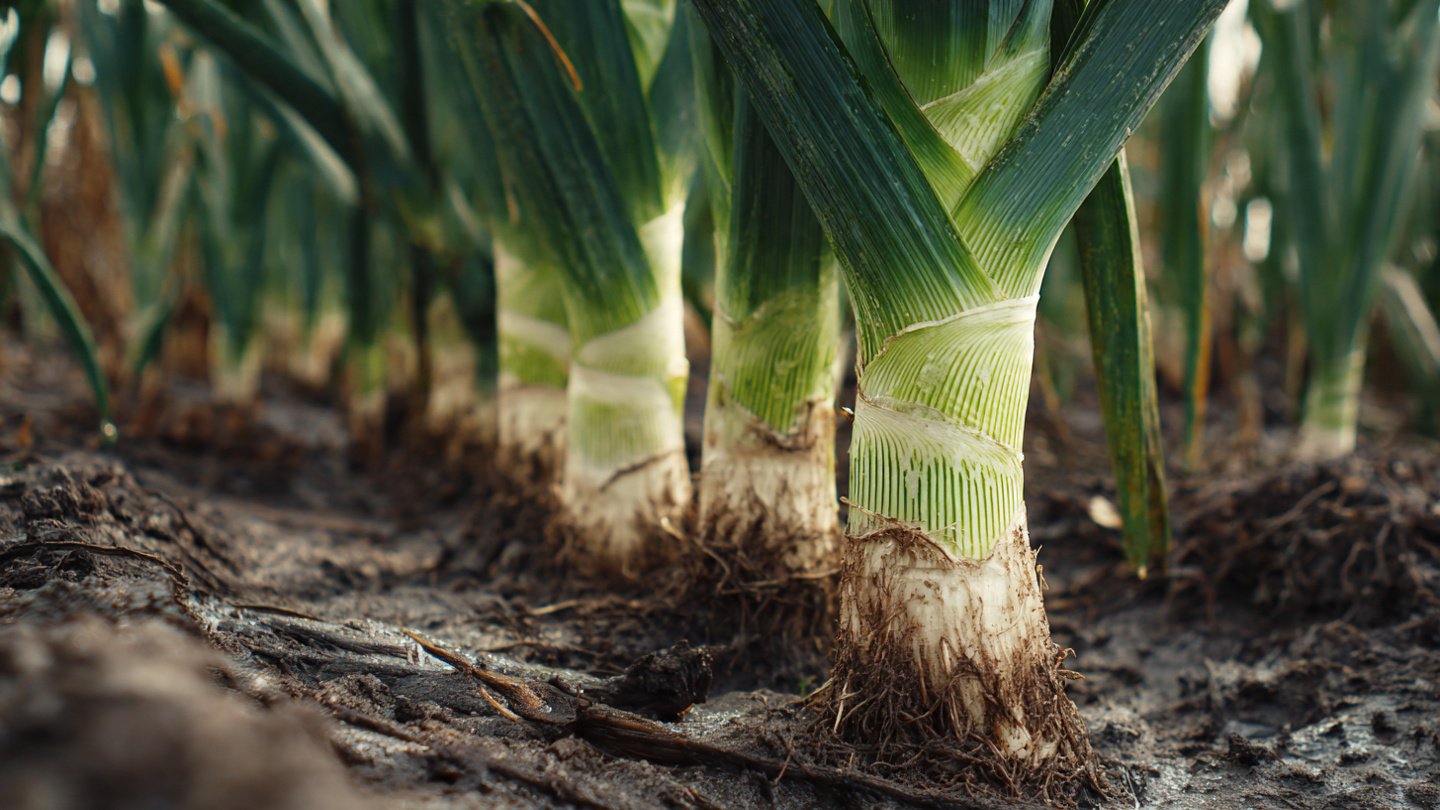

As the cool winds of autumn begin to blow and the days grow shorter, the anticipation for hearty winter stews rises. One ingredient that deserves a special mention in these cozy dishes is the robust and flavorful leek. Known for their unique taste and versatility, leeks can transform a simple stew into a savory masterpiece. In this ultimate guide, we will explore everything you need to know about growing giant leeks, from choosing the right variety to harvesting and using them in winter stews.
1. Understanding Leeks: A Brief Overview
Leeks (Allium ampeloprasum) are members of the onion family and are prized for their mild flavor and versatility in the kitchen. They can add depth to soups, stews, and even stir-fries. Unlike onions, leeks grow long and cylindrical rather than bulbous, and they are typically harvested for their thick stalks, which can reach impressive sizes.
1.1 Nutritional Benefits
Beyond their culinary uses, leeks are a fantastic addition to your diet. They are low in calories and high in vitamins A, C, K, and B6. They also provide essential minerals like iron and manganese. Their high fiber content aids in digestion and supports overall health, making them a great choice for winter meals.
2. Choosing the Right Variety of Leeks
When growing giant leeks, selecting the right variety is crucial. There are several types, but some are better suited for winter stews than others.
2.1 Popular Giant Leek Varieties
-
Blue U (or Giant Musselburgh): This variety is known for its thick, long stalks and blue-tinged leaves. It is a hardy variety that can withstand harsh winter conditions.
-
Lincolnshire Gold: This leek has a mild flavor and grows exceptionally large. It’s known for its impressive lengths, making it great for harvest during winter.
-
Lyonnaise: A French variety, Lyonnaise leeks are prized for their sweet flavor and tender texture, perfect for cooking into a delicious stew.
2.2 Factors to Consider
When choosing a variety, consider your climate, the space in your garden, and your culinary preferences. Some leeks are more tolerant to cold and can be harvested later in the season, while others may have a shorter growing period.
3. Preparing Your Garden for Planting Leeks
Growing leeks successfully requires a bit of planning. Here’s how to prepare your garden:
3.1 Selecting the Right Location
Leeks prefer well-drained soil that receives full sun for at least 6 hours a day. Aim for a location that has plenty of organic material and good drainage.
3.2 Soil Preparation
Before planting, amend your soil with compost or well-rotted manure. Leeks thrive in fertile soil with a pH between 6.0 and 7.0. Test your soil and adjust as necessary.
3.3 Using Raised Beds or Containers
If you have limited space or poor soil, consider using raised beds or containers. Ensure they are at least 12 inches deep to accommodate the root systems.
4. Starting Leeks Indoors
Leeks thrive well when started indoors before being transferred to the garden. This ensures they have a head start before the cooler winter months.
4.1 Timing
Start your leek seeds indoors 8-10 weeks before the last frost date in your area. This timing varies depending on your location, so refer to local gardening calendars for accuracy.
4.2 Germination
Plant the seeds in trays filled with seed-starting mix. Sow the seeds about ¼ inch deep and keep them moist. Place them under grow lights or in a sunny window until they germinate.
4.3 Transplanting Seedlings
Once your seedlings have grown to about 6 inches tall, it’s time to transfer them outdoors. Harden them off for a week by gradually introducing them to outdoor conditions.
5. Direct Sowing Outdoors
In regions with milder winters, leeks can be directly sown into garden beds. Here’s how to do it effectively:
5.1 Timing for Direct Sowing
Plant leek seeds directly in the soil about 2-4 weeks before the last expected frost.
5.2 Planting Method
Sow the seeds in rows about 12 inches apart. Thin the seedlings to 6-8 inches apart once they have established.
6. Caring for Your Leeks
After planting, your leeks will require consistent care to ensure they grow into giant, flavorful stalks.
6.1 Watering
Leeks need consistent moisture, especially during dry spells. Water them deeply once a week, allowing the top layer of soil to dry out between watering.
6.2 Weeding
Keep the area around your leeks weed-free. Weeds can compete for nutrients and water. Consider using mulch to keep weeds down and retain moisture.
6.3 Hilling Up
As your leeks grow, hill up the soil around their stems. This helps to blanch the stalks, keeping them tender and prevents them from turning green.
7. Pest and Disease Management
Leeks can face challenges from pests and diseases, but with proper care, you can mitigate these issues.
7.1 Common Pests
-
Onion Maggots: Yellowing leaves may indicate an infestation. Use row covers to protect seedlings.
-
Aphids: These can be managed with insecticidal soap or neem oil.
7.2 Diseases
Watch for signs of rust or downy mildew. Good air circulation and crop rotation help prevent these issues. If you notice diseased leaves, remove them promptly.
8. Harvesting Leeks
Knowing when and how to harvest your leeks is critical for maximum flavor.
8.1 Timing
Leeks can be harvested in late fall or winter when they reach 1-2 inches in diameter. They can withstand frost, so you can harvest as needed.
8.2 Harvesting Technique
Use a spade to loosen the soil around the base before pulling them out gently. Be careful not to damage the stalks.
9. Storing Your Giant Leeks
Once harvested, it’s crucial to store leeks properly to maintain their freshness.
9.1 Refrigeration
Place leeks in a plastic bag and store them in the vegetable crisper of your refrigerator. They can last for up to two weeks.
9.2 Freezing
Blanch leeks in boiling water for a couple of minutes, then cool them in ice water. Drain and freeze them in airtight containers for longer storage.
10. Using Giant Leeks in Winter Stews
Now that you’ve grown and harvested your giant leeks, it’s time to enjoy their flavors.
10.1 Simple Winter Leek Stew Recipe
Ingredients:
- 2 large giant leeks, sliced
- 2 potatoes, diced
- 2 carrots, sliced
- 4 cups vegetable or chicken broth
- 1/2 cup cream (optional)
- Salt and pepper to taste
- Fresh herbs (like thyme or parsley) for garnish
Instructions:
- In a large pot, sauté the sliced leeks in a bit of olive oil until tender.
- Add the diced potatoes and carrots, stirring to combine.
- Pour in the broth and bring to a gentle simmer.
- Cook for about 20-25 minutes until the vegetables are tender.
- For a creamier version, stir in the cream just before serving.
- Season with salt and pepper. Garnish with fresh herbs.
10.2 Pairing with Other Ingredients
Giant leeks pair beautifully with flavors such as garlic, thyme, and potatoes. They also complement proteins like chicken or sausage, making them a versatile choice for winter stews.
Conclusion
Growing giant leeks not only adds a delicious component to your winter meals but offers the satisfaction of cultivating your own vegetables. With careful planning, proper care, and an understanding of their growth process, you’ll be well on your way to enjoying abundant harvests. So as the winter cold sets in, gather your homegrown leeks and create heartwarming stews that will warm you from the inside out. Happy gardening!