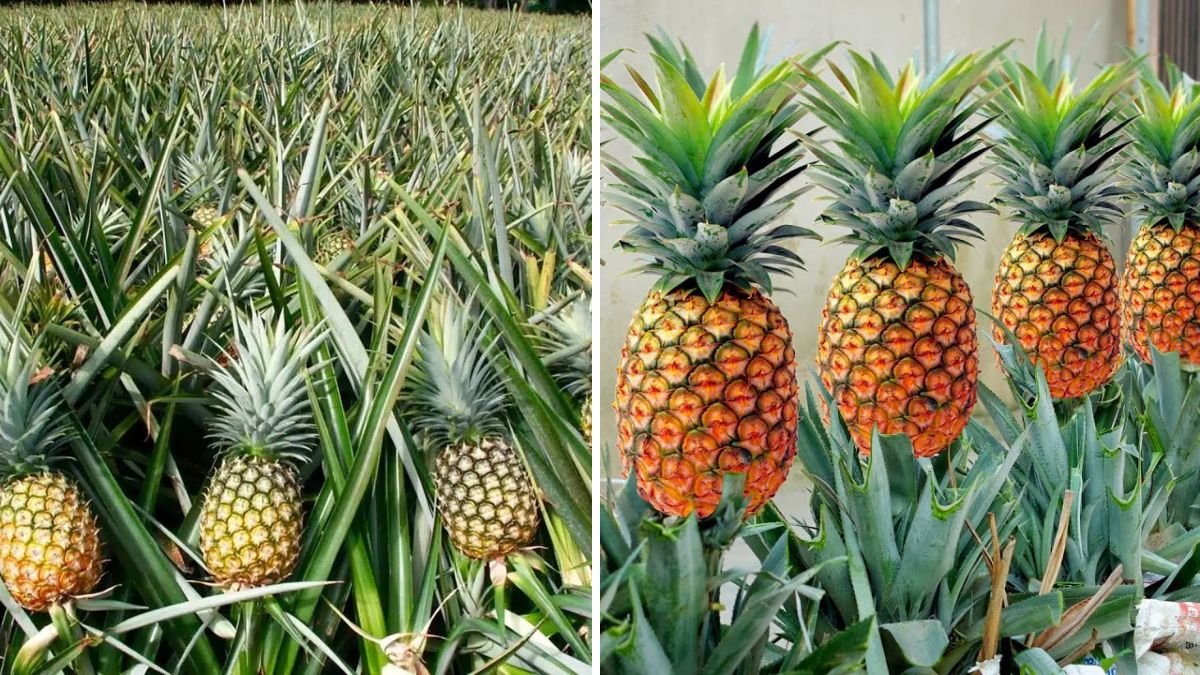

Growing pineapples at home is already exciting—but what if you could double your success rate, speed up growth, and get healthier, more productive plants using one simple grafting trick? Most gardeners don’t know that pineapple plants, although propagated mainly through crowns and suckers, can also benefit from a special grafting technique that strengthens the root system and boosts fruiting performance.
This article reveals an easy method to graft pineapple using its own suckers and crowns, creating a stronger, faster-growing plant. If you love growing pineapples or want a fun, productive garden experiment, this guide is for you.
🍍 Why Graft Pineapple?
Pineapple is usually grown from:
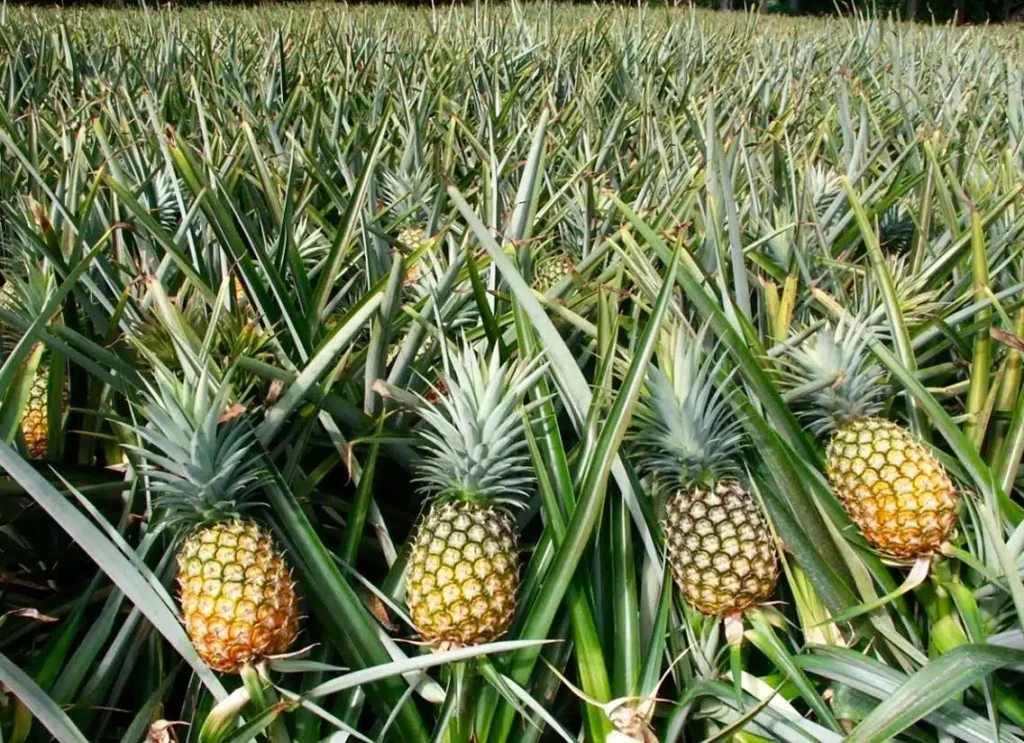
- The crown (top of the fruit)
- Suckers (side shoots)
- Slips (shoots that grow below the fruit)
- Ratoons (shoots from the base)
But gardeners have discovered a new, effective technique:
👉 Grafting the crown onto a vigorous sucker or slip to boost early root development and fruiting strength.
Benefits of Pineapple Grafting
- Faster growth and early establishment
- Stronger root system
- More resistance to drought stress
- Higher chances of producing a bigger fruit
- Faster recovery from root disease
- Efficient use of weak crowns
This process is not traditional grafting like you see in trees, but a fusion planting technique similar to air-layering and crown rooting—very effective, natural, and beginner-friendly.
🍍 What You Need
- One healthy pineapple crown (from a ripe fruit)
- One strong sucker or slip
- Sharp knife
- Coconut coir or garden soil
- A small container
- Rubber bands or jute string
- A rooting hormone (optional)
- Clean water
🍍 Step 1: Prepare the Pineapple Crown
Take a ripe pineapple and gently twist off the crown.
- Remove 1–2 layers of the lower leaves.
- Expose the tiny root buds beneath.
- Dry the crown in shade for 24 hours to prevent rot.
- Optional: Dip the bottom in rooting hormone.
This ensures the base is clean and ready to fuse with the sucker.
🍍 Step 2: Select a Healthy Sucker or Slip
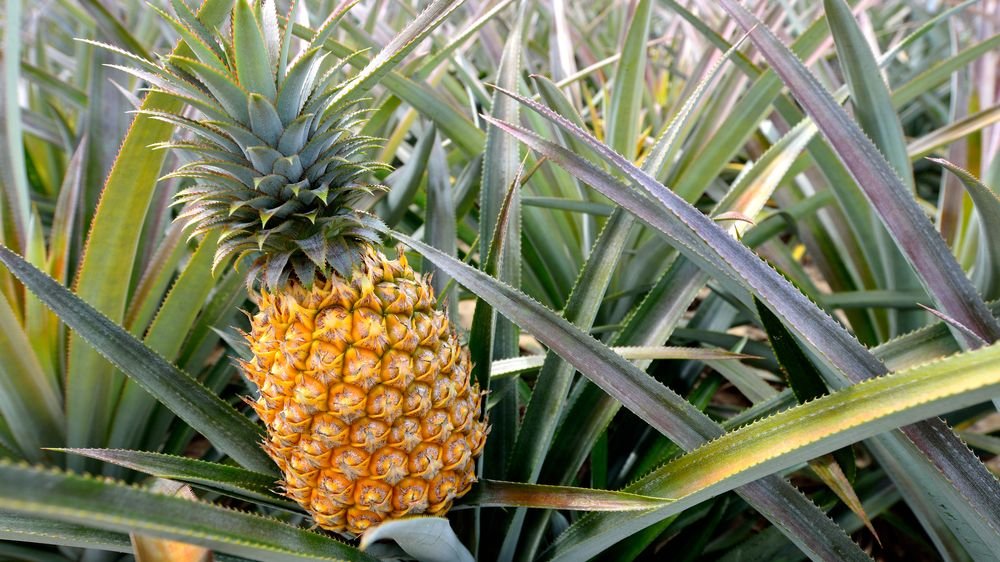
Choose a sucker that is:
- Strong
- Green
- At least 20–30 cm tall
- Free from rot or insects
Trim any damaged leaves and lightly clean its base.
Why use a sucker?
Because it already has a strong root system, and attaching a crown to it speeds up establishment.
🍍 Step 3: Make a Clean Cut for Grafting
This is the most important step.
For the crown:
- Slice the bottom flat so it sits evenly.
For the sucker:
- Cut the top flat (remove only 1–2 cm, not the whole center).
This creates two flat surfaces that can fuse naturally when wrapped together.
🍍 Step 4: Join the Crown and Sucker
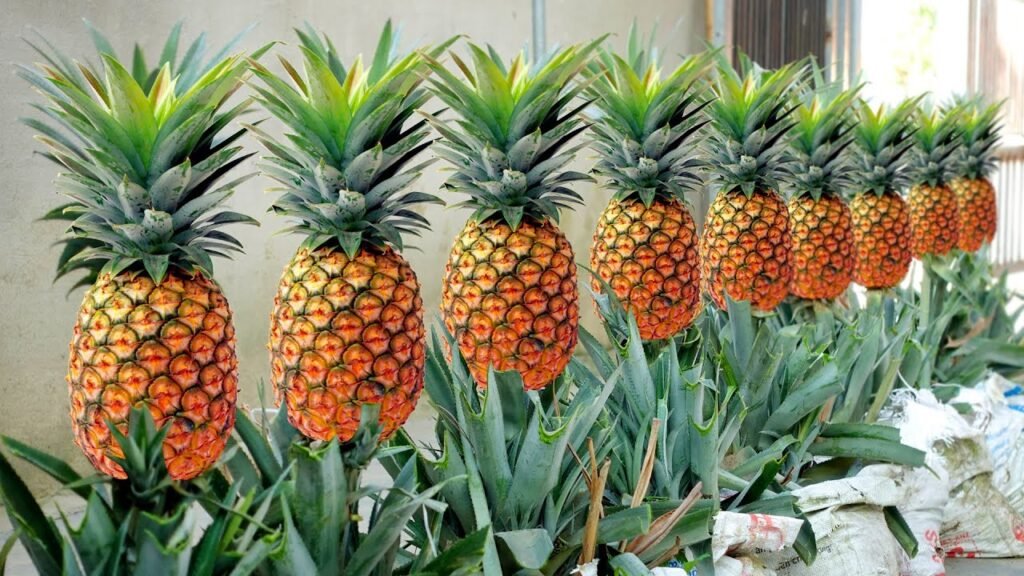
Place the pineapple crown onto the sucker’s flat surface.
Make sure:
- The crown sits firmly
- The center alignment is proper
- There is no wobbling
Use:
- Rubber bands, or
- Jute thread
…to tie them gently but tightly.
This is not a classic graft—it is a fusion graft that encourages rooting and merging.
🍍 Step 5: Provide Moist Growing Conditions
Place the grafted plant in a pot with a mixture of:
- 50% coconut coir
- 30% sand
- 20% compost
Keep the soil slightly moist, not wet.
First 2 Weeks Care
- Keep in partial shade
- Water lightly every 2–3 days
- Avoid strong sunlight
During this time, the crown begins to produce new roots that link into the sucker’s already established system.
🍍 Step 6: Move to Sunny Location
After 2–3 weeks, the plant will feel firmer and more stable.
Now move it to direct sunlight, which pineapple loves.
Give diluted organic fertilizer every 15 days:
- Banana peel water
- Seaweed solution
- Cow dung tea
- Compost tea
This strengthens the plant and encourages flowering.
🍍 When Will the Pineapple Grow Fruit?
Using the grafting/fusion method:
- Normal pineapple: 16–20 months
- Grafted pineapple: 10–14 months
The crown grows faster because it benefits from the already mature root system of the sucker—giving it a head start.
Many gardeners report:
✔ Bigger fruit
✔ Faster maturity
✔ Stronger leaves
✔ Better drought resistance
🍍 Additional Tips for Bigger Pineapple Fruits
1. Keep the soil slightly acidic
Pineapple prefers pH 4.5–6.0.
Add:
- Coffee grounds
- Compost
- Pine needles
2. Do not overwater
Pineapples are drought-tolerant.
Overwatering = rot.
3. Use organic fertilizers
Every 30 days, apply:
- Compost
- Wood ash
- Vermicompost
- Neem cake
4. Encourage flowering
After 8–10 months, if the plant is mature, you can stimulate flowering naturally.
Put:
- A ripe apple
- A banana peel
…into a plastic bag with the plant for 3 days.
Ethylene gas triggers flowering.
5. Provide full sun
Pineapple needs at least 6–8 hours of bright sunlight.
🍍 Common Mistakes to Avoid
❌ Over-tight binding
This cuts off the growth point.
❌ Using a rotten crown
Leads to fungal infection.
❌ Keeping the plant in deep shade
Slows growth drastically.
❌ Watering daily
Causes the center to rot.
🍍 Why This Pineapple Grafting Method Works
Unlike tree grafting, pineapples respond well to fusion rooting, where two plant sections join and share nutrients.
This method:
- Boosts root power
- Speeds up growth
- Reduces waiting time
- Helps crowns root faster
- Makes weak crowns survive
It’s popular among home growers experimenting with high-yield techniques.
🍍 Final Thoughts
Grafting or fusion planting pineapples is a fun, simple, and surprisingly effective technique. With just a crown and a healthy sucker, you can create a strong plant that grows faster, resists stress, and potentially gives a larger fruit.
If you enjoy gardening experiments or want to increase your pineapple harvest, this easy trick is definitely worth trying!