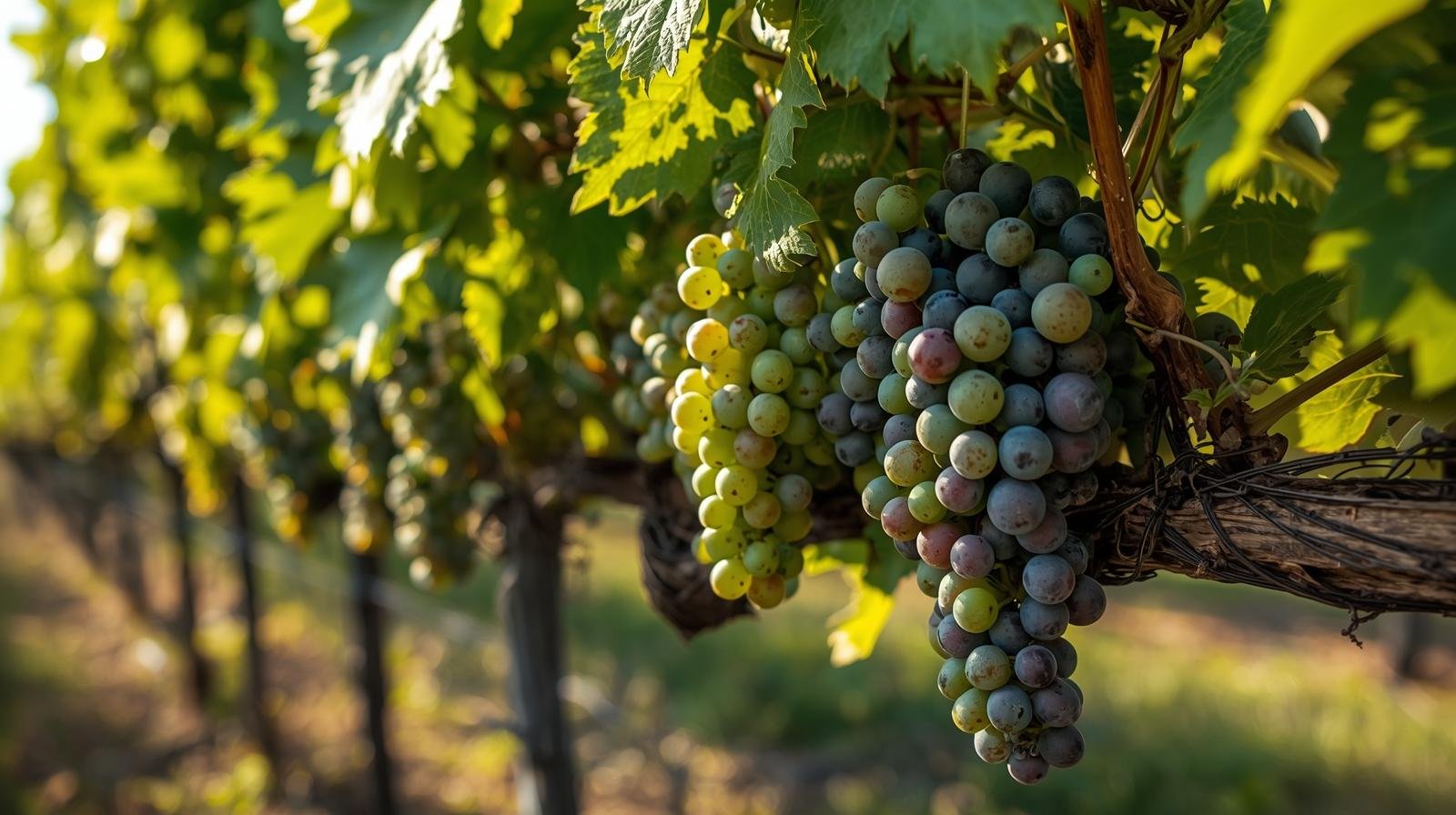

Grape cultivation has traditionally required patience, precise pruning, and careful disease control. However, new growing techniques now allow farmers and home gardeners to achieve faster vine establishment, better fruit quality, and higher yields. This modern method focuses on soil biology, canopy management, and nutrient efficiency to produce healthy grapevines with consistent harvests.
Selecting the Right Grape Variety
Choosing the correct grape variety is the foundation of success. Table grapes, wine grapes, and raisin grapes have different growth habits and nutrient requirements. Climate-adapted and disease-resistant varieties perform best under the new technique, reducing losses and maintenance effort.
Deep Soil Preparation Method
Grapevines develop extensive root systems, so deep soil preparation is essential. The new technique uses loosened soil mixed with compost, sand, and organic matter to improve drainage and root penetration. This encourages strong vine anchoring and efficient nutrient absorption.
Root Conditioning Before Planting
Before planting, vine roots are treated with beneficial microorganisms and organic root stimulants. This improves early root development, reduces transplant shock, and enhances long-term vine vigor.
Precision Planting and Spacing Strategy
Proper spacing between vines ensures good air circulation and sunlight exposure. The new method avoids overcrowding, which helps prevent fungal diseases and improves fruit ripening uniformity.
Smart Irrigation Technique
Instead of frequent surface watering, deep irrigation is applied at longer intervals. This encourages roots to grow deeper, making vines more drought-tolerant and resilient during dry periods.
Stage-Based Nutrient Management
Nutrients are applied according to growth stages rather than fixed schedules. Nitrogen supports early vegetative growth, while phosphorus and potassium enhance flowering, fruit development, and sweetness.
Advanced Trellis and Training System
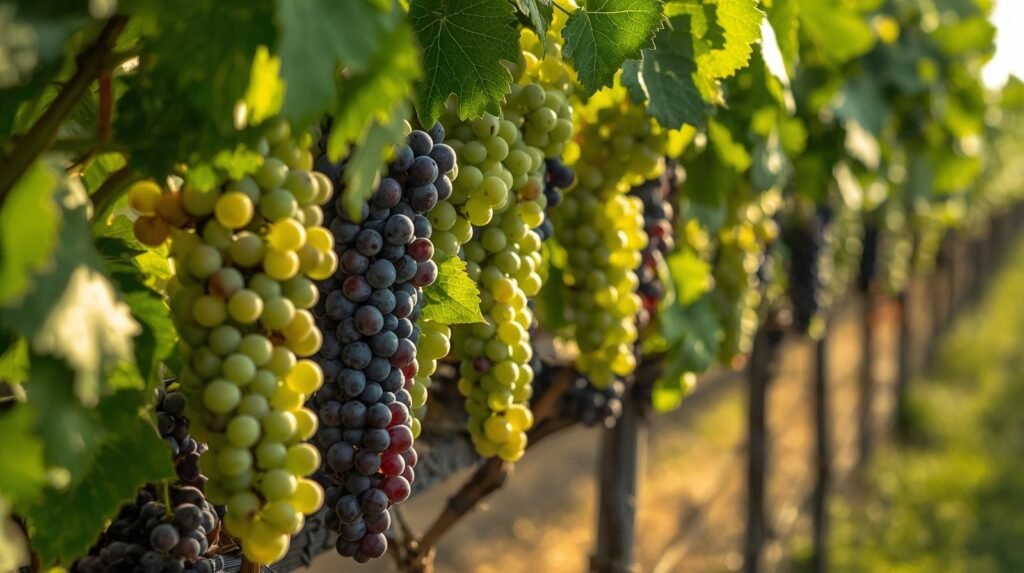
Modern trellis systems are used to guide vine growth efficiently. Proper training improves sunlight distribution, airflow, and ease of harvesting while reducing disease pressure.
Pruning for Productivity
Strategic pruning is a key part of the new technique. Removing excess shoots directs energy toward fruit-bearing canes, resulting in larger grape clusters and better quality berries.
Natural Pest and Disease Control
Neem-based sprays, sulfur treatments, and beneficial insects are used instead of harsh chemicals. This integrated approach protects vines while maintaining soil and ecosystem health.
Fruit Quality Enhancement Practices
Micronutrients such as boron and magnesium are applied during fruit development. These improve berry size, sugar content, and overall flavor.
Harvesting and Long-Term Vine Care
Grapes are harvested at optimal maturity for sweetness and color. Post-harvest pruning, mulching, and soil care ensure consistent yields in future seasons.
Grape Growing Technique Comparison Table
| Method | Vine Growth | Fruit Quality | Yield |
|---|---|---|---|
| Traditional Method | Moderate | Average | Medium |
| New Technique | Strong | High | High |