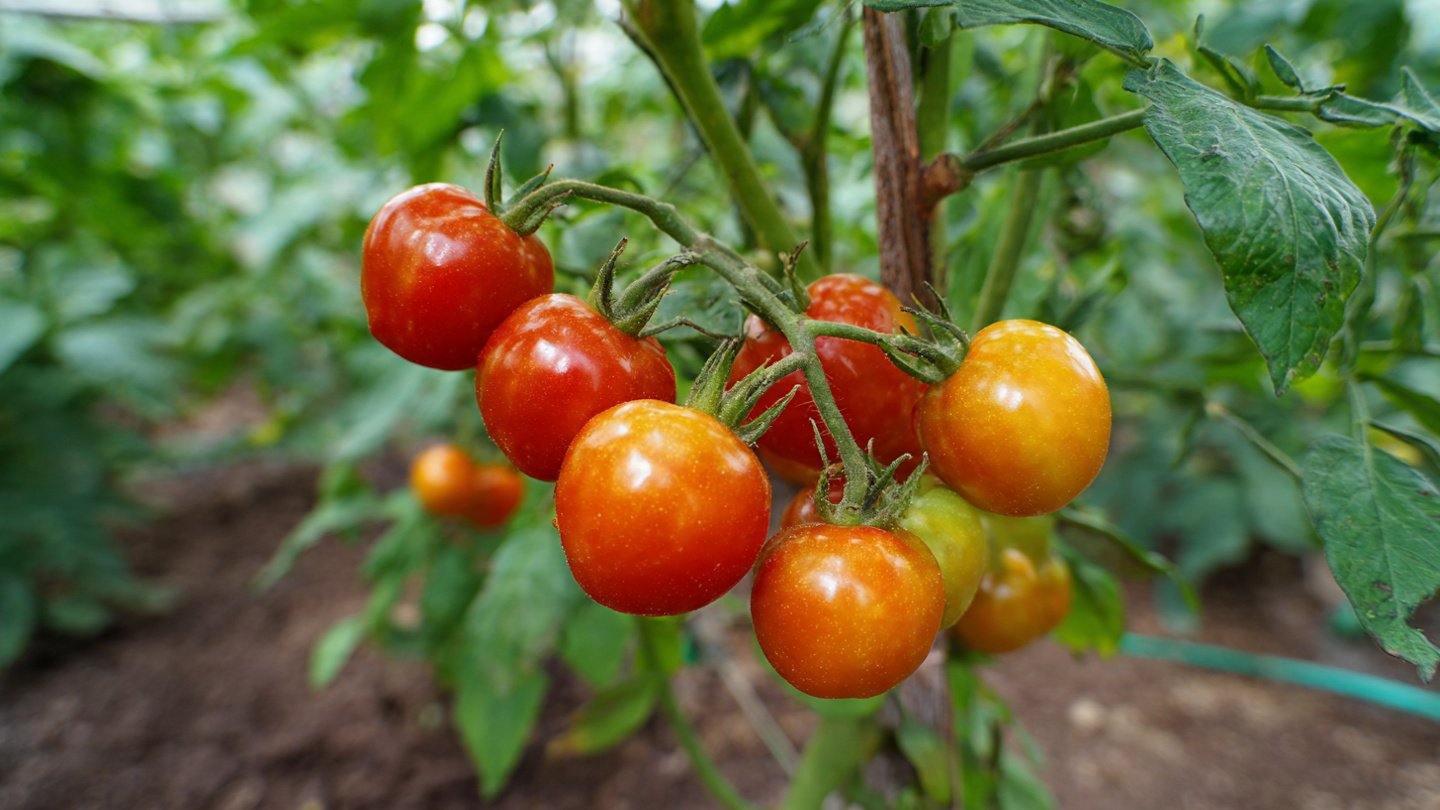

Pruning is often associated with tree maintenance, but its relevance extends deeply into the realm of vegetable gardening. This practice, when applied correctly, has multiple benefits for plant health, yield, and overall garden efficiency. However, many gardeners overlook or ignore pruning, leading to a series of hidden consequences that can significantly impact vegetable growth.
Understanding Pruning Techniques
Pruning is the act of selectively removing parts of a plant to improve its structure and promote healthier growth. The primary techniques include:
- Thinning: Removing entire branches or stems to reduce overcrowding.
- Heading: Cutting back stems to encourage bushier growth.
- Suckering: Removing suckers or shoots that grow from the base to focus energy on productive growth.
- Pinching: Tipping the ends of new growth to stimulate lateral buds.
The Benefits of Pruning in Vegetable Gardens
Ignoring these techniques can lead to several negative impacts on vegetable growth, including:
1. Reduced Air Circulation
Overgrown plants, especially in a garden setting, can become dense and crowded. This crowding hampers air circulation, creating a humid environment that can promote fungal diseases and other issues such as root rot. Proper pruning allows for optimal air movement, which is crucial for preventing diseases and ensuring healthy growth.
2. Increase in Pest Problems
Ignoring pruning can also lead to an increase in pest populations. Dense foliage provides an ideal habitat for pests, making it easier for them to hide and reproduce. By regularly removing unnecessary growth and maintaining good structure, gardeners can discourage pests and maintain healthier plants.
3. Limited Light Penetration
Most vegetables require ample sunlight for photosynthesis. When plants are not pruned, lower leaves may become shaded, limiting light availability. This can result in poor fruit and vegetable development. Pruning allows for better light distribution within the plant, ensuring all parts receive adequate sunlight.
4. Energy Diversion and Stunted Growth
Plants have a limited amount of energy, which they allocate for growth, reproduction, and survival. Excessive foliage or unproductive branches can divert energy away from the parts of the plant that yield vegetables. Pruning directs energy to the most productive parts, enhancing growth and increasing yields.
5. Enhanced Fruit Quality
Pruning not only influences quantity but quality as well. When vegetables are allowed to mature without any interference, the resultant fruits may be smaller and less flavorful. With appropriate pruning, plants can produce larger, more robust, and better-tasting vegetables.
Types of Vegetables that Benefit Most from Pruning
Some vegetables particularly benefit from precise pruning techniques. These include:
- Tomatoes: Regularly trimming suckers and excess foliage can improve air circulation and fruit size.
- Peppers: Pruning can help direct energy towards fruit production rather than foliage growth.
- Squash: Thinning leaves enhances light penetration and reduces humidity around the fruits.
- Beans: Pruning bush bean varieties helps prevent overcrowding and ensures better pod development.
Common Misconceptions About Pruning
There are several myths surrounding pruning that lead gardeners to neglect this crucial practice:
- Pruning Is Only for Trees: Many believe pruning applies only to trees and ornamental plants, overlooking its importance in vegetable gardening.
- Pruning Makes Plants Weak: In fact, proper pruning strengthens them by promoting better nutrient allocation and reducing disease risk.
- Pruning Can Be Done Anytime: Timing is essential; improper timing can damage plants and reduce yields.
Best Practices for Pruning Your Vegetables
For novice and experienced gardeners alike, here are practical tips for effective pruning:
- Know Your Plants: Different vegetables have diverse pruning requirements. Research specific needs for each type.
- Use the Right Tools: Sharp, clean pruners minimize damage and spread diseases. Always sanitize tools before use.
- Make Clean Cuts: Cut just above a node or leaf joint to facilitate better healing and growth.
- Time It Right: Prune during the plant’s dormant season or when it shows signs of overcrowding. Late spring and early summer are ideal for many vegetables.
Conclusion
Pruning can seem like a daunting or unnecessary task, but it plays an essential role in the success of vegetable gardens. Ignoring this important practice can result in poor growth, reduced yields, and increased disease and pest problems. By understanding and implementing effective pruning techniques, gardeners can significantly enhance their crops’ health and productivity, leading to a more fruitful and enjoyable gardening experience.
FAQs
1. How often should I prune my vegetable plants?
The frequency of pruning depends on the plant type and growth rate. For fast-growing varieties, you may need to prune every few weeks, while slower-growing vegetables may only need occasional pruning.
2. Can I prune vegetables during flowering?
It is generally best to avoid heavy pruning during the flowering stage, as this can stress the plant. Focus on removing excess growth while maintaining key branches.
3. What tools do I need for effective pruning?
You will need sharp pruning shears, a sharp knife for larger cuts, and potentially loppers for thicker branches. Always clean your tools before and after use.
4. Are there any vegetables that should not be pruned?
Some vegetables, like root crops (e.g., carrots and potatoes), do not require pruning and can suffer if their foliage is heavily altered. Always research specific needs before pruning.
5. What should I do with the pruned materials?
Pruned materials can be composted if they are disease-free or discarded properly. Avoid leaving them in the garden to prevent pest attraction and disease spread.