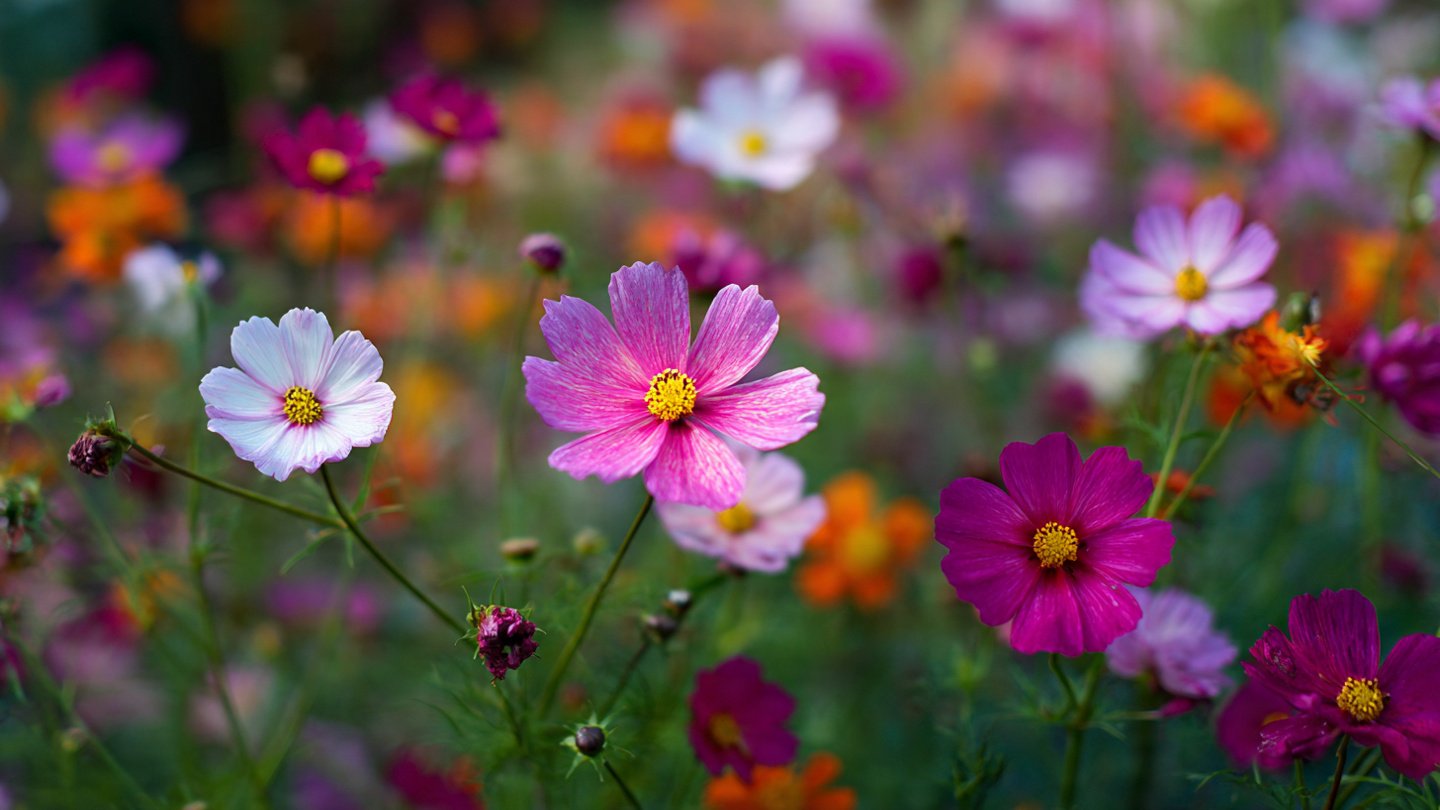

Cosmos flowers are not just beautiful; they play a crucial role in supporting local pollinators, making them an essential addition to any garden. This guide explores everything you need to know about cultivating cosmos flowers, from their benefits for pollinators to practical growing tips, common challenges, and frequently asked questions.
Understanding Cosmos Flowers
Overview of Cosmos Flowers
Cosmos flowers, belonging to the Asteraceae family, are native to Mexico. They are known for their delicate petals, vibrant colors, and ability to thrive in various conditions. The most common species are Cosmos bipinnatus (also known as garden cosmos) and Cosmos sulphureus (yellow cosmos). These flowers sport hues ranging from bright pinks and deep reds to soft whites and oranges.
Benefits for Pollinators
Pollinators, including bees, butterflies, and hummingbirds, are essential for maintaining healthy ecosystems. Cosmos flowers attract these creatures due to their structure and nectar availability:
- Nectar-rich blooms: Cosmos flowers provide ample nectar, attracting various pollinators.
- Flower shape: The open structure of cosmos blooms makes it easier for pollinators to land and access their food, fostering a more efficient feeding process.
- Extended bloom time: Cosmos flowers bloom from summer into fall, providing a crucial food source for pollinators during late-season foraging.
Why Support Local Pollinators?
Pollinators contribute significantly to biodiversity and food production. By encouraging their presence, you help sustain the environment and ensure the pollination of many other plants, leading to greater ecological diversity. Pollinator decline due to habitat loss, pesticide use, and climate change makes creating supportive environments more vital than ever.
Cultivating Cosmos Flowers
Choosing the Right Cosmos Variety
There are several varieties of cosmos flowers, each offering unique characteristics. When selecting the right kind for your garden, consider:
- Cosmos bipinnatus: Tall, sturdy plants with a range of colors, ideal for borders or back garden features.
- Cosmos sulphureus: More compact and bushy, perfect for front garden plantings and containers.
- Double flower varieties: These provide additional visual interest and can attract specific pollinators.
Sowing Seeds
When to Plant
Cosmos flowers can be seeded directly into the ground once the risk of frost has passed. Typically, this is in late spring for most regions. If starting indoors, sow seeds about 6-8 weeks before the last expected frost date.
Preferred Soil Conditions
Cosmos flowers thrive in well-drained soil with a pH of 6 to 7. They enjoy loamy or sandy types, and while they are resilient, adding compost can enhance soil quality.
How to Sow
- Prepare the soil by tilling and leveling it, ensuring good drainage.
- Scatter the seeds lightly on the surface; cosmos seeds need light for germination.
- Cover them with a thin layer of soil or simply press them in, depending on the depth recommended on seed packets.
- Water the area gently to avoid displacing the seeds.
Caring for Your Cosmos Flowers
Watering
Cosmos flowers are drought-tolerant once established. However, regular watering is essential during their initial growth. Water consistently, particularly during dry spells, but avoid oversaturating the soil.
Fertilizing
Cosmos are not heavy feeders. In most cases, a balanced fertilizer applied once during the growing season is sufficient. Too much nitrogen can lead to lush foliage with fewer blooms.
Pruning and Deadheading
Regular deadheading—the process of removing spent flowers—encourages blooming throughout the growing season. This will aid in preventing the plants from going to seed too early.
Pest and Disease Management
While cosmos flowers are generally hardy and resistant to pests, occasional issues may arise:
- Aphids: Small sap-sucking insects can attack young growth. Utilizing insecticidal soap or introducing ladybugs can help control their numbers.
- Powdery mildew: Ensure good air circulation and avoid overhead watering to minimize the risk of fungal diseases. If mildew appears, a fungicide or removal of affected leaves may be necessary.
Attracting Pollinators
To maximize the benefits of cosmos flowers, consider the following:
- Plant in groups: Mass plantings create vibrant patches, attracting more pollinators than solitary blooms.
- Diverse planting: Combine cosmos with other native flowering plants to offer a broader range of nectar sources throughout the growing season.
- Avoid pesticides: Protect pollinators by opting for organic gardening methods. If pest control is necessary, use targeted, pollinator-safe options.
Creating a Pollinator-Friendly Garden
In addition to cosmos flowers, consider enhancing your garden with other pollinator-friendly practices:
- Native plants: Plant native species that bloom at different times throughout the year.
- Water sources: Provide shallow water dishes for pollinators to drink from.
- Habitat: Leave some areas of your garden intact, allowing for natural habitats that attract and support pollinators.
- Education and awareness: Share your knowledge with neighbors about pollinator importance, promoting wider community efforts.
Long-term Maintenance and Care
To maintain a successful cosmos garden year after year:
- Save seeds: Allow some cosmos flower heads to mature and dry; save seeds for the next planting season.
- Mulching: Add organic mulch in spring to suppress weeds and retain soil moisture.
- End-of-season care: At season’s end, cut back spent blooms and foliage to keep your garden tidy. This also provides essential nutrients as the plant decomposes.
FAQs
1. When do cosmos flowers bloom?
Cosmos flowers typically bloom from mid-summer until the first frost, creating a long season of visual interest for your garden.
2. How much sunlight do cosmos flowers need?
Cosmos thrive in full sun, requiring at least six hours of direct sunlight per day. Partial shade may lead to leggy growth and fewer blooms.
3. Can cosmos flowers tolerate drought?
Yes, once established, cosmos flowers are drought-tolerant. Watering them during prolonged dry spells is important when they are young.
4. Are cosmos flowers perennials or annuals?
Most cosmos varieties are annuals, meaning they complete their life cycle in one growing season. However, in warmer climates, some may self-seed and return each year.
5. Can I grow cosmos in containers?
Absolutely! Cosmos flowers grow well in large containers. Ensure adequate drainage and use quality potting soil to support their growth.
6. What colors do cosmos flowers come in?
Colors vary widely, including pink, white, red, orange, and even yellow. Varieties like ‘Sensation’ offer beautiful, large blooms rich in color.
7. Are cosmos flowers deer-resistant?
Yes, generally, cosmos flowers are considered deer-resistant due to their aromatic foliage, which typically deters these animals.
8. How do I propagate cosmos flowers?
Cosmos flowers propagate best through seed. Collect seeds from mature flowers when they dry, and sow them in the spring.
Conclusion
Cultivating cosmos flowers is a beneficial and rewarding endeavor, especially given their crucial role in supporting local pollinators. By following the tips and practices outlined in this guide, you can create a vibrant, thriving garden that not only enhances your outdoor space but also contributes to the health of the local ecosystem. Enjoy the beauty and biodiversity that cosmos flowers bring to your garden, and watch as pollinators flourish alongside them!