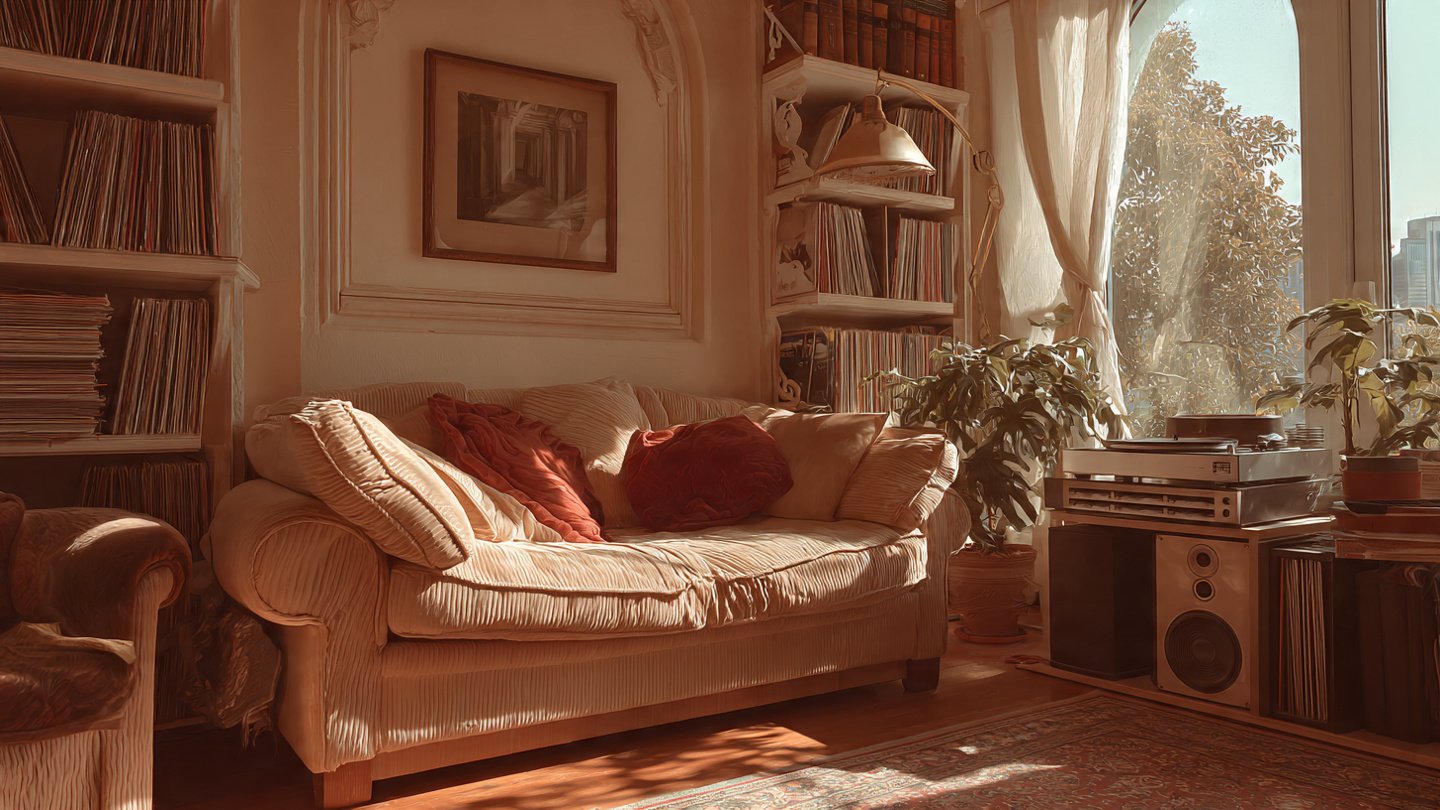

The Quest for Serenity
In today’s fast-paced world, the pursuit of serenity has become increasingly vital. Many people find themselves overwhelmed by the chaos of daily life, seeking refuge in places that promote calmness and clarity. A tidy home and quiet systems can serve as the sanctuary we need, allowing us to regain focus and breathe easily. But what exactly constitutes a serene environment, and how can we achieve it?
The Importance of a Tidy Home
A tidy home is often synonymous with a peaceful mind. When our surroundings are organized and neat, it reflects in our mental state. Here are some key reasons why maintaining a tidy home is crucial for achieving serenity:
- Reduced Stress: Clutter is scientifically proven to trigger cortisol, the stress hormone. By decluttering our living spaces, we can significantly reduce our stress levels.
- Enhanced Focus: When our environment is tidy, it becomes easier to concentrate on tasks. Distractions are minimized, facilitating better productivity.
- Improved Mood: A clean, organized space can enhance our mood and self-esteem. It creates a sense of accomplishment and control over our environment.
- Health Benefits: A tidy home is often cleaner, reducing allergens and germs, which can lead to better physical health.
Creating a Tidy Home: Essential Steps
Achieving a tidy home doesn’t have to be an overwhelming task. Here are some steps to help create a serene environment:
1. Declutter Regularly
Make it a habit to declutter your home regularly. Assess items in your living space and decide what you truly need. Consider donating or recycling items that no longer serve a purpose. This practice not only keeps your space tidy but also fosters a minimalist mentality.
2. Organize Thoughtfully
Once you’ve decluttered, organize your belongings in a thoughtful manner. Use storage solutions like boxes, baskets, and shelving to keep items in their designated places. Labeling can also aid in maintaining organization.
3. Establish a Cleaning Routine
Develop a consistent cleaning schedule. Break cleaning tasks into manageable portions, such as daily, weekly, and monthly chores. This prevents overwhelming build-up and ensures a consistently tidy environment.
4. Create Zones
Structure your space into distinct zones. For instance, designating areas for work, relaxation, and leisure helps in keeping activities separated, thus facilitating a more organized home environment.
Quiet Systems: A Cornerstone of Serenity
Just as a tidy home is essential, so is the presence of quiet systems. These systems refer to the appliances, technologies, and mechanisms in our homes that operate quietly, contributing to an overall peaceful atmosphere.
The Value of Quietness
The sounds we surround ourselves with can greatly impact our mood and mental clarity. A quiet home allows for peace and emotional stability. Here’s why quiet systems matter:
- Noise Reduction: Devices that operate quietly lessen overall noise pollution, enabling tranquility and focused concentration.
- Improved Sleep: A quieter environment is conducive to better sleep. Noisy appliances can disrupt rest, whereas silent systems promote uninterrupted slumber.
- Enhanced Communication: In a quiet home, communication flows more easily. Family members can converse without raising their voices, creating a harmonious atmosphere.
Implementing Quiet Systems
Transitioning to quieter systems can significantly enhance your home environment. Here are some tips:
1. Choose Quiet Appliances
When selecting appliances, consider their noise levels. Look for models that are specifically designed for quiet operation. Many modern appliances offer silent options that do not compromise on efficiency.
2. Use Soft Furnishings
Incorporating soft furnishings like cushions, rugs, and curtains can absorb sound, reducing noise levels in your home. These additions not only enhance aesthetics but also contribute to a serene atmosphere.
3. Master Soundproofing Techniques
Consider incorporating soundproofing measures in your home’s design. This can include installing soundproof doors and windows, using acoustic panels, or applying soundproofing materials during renovations.
4. Mindful Electronics Usage
Limit the use of electronic devices that generate noise. For instance, consider quiet modes on devices or the use of headphones for personal entertainment instead of loud speakers.
Combining Tidy Homes and Quiet Systems for Maximum Serenity
The synergy between a tidy home and quiet systems cultivates an environment that supports relaxation and peace of mind. When combined, they create a holistic living space conducive to emotional wellness and mental clarity.
Start by employing the techniques discussed above. Regularly assess your living space, incorporate soft furnishings, and opt for quiet appliances. Over time, you’ll find that the environment becomes increasingly serene, promoting a lifestyle that values tranquility.
Conclusion
The pursuit of serenity through tidy homes and quiet systems is not merely a trend; it is an essential practice that contributes to our well-being. In a world filled with chaos, creating environments that promote peace can make a significant difference in our lives. By embracing tidiness and quietness, we allow ourselves the opportunity to reconnect with our inner selves, improve our mental health, and cultivate a more balanced life. Start today by decluttering your space and investing in quiet systems, and you will undoubtedly experience the benefits of serenity in your daily routine.
Frequently Asked Questions (FAQs)
1. How often should I declutter my home?
It’s recommended to declutter every few months. However, some people find it beneficial to do a quick declutter session weekly or monthly to maintain a tidy environment.
2. What are some quiet appliances I can consider?
Look for appliances labeled as “quiet” or “noise-reducing.” Brands often provide product specifications regarding their noise levels. Some well-known quiet brands include Bosch for dishwashers and Miele for vacuum cleaners.
3. Can soft furnishings really make a difference in noise levels?
Yes, soft furnishings can help absorb sound and reduce echo in a room, creating a more peaceful atmosphere. Curtains, rugs, and cushions provide effective sound dampening.
4. How do I create a cleaning routine that works for me?
Start by listing out all the cleaning tasks and dividing them into daily, weekly, and monthly chores. Choose a cleaning day or time that fits your schedule and stick to it. Regular maintenance will make cleaning more manageable.
5. Is it necessary to adopt a minimalist lifestyle to achieve serenity?
While a minimalist lifestyle can contribute to a serene environment, it is not necessary. Simply being intentional about your belongings and maintaining an organized space can create the calm and clarity you seek.