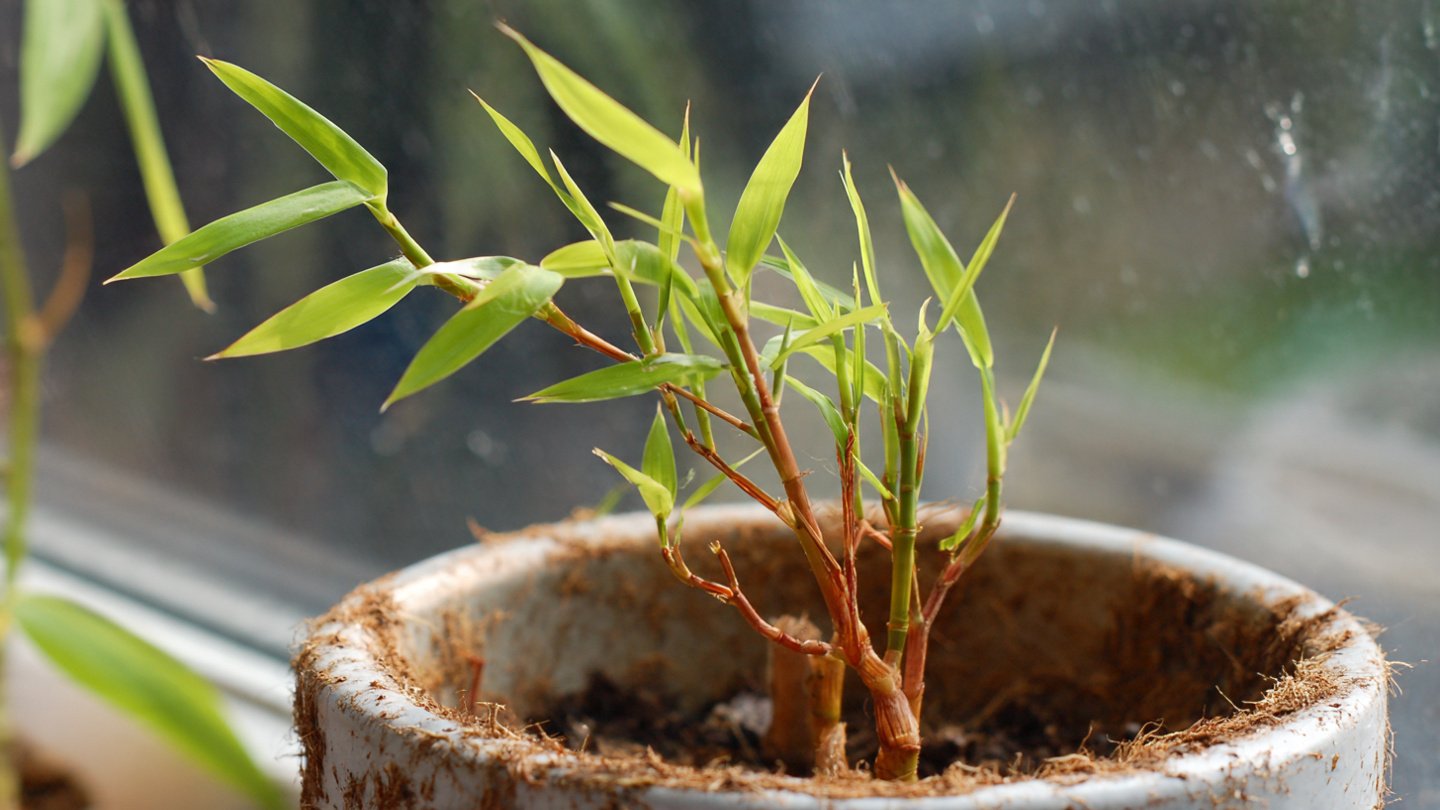

Bamboo is one of nature’s most versatile and resilient plants, cherished for its beauty, rapid growth, and variety of uses ranging from construction to decorative landscaping. Propagating bamboo from cuttings is a straightforward process that can yield impressive results with minimal effort. In this article, we’ll delve into the simple tricks you can utilize to propagate bamboo successfully, ensuring an abundant growth of this magnificent plant.
Understanding Bamboo
Bamboo is a type of grass, belonging to the Poaceae family, and consists of numerous species that thrive in diverse climates. Its fast growth and hardiness make it an ideal choice for gardeners and landscapers alike. Whether you’re looking to create a lush privacy screen or simply want to enjoy its elegant aesthetic, understanding how to propagate bamboo from cuttings is a key skill.
Types of Bamboo
Before we dive into propagation methods, it’s essential to know there are two categories of bamboo:
- Clumping Bamboo: This type grows in tight clusters and is less invasive. It’s ideal for home gardens and landscapes.
- Running Bamboo: This type spreads rapidly through rhizomes, which can sometimes create challenges in controlling its growth.
Both types can be propagated, but the methods may slightly vary based on their growth patterns.
The Benefits of Propagating Bamboo
- Cost-Effective: Bamboo is relatively expensive to purchase, especially when looking for specific species, making propagation a cost-effective choice.
- Increased Growth Rate: Once established, bamboo grows incredibly fast, providing quick results.
- Sustainability: Bamboo can be propagated using eco-friendly methods, reducing waste and encouraging sustainability practices in gardening.
Simple Steps to Propagate Bamboo from Cuttings
1. Selecting the Right Cuttings
The first step in propagating bamboo is selecting healthy cuttings:
- Choose the Right Time: Late spring to early summer is typically the best time for propagating bamboo. During this period, the plant experiences active growth, ensuring better survival rates for the cuttings.
- Find Healthy Stalks: Choose vigorous, mature culms (bamboo stalks) that are at least one year old. Avoid diseased or damaged plants.
2. Preparing the Cuttings
- Gather Materials: A sharp knife or pruning shears, a potting medium (like a rich soil mix), and pots or containers are essential.
- Take Cuttings: Cut a stalk that is at least 6–12 inches long. Make your cuts just below a node (the thick ring around the bamboo stalk) because roots and shoots will emerge from these nodes.
- Remove Leaves: Trim any leaves from the bottom half of the stalk to reduce water loss and focus energy on root development.
3. Planting the Cuttings
- Prepare the Potting Medium: Use a well-draining potting mix. You can enhance it with perlite or sand for better aeration.
- Plant the Cuttings: Insert the cut end of each cutting into the potting medium, burying at least one node beneath the surface. A good rule of thumb is to plant it about 2-3 inches deep.
- Watering: Water the cuttings lightly after planting to help settle the soil around the roots.
4. Creating the Ideal Environment
- Humidity: Bamboo prefers high humidity. Consider covering the pot with a clear plastic bag or placing it in a humid environment to retain moisture.
- Light: Place the cuttings in indirect sunlight. Too much direct sunlight can scorch the cuttings, while too little light can hinder growth.
- Temperature: Ideally, maintain a temperature between 65-75°F (18-24°C) for optimal growth.
5. Nurturing Your Cuttings
- Watering: Keep the soil consistently moist but not waterlogged. Overwatering can lead to rot, while underwatering can stunt growth.
- Fertilizing: After about a month, you can introduce a diluted, balanced fertilizer to encourage growth.
- Monitoring Growth: Keep an eye out for new shoots, which indicate successful rooting. This process can take anywhere from a few weeks to a couple of months.
6. Transplanting
Once your bamboo cuttings have established roots and are beginning to show new growth, it’s time to consider moving them to their permanent location:
- Choose the Right Spot: Bamboo prefers well-draining soil with sunlight for several hours a day. Consider how much space the plant will need, especially for running types.
- Transplanting Method: Carefully remove the bamboo from its pot, taking care not to damage the roots. Replant it in a prepared area or a larger pot, making sure to water it well after transplanting.
FAQs
Q1: Which types of bamboo are best for propagation from cuttings?
A: Most bamboo species can be propagated from cuttings, but clumping bamboo species like Bambusa and Fargesia typically perform better this way than running bamboo varieties.
Q2: How long does it take for bamboo cuttings to root?
A: Rooting can take anywhere from a few weeks to several months, depending on environmental conditions and the specific species of bamboo.
Q3: Can I propagate bamboo year-round?
A: While it is possible to propagate bamboo year-round, the best times are during the growing season, particularly in late spring or early summer, to ensure optimal growth.
Q4: What should I do if my cuttings aren’t growing?
A: Ensure they are in a suitable environment with enough humidity, light, and moisture. Check for any signs of rot or disease and remove any unhealthy cuttings.
Q5: Do bamboo cuttings need sunlight?
A: Yes, but they should be placed in indirect sunlight to prevent scorching. Too little light can hinder their growth, so find a balance that works for your setup.
Q6: Can I plant my bamboo in the ground right away?
A: It’s generally advised to first root your bamboo in pots before transplanting to the ground. This ensures that the cuttings have established roots and have a better chance of survival.
Conclusion
Propagating bamboo from cuttings is a simple and rewarding endeavor that can greatly enhance your garden or landscape. With the right knowledge and care, you can enjoy rapid growth and a lush, green environment. Whether you’re a seasoned gardener or just starting, these tricks will help you successfully nurture your bamboo cuttings into healthy plants. Happy gardening!