
Introduction to Lucky Bamboo
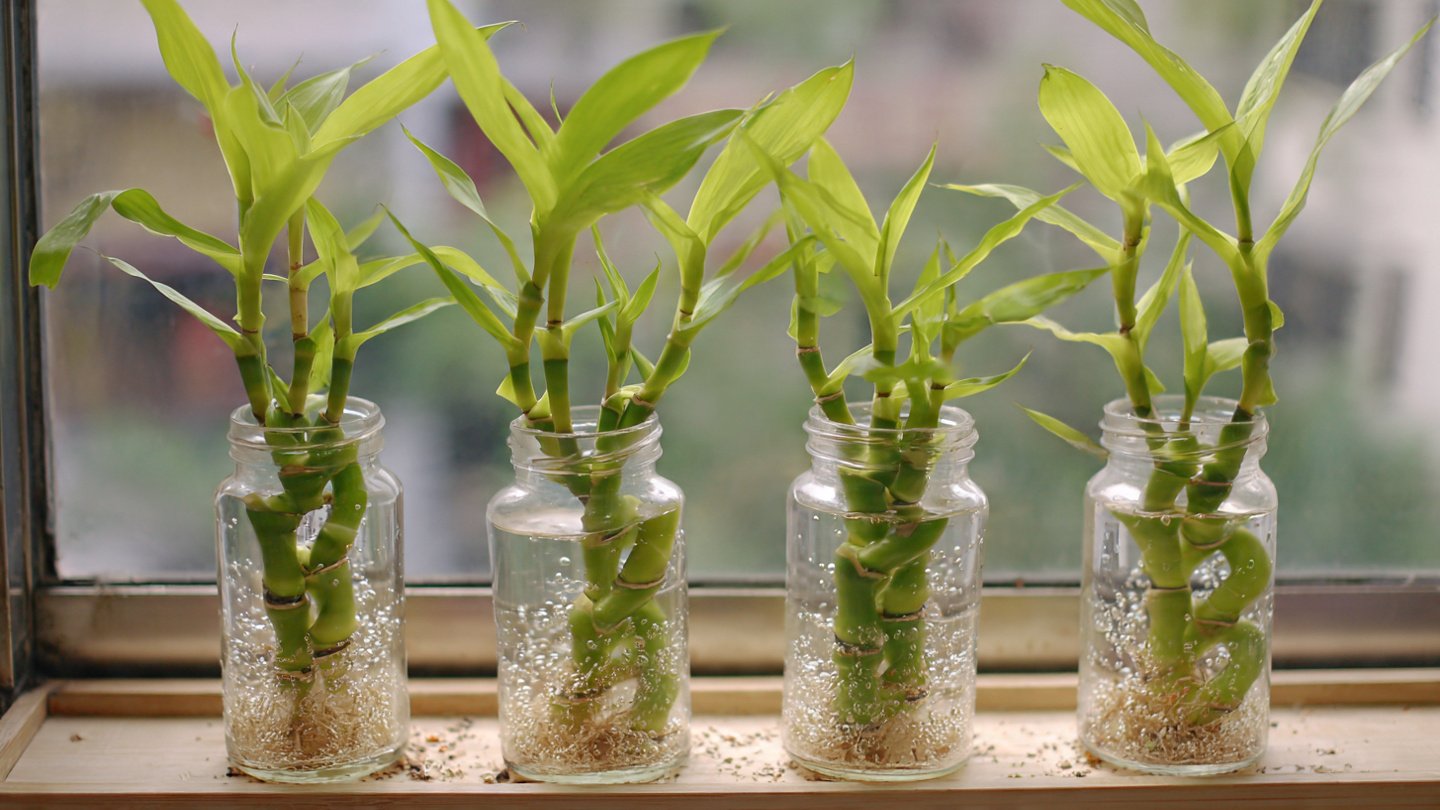
Lucky bamboo (Dracaena sanderiana) has long been revered for its association with good fortune, prosperity, and positive energy in many cultures, particularly in Asian traditions. With its unique spiral shape, it not only adds aesthetic appeal to any space but is also relatively easy to care for. Cultivating spiral-shaped lucky bamboo at home can be a rewarding endeavor and is achievable even for gardening novices. This article will explore simple techniques to grow this fascinating plant and address common FAQs.
Understanding Lucky Bamboo
The Basics
- Origin: Native to the tropical rainforests of Cameroon, lucky bamboo is characterized by its slender green stalks, which can grow straight or spiral. The spiral shape is created through a process of manipulation during growth.
- Ideal Conditions: Lucky bamboo thrives in bright, indirect light and prefers warm temperatures. It is often grown in water, making it distinct from other houseplants.
Benefits
Lucky bamboo is said to bring various benefits, including:
- Air Purification: It removes toxins from the air, improving indoor air quality.
- Aesthetic Appeal: Its unique spiral shape and vibrant green color enhance the décor of any space.
- Stress Reduction: The presence of plants in your home can reduce stress levels and enhance mood.
Cultivating Spiral-Shaped Lucky Bamboo
1. Selecting the Right Cuttings
The journey begins with selecting healthy lucky bamboo cuttings. Here are some tips:
- Choose Healthy Stalks: Look for firm stalks without blemishes or discoloration. A healthy cutting will typically have fresh, bright green color.
- Opt for Spiral-Shaped Stalks: If you’re looking for the spiral form, you may need to either purchase them or learn how to manipulate straight stalks into spirals (discussed below).
2. Propagation Techniques
You can propagate lucky bamboo from a single stalk or several cuttings. Here’s how:
- Using Water: Place the cut end of the stalk in water, ensuring that at least one node (the bump where leaves grow) is submerged. Change the water every two weeks to prevent stagnation.
- Using Soil: Alternatively, you can plant the cuttings in well-draining potting soil, water lightly, and ensure proper drainage to avoid root rot.
3. Creating the Spiral Shape
Your lucky bamboo cuttings will grow straight unless trained otherwise. Here are some methods:
- Natural Light Manipulation: Place the stalks in a location where light is limited to one side. Rotate the cuttings every couple of days; they will naturally bend towards the light, gradually forming a spiral.
- Use of Supports: You can create a spiral shape by guiding the stalks around a support structure, such as a bamboo stake or wire frame, securing them gently with soft material.
4. Providing the Right Conditions
Whether you choose to grow your lucky bamboo in water or soil, attention to environmental conditions is crucial.
- Lighting: Lucky bamboo prefers bright, indirect sunlight. Too much direct sunlight can scorch its leaves, while too little light can hinder growth.
- Watering: If growing in water, ensure you are using filtered, distilled, or rainwater, as tap water may contain chemicals that are harmful to the plant. For soil, water when the top inch feels dry.
5. Nutrient Requirements
Lucky bamboo is relatively low in nutrient needs, but providing regular feeding can promote better growth.
- Fertilizing: Use a diluted liquid fertilizer designed for houseplants once a month, particularly in the growing season (spring and summer). Avoid over-fertilizing, as this can harm the plant.
6. Pruning and Maintenance
Regular maintenance helps to keep your lucky bamboo healthy:
- Pruning: Trim any yellow or damaged leaves to encourage healthy growth. You can also prune the stalks to maintain the desired height.
- Re-potting: If your plant outgrows its container or becomes root-bound, consider transferring it to a larger pot with fresh soil or a larger water container.
Common Issues and Troubleshooting
1. Yellowing Leaves
- Causes: This usually indicates overwatering or poor lighting conditions.
- Solutions: Ensure proper drainage and check that the plant is receiving the right amount of light.
2. Stunted Growth
- Causes: This can be a result of nutrient deficiencies or insufficient light.
- Solutions: Adjust the lighting and consider fertilizing.
3. Rotting Roots
- Causes: This occurs due to inadequate drainage or stagnant water.
- Solutions: If roots are rotting, switch to well-draining soil or ensure water is fresh and clean.
FAQs about Lucky Bamboo Cultivation
1. How much light does lucky bamboo need?
Lucky bamboo thrives in bright, indirect sunlight. Too much direct sunlight can scorch the leaves.
2. Can lucky bamboo grow in just water?
Yes, lucky bamboo can grow well in water. Ensure you use filtered or distilled water and change it regularly.
3. How often should I water my lucky bamboo?
If grown in water, change the water every two weeks. If planted in soil, water when the top inch feels dry.
4. Can I fertilize my lucky bamboo?
Yes, you can use a diluted liquid fertilizer once a month, especially during the growing seasons of spring and summer.
5. How do I encourage a spiral shape in my lucky bamboo?
You can train the stalks to spiral by manipulating light exposure or using supports to guide the growth.
6. What should I do if my lucky bamboo has yellow leaves?
Yellow leaves often indicate overwatering or inadequate light. Adjust watering habits and ensure proper light exposure.
7. Is lucky bamboo safe for pets?
While lucky bamboo is non-toxic to humans, it can be toxic to pets like cats and dogs if ingested. Keep it out of their reach if you have pets.
Conclusion
Cultivating spiral-shaped lucky bamboo at home is both an art and a science. By following the techniques outlined in this article and being attentive to the plant’s needs, you can create a lively, nurturing environment that not only beautifies your space but also invites good fortune. Whether you’re a seasoned gardener or just starting, lucky bamboo offers a fantastic opportunity to explore the joys of plant care and foster a positive ambiance in your home. Happy planting!