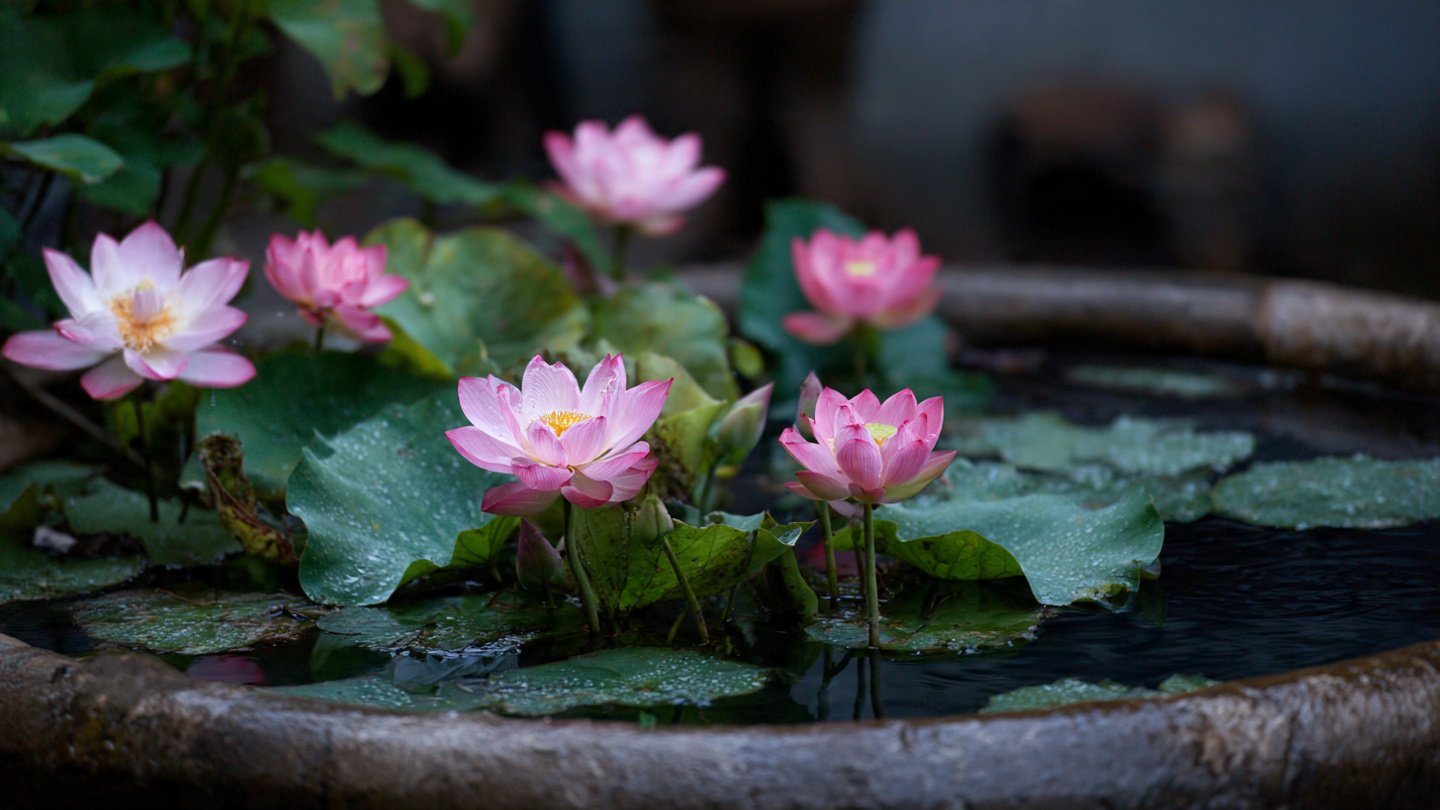

Lotus plants are revered for their stunning beauty and serene nature, symbolizing purity and enlightenment across various cultures. Growing lotus in a tub is an accessible and rewarding endeavor for beginners, allowing you to enjoy their magnificent flowers and lush foliage even in small spaces. In this article, we will delve into simple steps to cultivate lotus plants successfully in a tub, covering everything from choosing the right tub to essential care tips.
1. Understanding Lotus Plants
Types of Lotus
There are two main types of lotus plants:
-
Nymphaea (Water Lily): These are hardier and can thrive in various climates, making them suitable for beginners.
-
Nelumbo (True Lotus): These are more delicate and often require a more controlled environment to flourish.
For beginners, Nymphaea species are usually recommended due to their ease of care and robust nature.
Lotus Growth Requirements
Before starting your journey, it’s essential to understand what your lotus plant needs to thrive:
-
Sunlight: Lotus plants prefer full sunlight. Ensure they receive at least 5-6 hours of direct sunlight daily.
-
Water: Lotus thrives in water, needing 6-12 inches of water for optimal growth.
-
Temperature: They prefer warmer temperatures ranging from 70°F to 90°F (21°C to 32°C).
2. Selecting the Right Tub
When it comes to growing lotus in a tub, the container you choose plays a crucial role.
Size and Material
-
Capacity: Choose a tub that holds at least 10-20 gallons of water for a mature lotus plant. Larger tubs or half barrels are great options.
-
Material: Fiberglass, plastic, or ceramic tubs work well. Avoid metal containers, as they can heat up excessively.
Drainage
While lotus plants love water, they do not want to sit in stagnant water. Keep in mind the need for drainage but ensure the tub retains enough water for the roots to submerge.
3. Soil Preparation
Choosing the right soil is vital for healthy lotus growth.
Soil Type
- Heavy Clay Soil: Lotus plants thrive in heavy, nutrient-rich clay soil, which retains moisture. Avoid loose or sandy soils as they will not provide the necessary support and nutrients.
Soil Mixture
A good soil mixture for lotus includes:
- 50% clay soil
- 30% organic compost
- 20% potting mix or loam
Mix them thoroughly to ensure a consistent texture that retains moisture and provides nutrition.
4. Planting Your Lotus
Choosing the Right Season
The best time to plant lotus is in the spring when temperatures begin to rise and daytime sunlight increases.
Planting Process
-
Prepare the Tub: Fill your tub with water, leaving about 6 inches empty at the top.
-
Plant the Tubers: Carefully plant the lotus tuber (the underground stem) upright in the soil, with the growing tip facing up. Bury it about 2-4 inches deep.
-
Top with Soil: Place a thin layer of gravel or small stones on top of the soil to prevent the soil from floating and to help hold it in place.
-
Introduce Water: Gently fill the tub with water, ensuring that the tuber’s growing tip is above the waterline.
-
Position the Tub: Place the tub in a location where it receives full sunlight.
5. Caring for Your Lotus
Watering
- Regular Water Level Checks: Ensure the water level remains at least 6-12 inches. Top off the tub regularly, especially during hot, sunny days.
Fertilizing
Feed your lotus plant with a slow-release fertilizer specifically formulated for aquatic plants or use half-strength liquid fertilizer every few weeks.
Pruning
Remove any dead or yellowing foliage to encourage new growth and keep the plant healthy.
Pest Control
Regularly check for pests like aphids and snails. Use natural pest control methods, such as insecticidal soap or neem oil, to keep them at bay.
6. Enjoying Your Lotus
Waiting for Blooms
Lotus plants typically bloom in mid to late summer, depending on the species and environmental conditions. Enjoy the journey, as blooms can be a true reward for your care!
Seasonal Care
In late fall, reduce the watering level and allow the lotus to go dormant. Move the tub to a sheltered area if the winters are harsh, or cover it with frost protection to prevent the tubers from freezing.
7. Troubleshooting Common Issues
Poor Growth
If your lotus isn’t growing well:
- Check if it’s receiving adequate sunlight.
- Ensure the water level and soil quality are appropriate.
Wilting Leaves
Wilting may indicate lack of water or excess heat. Adjust the water level and ensure cooler conditions.
Yellow Leaves
Yellowing can indicate nutrient deficiency or over-fertilization. Review your feeding schedule and adjust accordingly.
FAQs
1. How often should I change the water in my lotus tub?
You generally don’t need to change all the water frequently. Instead, regularly check the water level and top it off. However, if the water becomes dirty or stagnant, change about 25% every few weeks.
2. Can I grow lotus inside my home?
While lotus plants prefer full sunlight, you can grow them indoors with proper lighting. Use grow lights to mimic natural sunlight and ensure the plant receives adequate light for 5-6 hours a day.
3. What is the best way to manage pests on lotus plants?
Use organic pest control methods like insecticidal soap or neem oil. Hand-picking larger pests like snails and removing them can also help.
4. Is it possible to grow lotus in a small container?
Yes, but the smaller the container, the more diligent you’ll need to be about water levels and care. A larger tub is preferable for healthier growth, but smaller containers can work with attention to detail.
5. How do I store lotus tubers over winter?
If you live in colder climates, you can store lotus tubers by removing them from the tub, cleaning them, and placing them in a container filled with water or moist sand. Keep them in a cool, dark place until spring.
6. How long does it take for the lotus to bloom?
Lotus plants typically take about 6-8 weeks from planting to bloom, depending on the species and environmental conditions, including sunlight and temperature.
7. What should I do if my lotus doesn’t bloom?
If your lotus isn’t blooming, ensure it receives plenty of sunlight and proper fertilization during the growing season. Be patient; some species bloom later in the season.
By following these straightforward steps and guidelines, you’ll create a thriving aquatic garden right in your own home. Not only will your lotus plants enhance your outdoor space, but they will also provide a sense of tranquility and beauty that is hard to replicate. Bon gardening!