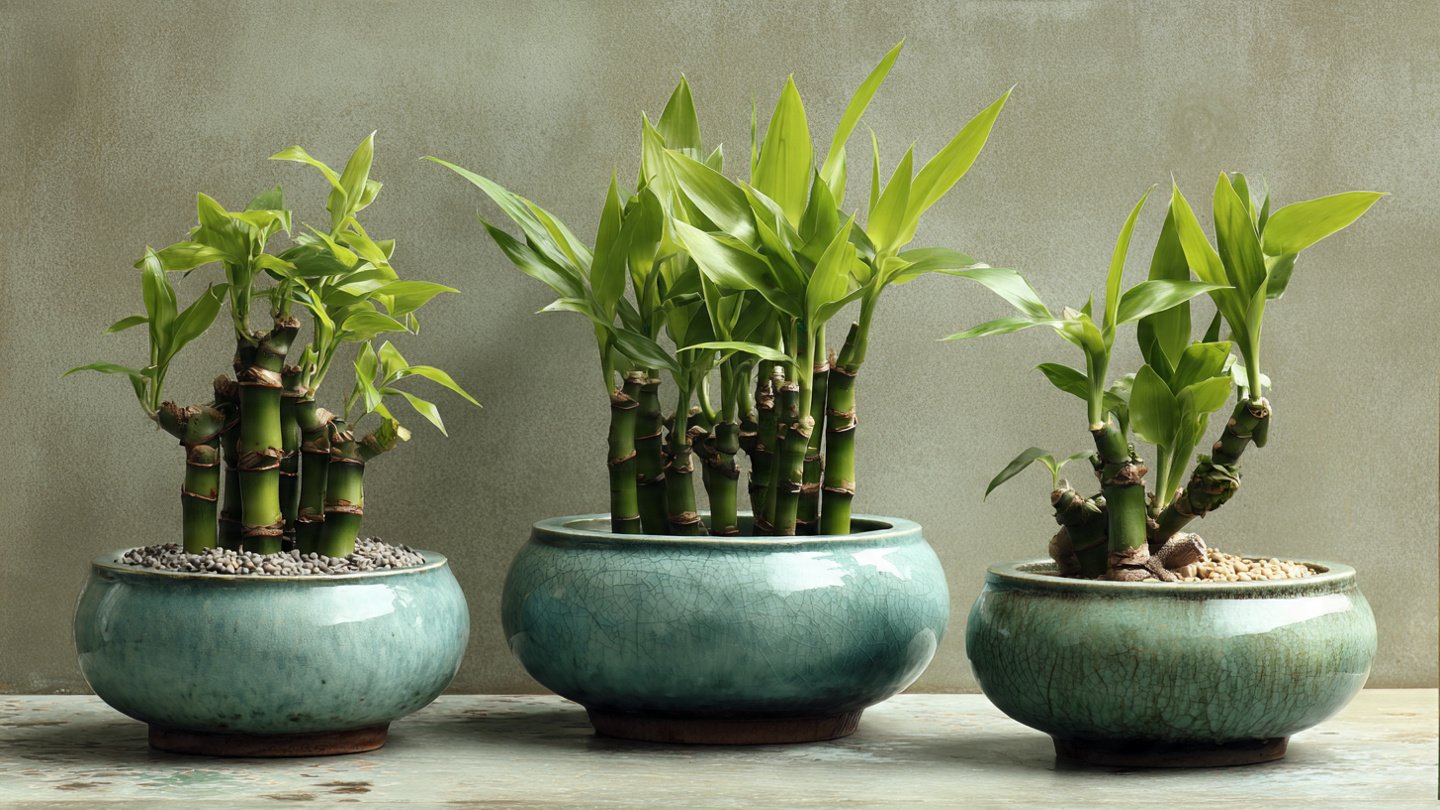

Lucky bamboo (Dracaena sanderiana) has become increasingly popular due to its aesthetic appeal and symbolic significance in many cultures. Often associated with good luck, prosperity, and positive energy, it’s a delightful addition to both homes and offices. Offsetting its charm is the ease of caring for lucky bamboo, making it an excellent choice for beginners and experienced plant enthusiasts. In this article, we delve into straightforward methods for growing lucky bamboo in a bowl, ensuring a vibrant and thriving plant.
What is Lucky Bamboo?
Lucky bamboo is not actually bamboo, but a member of the Dracaena family. It thrives in water, making it particularly suited for bowl arrangements. While it is often associated with Feng Shui practices, it can also elevate the aesthetics of any space.
Choosing the Right Bowl
The first step in successfully growing lucky bamboo is selecting an appropriate bowl. Here are some important factors to consider:
Size and Shape
- Depth: A bowl should be deep enough to support the growth of roots—typically around 6-8 inches deep.
- Width: A wider bowl will provide more stability and allow for better water retention.
- Material: Glass bowls are popular since they provide visibility to the root system, allowing you to monitor growth and water levels.
Drainage
While lucky bamboo thrives in water, the bowl should ideally be designed to drain excess water if necessary. However, most setups with lucky bamboo involve keeping roots submerged in water, so elaborate drainage systems aren’t as necessary.
Selecting the Right Lucky Bamboo
When purchasing lucky bamboo, look for healthy stalks that are green and firm. Avoid plants with yellowing leaves or signs of rot. You can often find lucky bamboo at garden centers, florist shops, or online retailers.
Preparing the Water
Lucky bamboo can grow well in both distilled water and tap water. However, there are some considerations:
Tap Water
If using tap water, allow it to sit for 24 hours before using it for your lucky bamboo. This process helps to dissipate chlorine and other chemicals that can be harmful to the plant.
Distilled Water
Using distilled or bottled water can be more beneficial, as it lacks chlorine and other additives. This water is ideal for providing a clean environment for the roots.
Basic Care Tips
Once you’ve set up your bowl and chosen your lucky bamboo plant, it’s vital to take care of it properly. Here are some essential care tips:
Water Level
Maintaining the right water level is crucial. Ensure the roots are submerged but don’t submerge the stalks to prevent rot. Change the water every two to four weeks to keep it fresh.
Sunlight Requirements
Lucky bamboo thrives in indirect sunlight. Placing it near a window that receives filtered sunlight is ideal. Avoid direct sunlight, as it can scorch the leaves and affect growth negatively.
Temperature
Lucky bamboo prefers a warm environment. Aim to keep the temperature between 65°F and 90°F (18°C to 32°C). Avoid placing it near drafts, heating vents, or air conditioning units, as sudden temperature changes can stress the plant.
Fertilization
Although lucky bamboo can thrive in water, occasional fertilization can help it grow faster. Use a liquid fertilizer designed for houseplants, diluted to one-quarter of its recommended strength. Fertilize every couple of months during the growing season (spring and summer).
Pruning and Shaping
Pruning your lucky bamboo is essential for maintaining its health and shape. Here’s how to do it:
Trimming
You can trim the stalks if they become too tall. Make sure to use clean, sharp scissors. Cut just above a node, where leaves emerge. This technique encourages the plant to grow more branches.
Shaping
Lucky bamboo can be trained to grow in particular shapes. To encourage twists or curves, gently bend the stalks while they are young and flexible. You can also use stakes to support the desired shape.
Common Pests and Problems
While lucky bamboo is relatively resilient, it can be susceptible to certain pests and problems:
Pests
- Mealybugs: Look for white, cotton-like substances on the plant. Treat with insecticidal soap or by wiping the affected areas with alcohol.
- Spider Mites: High temperatures and low humidity can lead to spider mite infestations. Increase humidity or wash the plant with a gentle spray of water.
Disease
- Yellowing Leaves: This can indicate overwatering or too much direct sunlight. Adjust water levels or light conditions as needed.
- Root Rot: If the roots appear brown and mushy, it may be a sign of root rot. Trim away affected roots and change the water.
Propagation Techniques
If you’re looking to expand your lucky bamboo collection, propagation is straightforward. Here’s how to do it:
- Choose a healthy stalk: Select a stalk with at least one node (the section where leaves emerge).
- Cut the stalk: Use clean scissors or pruning shears to make a clean cut just above a node.
- Place in water: Submerge the cut end in water and keep it in a spot with indirect sunlight.
- Wait for roots: In a few weeks, you should start to see new roots developing. Once the roots are a few inches long, you can transfer it to a new bowl.
Decorating Your Lucky Bamboo Bowl
You can enhance your lucky bamboo’s aesthetic appeal by adding decorative stones, crystals, or marbles at the base of the bowl. Choose colors that resonate with the plant’s symbolism, such as green for growth and harmony. Just ensure that these decorations do not obstruct the roots.
Maintaining Company with Other Plants
Lucky bamboo does well alongside other houseplants that thrive in similar conditions. Consider pairing it with:
- Peace Lily: This plant thrives in similar light and water conditions.
- Spider Plant: Known for its resilience and air-purifying qualities, it complements lucky bamboo nicely.
Creating a Zen Atmosphere
Integrating lucky bamboo into your home decor can contribute to a tranquil environment. Pair it with other Feng Shui elements, like flowing water features or wind chimes, to enhance the calming effect.
Conclusion
Growing lucky bamboo in a bowl is a fulfilling endeavor that not only beautifies your living space but also brings an aura of positivity and good luck. By adhering to the guidelines outlined in this article—selecting the right bowl, ensuring proper care, and troubleshooting common issues—you can cultivate a healthy and vibrant plant.
With patience and attention to detail, your lucky bamboo can flourish and thrive. It serves as a magnificent gift for friends and family or a peaceful addition to your own collection. Whether you are a beginner or an experienced plant enthusiast, lucky bamboo will continue to spread joy and good vibes in your space.
FAQs
1. Can I grow lucky bamboo in soil?
While lucky bamboo can be grown in soil, it is traditionally cultivated in water. Soil may require more maintenance than water, especially concerning drainage and moisture levels.
2. How often should I change the water?
It’s usually best to change the water every 2-4 weeks to prevent stagnation and to keep the plant healthy.
3. Can lucky bamboo survive without sunlight?
Lucky bamboo can survive in low light conditions, but it thrives best in bright, indirect sunlight. Prolonged exposure to dark environments may stunt its growth.
4. What should I do if my bamboo starts to yellow?
Yellowing leaves can indicate overwatering or too much direct sunlight. Adjust the water levels and ensure the plant is receiving appropriate light conditions.
5. Is lucky bamboo toxic to pets?
Lucky bamboo is generally considered non-toxic to pets, making it a safe option for homes with animals. However, ingestion of any plant material can cause mild gastrointestinal upset.
6. How can I increase humidity for my lucky bamboo?
To increase humidity, you can mist the leaves occasionally or place a small humidifier nearby. Grouping your lucky bamboo with other plants can also help raise humidity levels.
By following these simple methods and addressing common concerns, you can successfully enjoy and cultivate captivating lucky bamboo in your home. Happy planting!