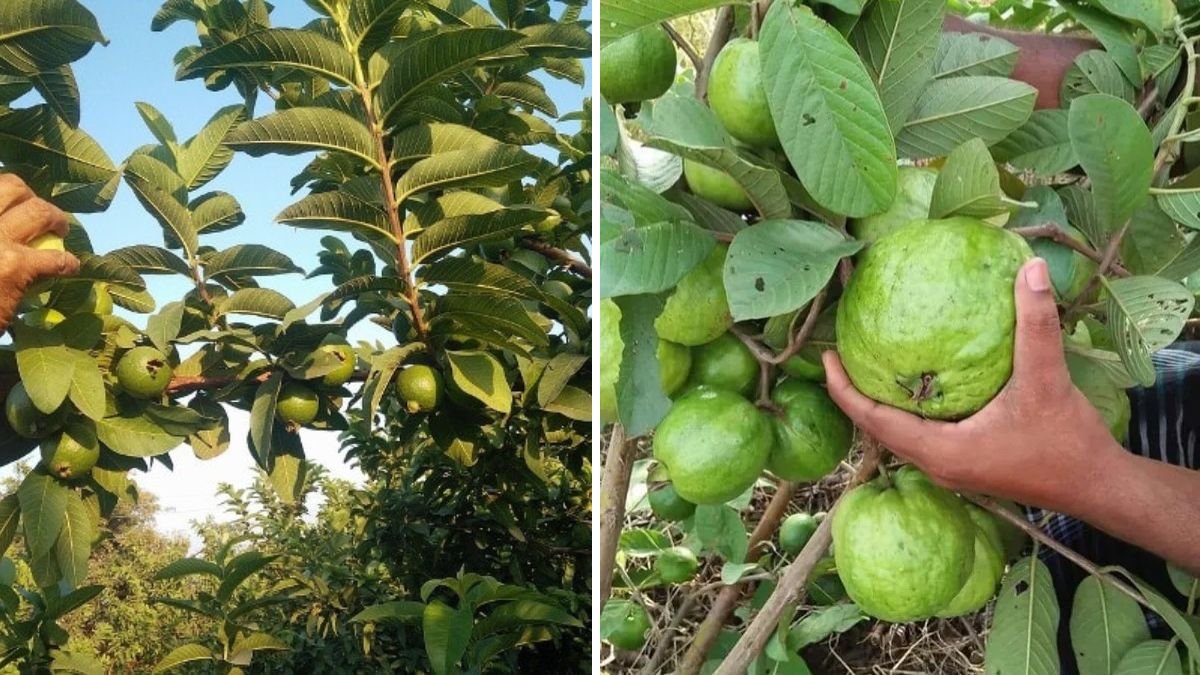

Guava, often called the “apple of the tropics,” is a popular fruit tree due to its delicious flavor, high vitamin content, and adaptability. While guava trees can be grown from seeds, seed-grown trees often take 5–8 years to bear fruit, and the fruits may vary in quality.
This is where grafting comes in. Grafting is a horticultural technique that allows you to combine the best qualities of two guava plants—producing faster-growing, uniform, and high-yielding trees. Thanks to new methods developed by modern horticulturists, propagating guava trees through grafting has become easier, more reliable, and suitable even for home gardeners.
In this guide, we explore the latest methods for grafting guava trees, step-by-step techniques, expert tips, and how you can get healthy, fruit-bearing guava trees quickly.
🍈 Why Use Grafting for Guava Trees?
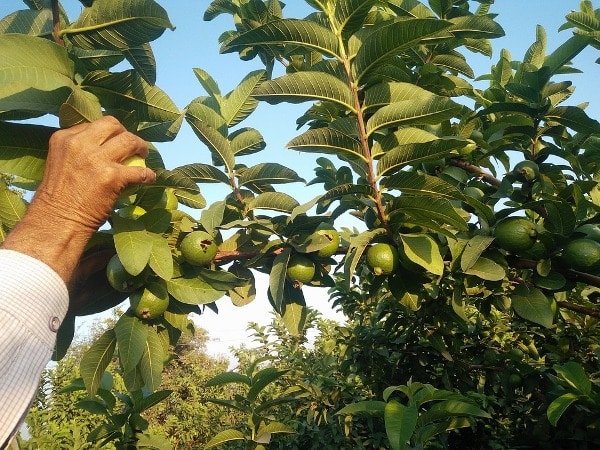
✔ Faster Fruiting
Unlike seed-grown guavas, grafted trees begin fruiting in 2–3 years.
✔ Improved Fruit Quality
You get uniform fruits with consistent taste, size, and color.
✔ Disease Resistance
Selecting healthy rootstocks and scions reduces disease risk.
✔ Space Efficiency
Grafted guavas can be trained into dwarf or compact forms, perfect for small gardens.
✔ High Yield
Grafting increases flower production and fruit set, maximizing output.
🌱 Understanding the Basics of Guava Grafting
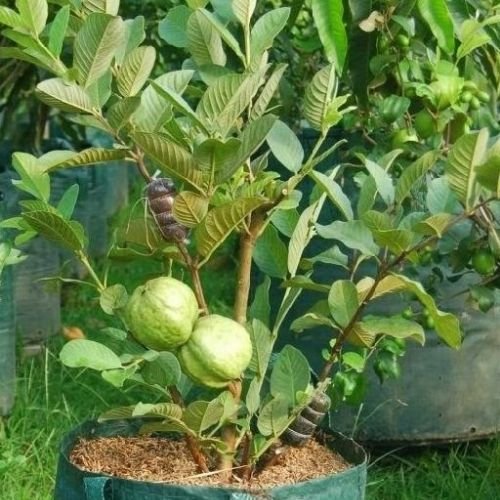
Grafting involves joining a scion (desired fruit branch) with a rootstock (the base plant) so that they grow as a single tree. Key components:
- Rootstock – provides strong roots, disease resistance, and faster growth.
- Scion – the branch or bud from a superior guava variety that produces high-quality fruit.
- Grafting Union – where the scion and rootstock join and fuse together.
A successful graft depends on compatibility, timing, and proper care.
🛠 New Methods for Grafting Guava Trees
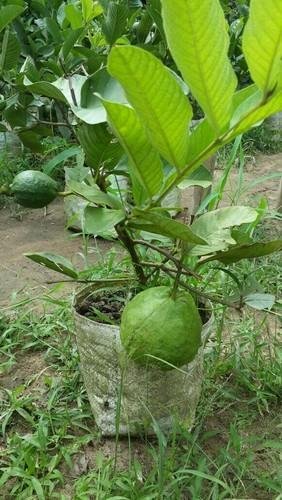
Modern horticulturists have developed several new grafting methods that are highly successful for guavas.
1️⃣ Approach Grafting (Inarching)
This method is ideal for beginners and has high success rates.
Steps:
- Select a healthy rootstock and scion.
- Bring a scion branch close to the rootstock without cutting either plant completely.
- Make matching slits on both the scion and rootstock.
- Join them together and tie firmly with grafting tape or plastic strip.
- Wait for the graft union to form (usually 4–6 weeks).
- Once fused, cut the scion above the union to encourage full growth.
Advantages:
- High success rate
- Minimal risk of scion drying
- Works for older plants
2️⃣ Cleft Grafting (Modified Technique)
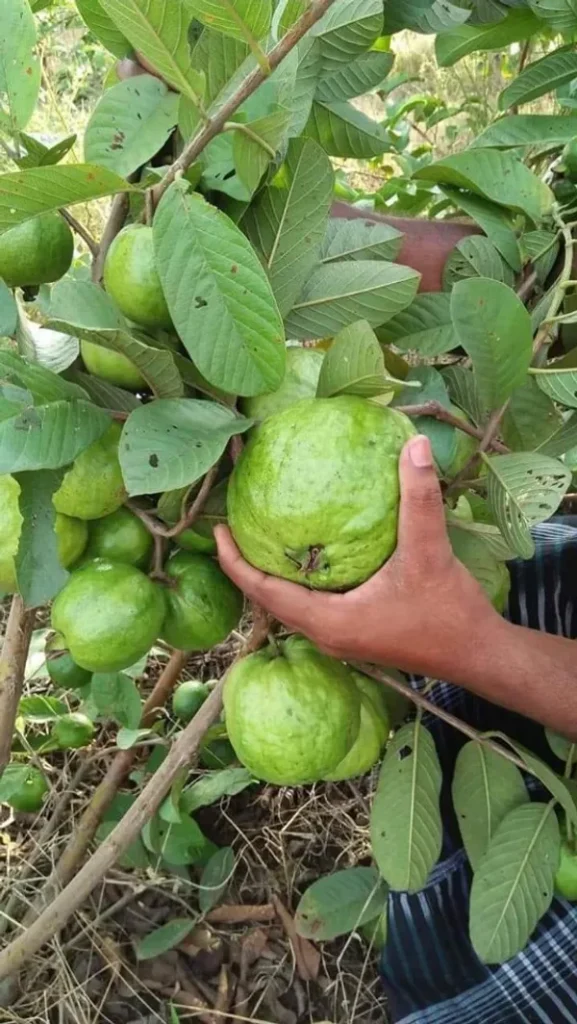
This method is widely used for hardwood guava trees.
Steps:
- Choose a 1-year-old rootstock and healthy scion of similar thickness.
- Make a vertical cleft at the tip of the rootstock.
- Shape the scion into a wedge and insert it into the cleft.
- Secure the graft with grafting tape or parafilm.
- Cover with grafting wax to prevent moisture loss.
- After 3–4 weeks, check for callus formation and successful union.
Advantages:
- Stronger graft union
- Excellent for mature plants
- Produces uniform growth
3️⃣ Side Veneer Grafting (High Success for Young Plants)
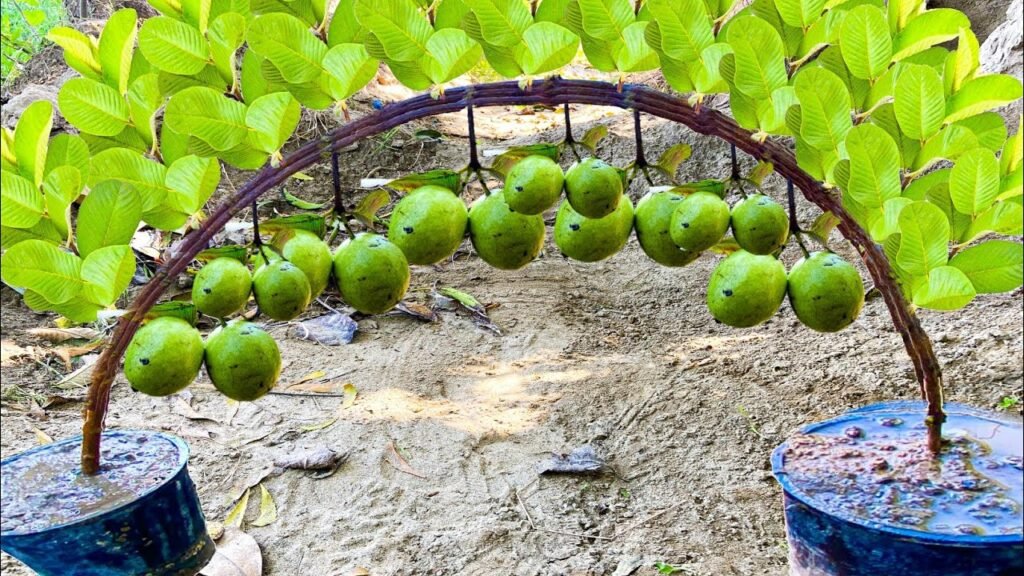
This is a modern modification of the traditional veneer grafting method.
Steps:
- Cut a slanting notch on the side of the rootstock.
- Prepare the scion with a matching slant.
- Slide the scion into the notch carefully.
- Bind with grafting tape and cover with wax.
- Maintain humidity by shading for 1–2 weeks.
- Observe new growth after 3–4 weeks.
Advantages:
- Quick healing
- Works on thin and young rootstocks
- Can produce multiple grafts on a single tree
4️⃣ Bud Grafting (Budding)
Bud grafting uses a single bud instead of a whole branch.
Steps:
- Select a healthy bud from a high-quality guava variety.
- Cut a small T-shaped slit on the rootstock.
- Insert the bud under the bark carefully.
- Wrap with grafting tape and seal with wax.
- After 3–4 weeks, the bud will sprout.
- Cut back the rootstock above the bud to encourage growth.
Advantages:
- Requires less scion material
- Useful for mass propagation
- Minimizes stress on the plant
🌿 Best Practices for Successful Guava Grafting
- Timing is Key
- Spring and early rainy season are best
- Avoid extreme heat or cold
- Use Healthy Plant Material
- Select disease-free scion and rootstock
- Avoid weak or damaged plants
- Keep the Union Moist
- Use grafting wax or parafilm to prevent drying
- Mist lightly if needed
- Provide Shade and Care
- Keep grafts out of direct sun for 2–3 weeks
- Water the rootstock regularly without waterlogging
- Regular Observation
- Check graft for any infections
- Remove dead or weak branches immediately
🌱 Advantages of New Grafting Methods
- Higher success rates than traditional methods
- Faster growth and fruiting
- More uniform plants with predictable fruit quality
- Adaptable to different guava varieties
- Can be applied at home or in commercial orchards
⚠ Common Problems and How to Fix Them
❌ Scion Drying Out
- Caused by exposure to sun or wind
Fix: Rewrap with tape and apply wax
❌ Weak Callus Formation
- Caused by poor alignment of scion and rootstock
Fix: Ensure cambium layers match perfectly
❌ Pest Infestation
- Aphids, mealybugs, or ants
Fix: Spray neem oil or insecticidal soap
❌ Graft Failure
- May happen if rootstock or scion is unhealthy
Fix: Always use disease-free, vigorous plant material
🌳 Tips for Aftercare
- Remove shoots from rootstock below graft
- Support young grafts with sticks if needed
- Fertilize with organic manure every 45 days
- Mulch around the base to retain moisture
- Monitor for fungal infections and treat early
🍈 When Will Grafted Guava Trees Start Producing Fruit?
- Seed-grown trees: 5–8 years
- Grafted trees: 2–3 years
With proper care, these new methods ensure:
- Healthy, fast-growing trees
- Bigger, tastier fruits
- Increased flower production
- Stronger plant structure
🌟 Conclusion
Grafting guava trees using these new methods is a game-changer for home gardeners and commercial growers alike. Whether you choose approach grafting, cleft grafting, side veneer grafting, or bud grafting, each technique offers:
- Faster fruiting
- Uniform fruit quality
- Strong and healthy plants
With proper selection of scion and rootstock, careful execution, and good aftercare, anyone can successfully propagate guava trees at home or in orchards.
Start today and enjoy the satisfaction of growing high-yielding, delicious guavas in record time! 🌳🍈