

Papaya is one of the most popular tropical fruits, valued for its sweet, juicy flesh, vibrant color, and high nutritional content. While growing papaya from seeds is common, it can take years for the plant to mature and bear fruit. One of the most efficient ways to propagate papaya and achieve quick growth and early fruiting is through air layering. This technique allows gardeners to create healthy, productive plants identical to the parent tree without waiting for seeds to germinate.
In this comprehensive guide, we will explain how to do papaya air layering right, covering step-by-step instructions, care tips, common challenges, and strategies for ensuring success.
Why Choose Air Layering for Papaya?
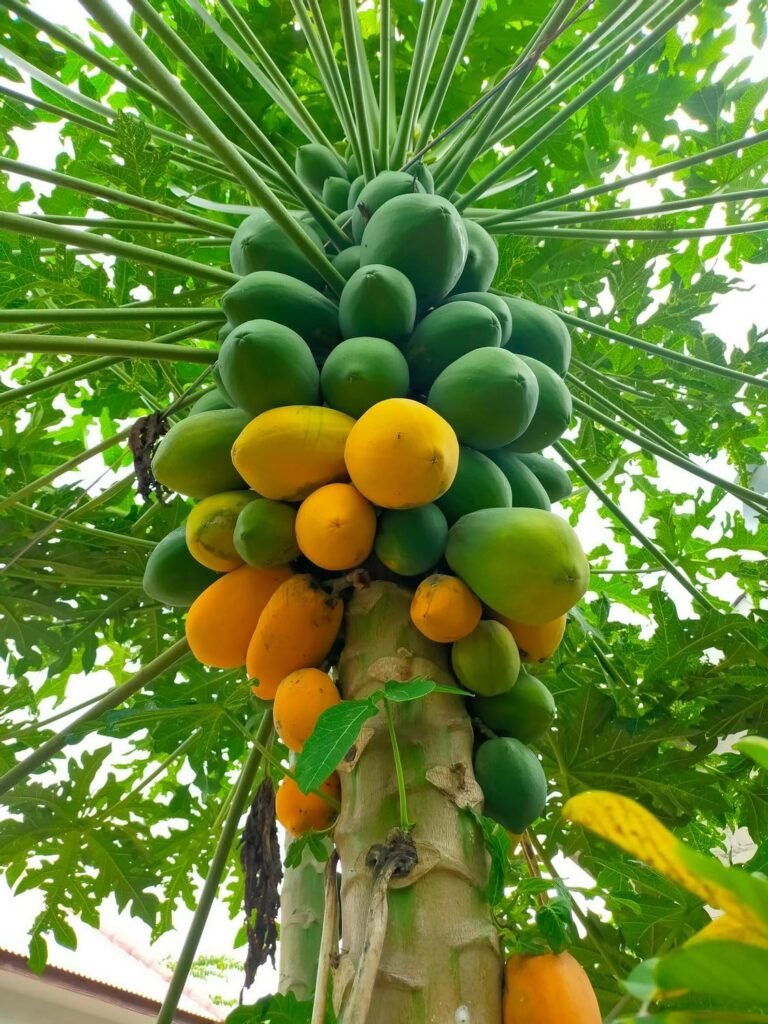
Air layering is a form of vegetative propagation where roots are induced on a branch while it is still attached to the parent tree. For papaya, this method has several advantages:
- Faster Fruiting: Air-layered plants can bear fruit sooner than seed-grown ones.
- Genetic Consistency: Ensures the new plant inherits the parent’s desirable traits, including fruit quality and growth habits.
- High Success Rate: Air layering is often more successful than traditional stem cuttings for papaya.
- Space Efficiency: Propagation can occur without removing the entire branch or tree.
- Low Maintenance: Requires minimal tools and effort compared to other propagation techniques.
This makes air layering ideal for home gardeners, small farms, and anyone looking to maximize papaya yield efficiently.
Materials Needed for Papaya Air Layering
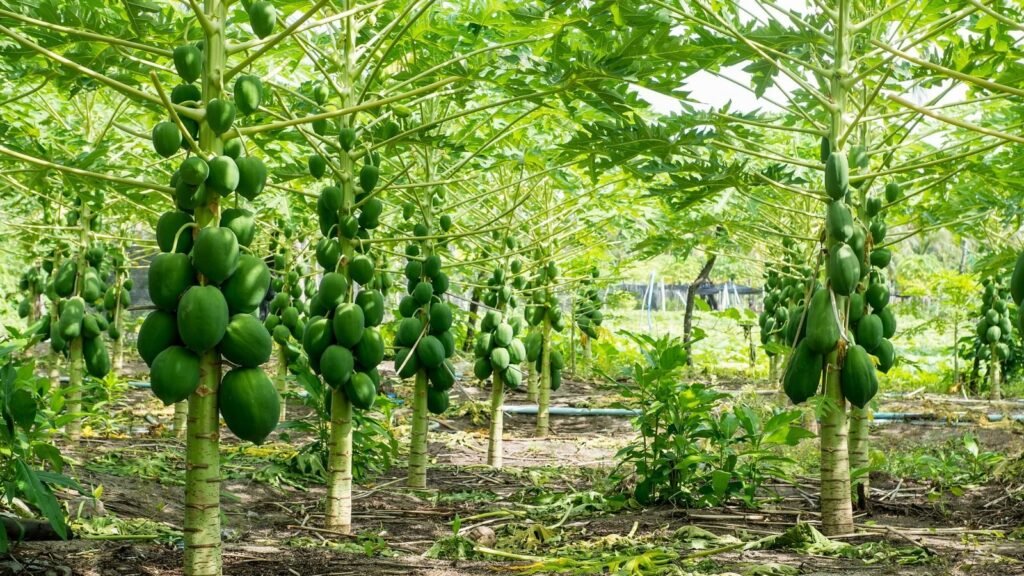
To air layer papaya effectively, gather the following materials:
- Healthy parent papaya tree
- Sharp knife or blade for cutting the bark
- Sphagnum moss or moist garden soil for root induction
- Plastic wrap or polyethylene sheet to maintain moisture
- Twine, tape, or string to secure the wrap
- Rooting hormone (optional, to accelerate root growth)
- Container or pot with soil for transplanting
Having all materials prepared in advance ensures a smooth propagation process and increases the chances of success.
Choosing the Right Branch
The success of air layering depends on selecting a suitable branch. For papaya:
- Healthy and Vigorous: Choose branches free from disease, pests, or damage.
- Semi-Hardwood: Preferably branches that are neither too young nor too old, typically from the current season’s growth.
- Medium Thickness: Branches about 1–2 cm in diameter work best for rooting.
- Sunlight Exposure: Branches that receive adequate sunlight develop roots faster due to higher energy reserves.
Selecting the right branch is critical for ensuring a strong, productive air-layered plant.
Step-by-Step Guide to Papaya Air Layering
Step 1: Preparing the Branch
- Select a healthy branch, usually 12–18 inches from the tip.
- Make a circular cut around the branch about 1–2 inches wide, removing the bark without cutting into the woody stem.
- Scrape off the green layer (cambium) just beneath the bark to prevent nutrient flow downward and encourage root formation at the cut site.
Step 2: Applying Rooting Hormone (Optional)
- Apply rooting hormone to the exposed area to stimulate root growth.
- While optional, this can speed up the rooting process and improve success rates.
Step 3: Wrapping with Moist Medium
- Wrap moist sphagnum moss or garden soil around the exposed area.
- Ensure the medium is damp but not soggy.
- Cover the moss or soil with a plastic sheet to retain humidity.
- Secure the wrap tightly with twine, tape, or string without crushing the branch.
This mini-greenhouse effect provides a perfect environment for root development.
Step 4: Waiting for Root Formation
- Roots usually appear within 4–6 weeks, depending on temperature and branch maturity.
- Check occasionally to ensure the moss remains moist but not waterlogged.
- Avoid drying out the medium, as this can halt root growth.
Step 5: Cutting and Transplanting
- Once roots are healthy and visible, cut the branch just below the root ball.
- Carefully remove the plastic and any remaining moss.
- Plant the rooted branch in a container or directly into well-drained soil.
- Water thoroughly to help the plant establish and retain moisture.
Soil and Potting Recommendations
For successful establishment:
- Use well-draining soil enriched with compost or organic matter.
- Papaya thrives in slightly acidic to neutral soil (pH 6–7).
- For container planting, choose a pot at least 12–15 inches deep.
- Mulch around the plant base to retain moisture and regulate temperature.
Proper soil and potting create optimal conditions for growth and early fruiting.
Caring for Air-Layered Papaya Plants
Once transplanted, care for the papaya plant as follows:
Sunlight
- Provide full sun for 6–8 hours daily.
- Papaya plants tolerate partial shade but grow faster and produce better fruit in full sunlight.
Watering
- Keep soil consistently moist, especially during the first few weeks after transplanting.
- Avoid overwatering to prevent root rot.
- Water deeply but allow the top layer of soil to dry between watering sessions.
Fertilization
- Use a balanced organic fertilizer every 4–6 weeks.
- Nitrogen promotes leaf growth, while phosphorus and potassium support flowering and fruiting.
- Micronutrients like magnesium and zinc may improve plant health and fruit quality.
Pruning and Training
- Prune the plant lightly to remove dead or damaged leaves.
- Thin overcrowded branches to improve airflow and sunlight penetration.
- Proper pruning encourages a bushier growth habit and increases fruit production.
Pest and Disease Management
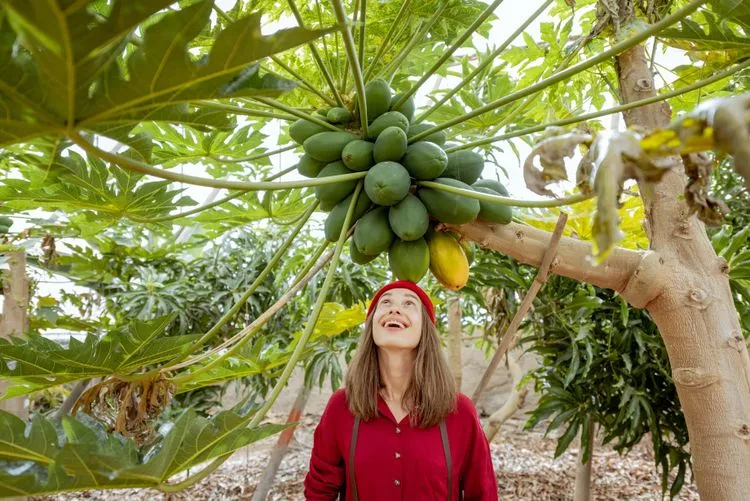
Even air-layered papaya plants are susceptible to pests and diseases:
- Common Pests: Aphids, mealybugs, and fruit flies. Control with neem oil or organic insecticides.
- Diseases: Papaya ringspot virus, powdery mildew, and root rot. Ensure proper drainage and remove infected leaves promptly.
- Preventive Measures: Maintain cleanliness, sterilize tools, and regularly inspect plants for early signs of infestation.
Advantages of Air Layering Papaya
- Faster Fruiting: Produces fruit earlier than seed-grown plants.
- Genetic Consistency: Maintains the parent plant’s high-quality traits.
- High Success Rate: Strong, well-formed roots ensure survival.
- Low Maintenance: Minimal tools and space required.
- Efficient Propagation: Multiply productive papaya plants from a single parent tree.
Tips for Success
- Select healthy, pest-free parent trees.
- Use semi-hardwood branches for optimal rooting.
- Keep the moss or soil consistently moist but not soggy.
- Be patient, as root formation can take several weeks.
- Acclimate the new plant gradually to direct sunlight after transplanting.
Conclusion
Papaya air layering is a highly effective propagation technique that enables gardeners to grow healthy, productive plants quickly. By following the right steps—choosing the proper branch, preparing it correctly, wrapping with a moist medium, and providing consistent care—you can enjoy early fruiting and high-quality papaya plants.
This method is ideal for home gardeners, small-scale farmers, and anyone interested in tropical fruit cultivation. Air-layered papaya plants not only grow faster and bear fruit sooner but also ensure genetic consistency and higher success rates compared to traditional seed propagation.
Mastering papaya air layering allows you to expand your garden, maximize fruit production, and enjoy the satisfaction of cultivating strong, healthy plants that provide delicious, nutritious fruits season after season.