
Cleaning is an essential part of maintaining a healthy and welcoming home environment. However, many people approach cleaning with a daunting mindset, often leading to exhaustion or frustration. By implementing a few overlooked tips and strategies, you can transform your cleaning routine into an efficient and even enjoyable task. Below are some of the most effective methods to elevate your cleaning game.
1. Create a Cleaning Schedule
One of the most effective ways to maintain a clean environment is to develop a cleaning schedule. A dedicated schedule helps in tackling cleaning tasks systematically and reduces the feeling of being overwhelmed. Here are some steps to create an effective cleaning schedule:
- Assess Your Cleaning Needs: Identify the areas that need regular attention. Consider tasks that are daily, weekly, and monthly.
- Allocate Time: Set specific times for each cleaning task. Use a calendar or planner to plot them out.
- Be Realistic: Don’t overload your schedule. Allow for flexibility in case of unexpected events.
2. Use a Cleaning Caddy
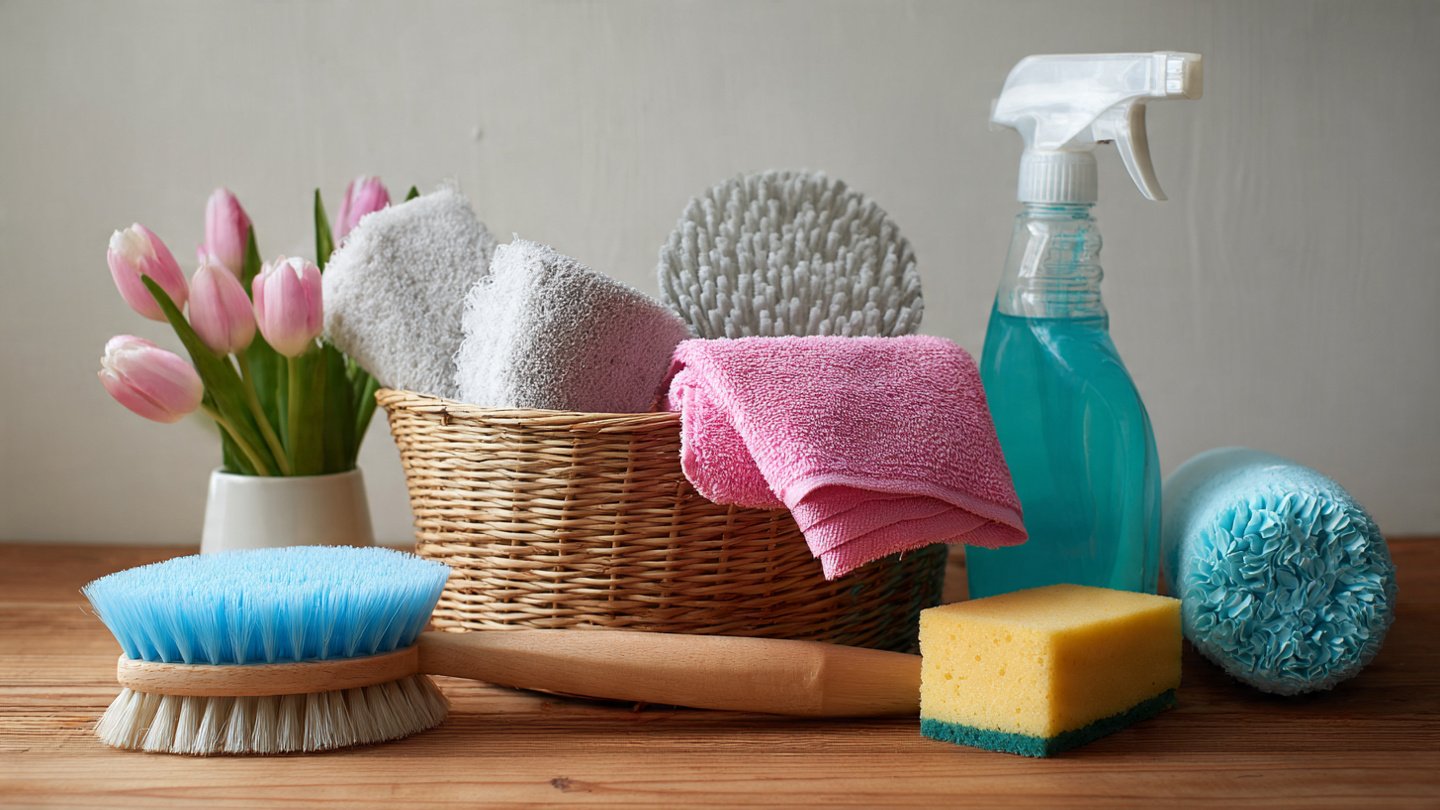
Having a cleaning caddy stocked with your essential cleaning supplies can make your routine more efficient. Rather than running back and forth to grab your supplies, you can keep everything you need in one portable container. Here’s how:
- Choose the Right Caddy: Opt for a caddy that is easy to carry and spacious enough to hold all your cleaning items.
- Stock Essentials: Include multipurpose cleaners, sponges, cloths, and any specialty products you use regularly.
- Label Everything: Label each item or section in your caddy for quick access.
3. Start from the Top Down
When cleaning a room, start from the top and work your way down. This technique ensures that dust and dirt fall to the floor rather than landing on already cleaned surfaces. Follow these steps for maximum efficiency:
- Dust First: Start with ceiling fans, shelves, and light fixtures before moving to tables and counters.
- Clean Your Floors Last: After dusting, vacuum or sweep your floors to collect any debris that has fallen.
- Wipe Down Surfaces: Focus on cleaning surfaces last, as this allows you to clean more efficiently.
4. Employ the Two-Bucket Method
The two-bucket method is a game changer for cleaning your floors and surfaces. Instead of using a single bucket for your cleaning solution, utilize two separate buckets: one for clean water and one for the solution. This prevents dirty water from recontaminating your surfaces.
- Bucket One: Fill with clean water for rinsing your cloths or mops.
- Bucket Two: Fill with your cleaning solution mixed with water.
- Routine: Always dip and wring out your cloth/mop in the clean water before immersing it back into the cleaning solution.
5. Multitask with Time Efficient Methods
While it’s important to focus on one task at a time, there are some cleaning methods that allow for multitasking without losing efficiency:
- Let Cleaners Sit: Apply a cleaning solution and allow it to sit for a few minutes while you tackle another task. This maximizes the effectiveness of the cleaner.
- Use Downtime Wisely: While you wait for laundry to finish, do a quick clean of counters or dust a nearby shelf.
- Implement Music or Podcasts: These can make your cleaning timeframe feel shorter and more enjoyable.
6. Train Everyone: Make It a Family Affair
Cleaning doesn’t have to be an individual task. Training family members or housemates to contribute can significantly increase your cleaning efficiency. Strategies include:
- Assign Chores: Designate specific tasks to each person based on their abilities and preferences.
- Make It Fun: Turn cleaning into a game or competition with rewards.
- Use Chore Charts: Visual reminders can motivate everyone to complete their tasks on time.
7. Use Natural Cleaners
Some commercial cleaning products can be harsh on surfaces and contribute to indoor air pollution. Switching to natural cleaning products can be a healthier and more efficient choice. Here are some all-natural options:
- Baking Soda: A great abrasive cleaner for scrubbing.
- Vinegar: Effective for glass, windows, and as a deodorizer.
- Essential Oils: Add a pleasant scent and antimicrobial properties to your cleaning routine.
8. Focus on High Traffic Areas
Identifying and prioritizing high-traffic areas in your home can save time and effort. These areas often accumulate dirt faster than others. Some high-priority areas to focus on include:
- Entryways: Regularly clean floors and surfaces where dirt is frequently brought in from outside.
- Kitchen: Wipe down countertops, cabinets, and appliances routinely.
- Bathroom: Ensure that sinks, toilets, and shower areas are cleaned regularly to prevent buildup.
Conclusion
Transforming your cleaning routine for maximum efficiency doesn’t require drastic changes. By incorporating a few simple tips—such as creating a cleaning schedule, utilizing a cleaning caddy, and employing effective cleaning methods—you can streamline your efforts and make cleaning less of a chore. Remember, a clean environment contributes to overall well-being, so consider these tips to enhance your home maintenance practices.
FAQs
1. How often should I clean my home?
The frequency of cleaning depends on your lifestyle and household size. Generally, high-traffic areas should be cleaned weekly, while deep cleaning can be done monthly.
2. What are the best natural cleaners?
Simple ingredients like vinegar, baking soda, and lemon are effective natural cleaners for a variety of surfaces.
3. What should I include in my cleaning caddy?
Your caddy should include multi-surface cleaners, microfiber cloths, sponges, a scrub brush, and gloves. Consider adding essential oils for fragrance.
4. How can I motivate my family to help clean?
Make cleaning fun by assigning tasks, turning it into a game, or setting up a rewards system for completing chores.
5. Is it better to clean with music?
Yes! Listening to music or podcasts can make cleaning more enjoyable and help the time pass faster.