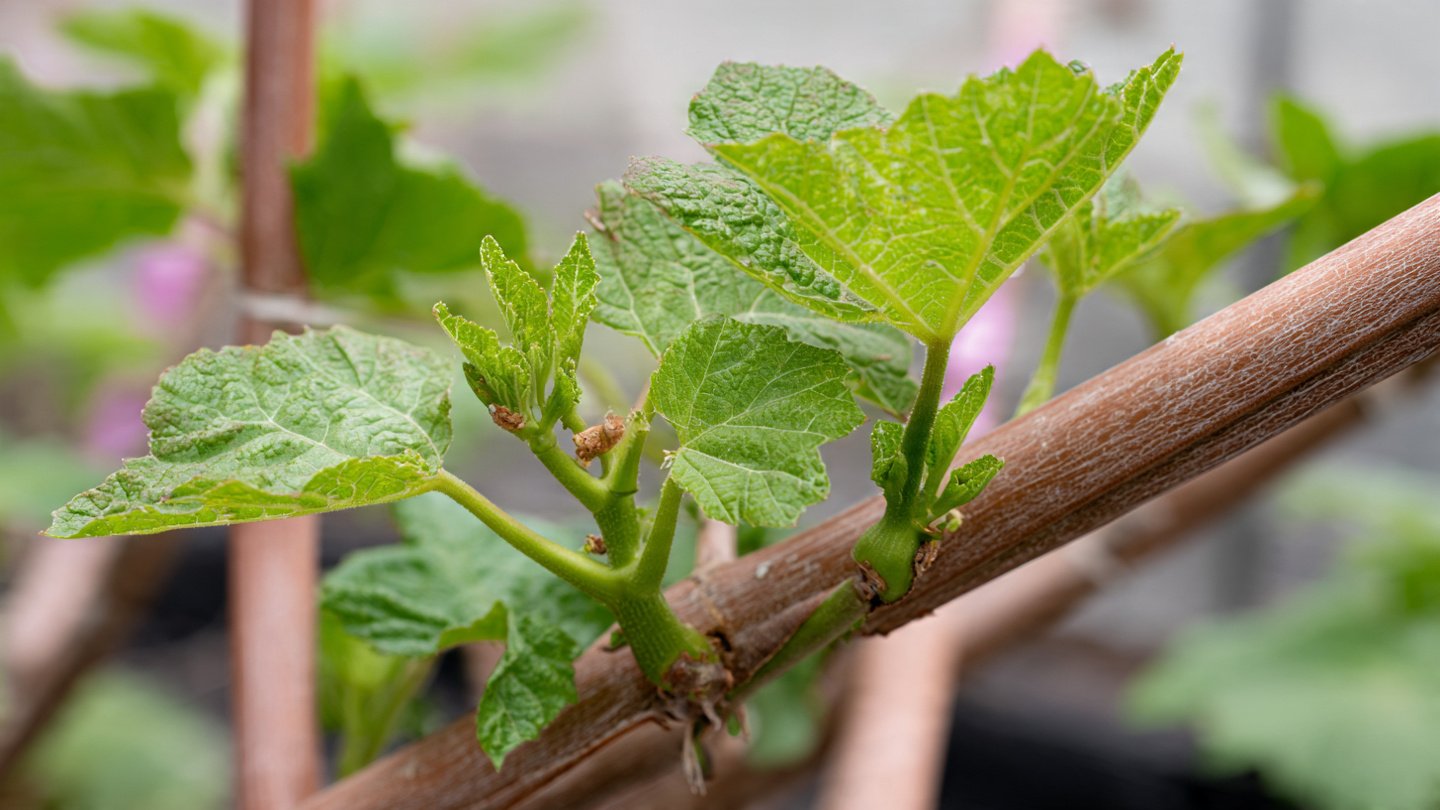

Overlooked Pruning Steps That Impact Vegetable Growth and Size
Pruning is often considered an essential practice in the realm of gardening, particularly in fruit trees and ornamental plants. However, its importance in vegetable gardening can sometimes be overlooked. While many gardeners focus on watering, fertilizing, and pest control, they might underestimate how strategic pruning can significantly influence the growth and size of vegetable plants. This article explores the powerful effects of pruning on vegetable growth, highlighting often-overlooked steps and strategies that can yield a bountiful harvest.
Understanding Pruning in Vegetable Gardening
Pruning refers to the selective removal of certain parts of a plant, such as branches, leaves, or fruits, to enhance its growth and productivity. The primary purposes of pruning include:
-
Promoting Air Circulation: Removing excess foliage allows for better air circulation, reducing the risk of fungal diseases and pests.
-
Guiding Growth: Pruning directs the plant’s energy to the most productive parts, leading to more robust fruit and vegetable production.
-
Encouraging New Growth: By cutting away old or unwanted growth, you stimulate the plant to push out new shoots and fruits.
-
Improving Light Exposure: Ensuring that light reaches all parts of the plant can improve photosynthesis and thus support healthier growth.
The Impact of Pruning on Specific Vegetables
- Tomatoes
Tomatoes are among the most popular garden vegetables and can greatly benefit from pruning. Many gardeners fail to prune suckers—small shoots that grow in the joint between the stem and branches. By removing these suckers, growers can:
- Enhance Fruit Size: With less competition for nutrients, the remaining fruit often grows larger and ripens faster.
- Improve Airflow: A well-pruned tomato plant can avoid diseases like blight, which thrive in humid, crowded conditions.
- Cucumbers
For climbing vegetables like cucumbers, pruning is essential for managing vine growth. Training them on trellises while selectively removing some lateral branches can result in:
- Increased Fruit Production: Less overcrowding allows the plant to focus its energy on fewer fruits, improving quality and size.
- Better Access for Harvesting: Pruning can create pathways and spaces that ease the harvesting process and reduce damage to the fruits.
- Squash and Zucchini
Squash and zucchini can produce excessively, leading to unwanted energy diversion. By conducting timely pruning—removing older leaves and excess fruit—you can:
- Focus Energy on Healthy Fruits: Less energy wasted on unnecessary growth translates to larger, healthier squash.
- Prevent Disease: A less dense canopy allows for better airflow, decreasing the likelihood of fungal infections.
- Peppers
Pruning peppers has similar benefits. By trimming back unnecessary branches or suckers, you can:
- Encourage Bushier Growth: This allows for a more productive harvest while maintaining the plant’s health.
- Improve Sunlight Penetration: Ensuring that sunlight reaches every branch promotes uniform growth and fruit ripening.
Key Overlooked Pruning Steps
While understanding the specifics of how pruning can benefit various vegetables is important, several often-overlooked steps can further maximize these benefits.
- Timing is Crucial
The timing of pruning makes a vast difference in the outcome. Pruning during the wrong season can stress the plant, leading to stunted growth. For example, pruning tomato plants too late in the season risks damaging the remaining fruit. Familiarizing oneself with the plant’s flowering and growth cycles helps gardeners know the optimal time for pruning each type of vegetable.
- Use Proper Tools
Investing in quality pruning tools cannot be overstated. Dull or improper tools can damage the plant, leading to increased risk of disease. Sharp, clean pruning shears make cleaner cuts, promoting faster healing and less chance of infection.
- Regular Monitoring
Many gardeners will prune at the start of the growing season but neglect ongoing maintenance. Regular monitoring of plant growth can reveal necessity for further pruning. Establishing a routine check for suckers, dead leaves, or overcrowded growth can keep the plants healthy and vigorous.
- Understanding Each Plant’s Needs
Each vegetable has specific growth habits and requirements. For instance, indeterminate tomatoes require more frequent pruning than determinate types. Understanding the individual needs of each vegetable can lead to more effective pruning strategies.
- Avoid Over-Pruning
While pruning is beneficial, overdoing it can stress the plant, leading to diminished yields. Removing too much foliage can hinder photosynthesis, stunting growth. Always maintain a balance—remove enough to encourage growth without overdoing it.
- Incorporate Companion Planting
While pruning can be beneficial, companion planting can enhance the effects of pruning. Certain plants benefit from being placed next to others, which can enhance growth and resist pests. Combining these methods can amplify productivity and size.
- Focus on Structural Pruning
In addition to pruning for health and size, consider structural pruning. This involves shaping the plant to enhance stability and growth direction. For example, sturdy structures for climbing plants help them grow upright and improve light exposure, ultimately fostering better fruit growth.
Monitoring the Results
After implementing effective pruning practices, it’s essential to monitor the results. Keeping notes on growth patterns, yield size, and overall plant health can provide insight into the effects of pruning. This will allow for adjustments in the upcoming seasons, leading to continued improvements.
Benefits Beyond Size
While much of the discussion around pruning focuses on growth and size, the benefits extend beyond just these aspects.
-
Enhanced Flavor: Healthier, well-pruned plants often produce tastier vegetables due to improved nutrient absorption and energy allocation.
-
Extended Season: By keeping plants healthier, you can often extend the growing season. Robust plants withstand cooler temperatures better while producing fruit for a longer duration.
-
Sustainability: Pruning encourages manageable growth, which is critical for a sustainable garden. Plants that are well-maintained require less intervention, thus reducing labor and resource needs.
Conclusion
Pruning is an essential yet often overlooked aspect of vegetable gardening. Understanding how specific pruning techniques can influence the growth and size of vegetables can transform your garden. By paying attention to timing, tools, and ongoing maintenance—is possible to unlock a higher yield of healthier and larger produce. As with all gardening practices, patience, observation, and a willingness to learn will lead to a more fruitful and fulfilling gardening experience. Implement these often-overlooked pruning steps in your gardening routine, and you may be surprised at the impact they can have on your vegetable plants’ health and productivity.
In the ever-evolving world of gardening, the combination of traditional techniques and innovative approaches can lead to impressive results. Pruning is just one of many tools in the modern gardener’s toolkit, but when executed effectively, it can become a game-changer in your quest for vegetable excellence. Happy gardening!