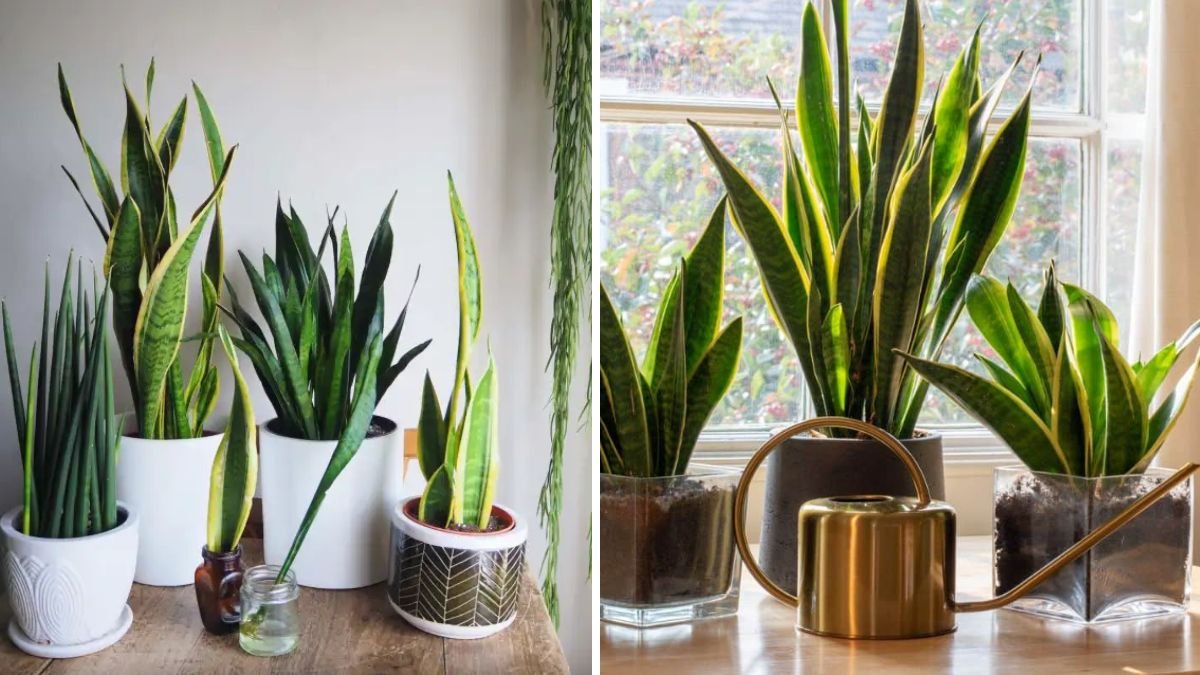

Snake plants, also known as Sansevieria or Dracaena trifasciata, are among the most popular indoor plants worldwide. They are cherished for their striking vertical leaves, low maintenance requirements, and air-purifying abilities. Traditionally, snake plants have been propagated through division or rhizome cuttings, but did you know that you can create entire new varieties from a single leaf? This fascinating method allows gardeners to expand their indoor plant collection easily and experiment with different leaf shapes and colors.
In this guide, we’ll explore how to grow new snake plant varieties from just one leaf, covering everything from selecting the leaf to planting, care, and advanced tips for cultivating healthy, beautiful plants.
Why Propagate Snake Plants from a Single Leaf?
Propagating snake plants from a single leaf offers numerous advantages:
- Cost-Effective: You can create multiple plants from one existing leaf without buying new ones.
- Space-Efficient: Ideal for small apartments or offices where limited space is available.
- Experimentation: Allows you to try different soil mixes, containers, or growing conditions for unique results.
- Easy and Low Maintenance: Snake plants are hardy, making leaf propagation beginner-friendly.
- Sustainability: Reduces plant waste and promotes eco-friendly gardening practices.
This method is perfect for both beginner gardeners and seasoned plant enthusiasts who want to expand their collection without spending extra money.
Choosing the Right Leaf for Propagation
Not all leaves are suitable for propagation. To ensure success, select a leaf that is:
- Healthy and Firm: Avoid leaves that are wilted, yellow, or damaged.
- Mature but Not Old: Young leaves may not root well, while very old leaves can rot easily.
- Disease-Free: Avoid leaves with fungal infections or pest damage.
Once you select the right leaf, carefully cut it near the base using a clean, sharp knife or scissors. This prevents damage and reduces the risk of infection.
Step-by-Step Guide to Propagating Snake Plants from a Single Leaf
There are two popular methods for propagating snake plants from a leaf: water propagation and soil propagation.
Method 1: Water Propagation
- Cut the Leaf: Slice the selected leaf into 3–4 inch sections. Remember to note the top and bottom of each section—the orientation is crucial, as only the bottom can develop roots.
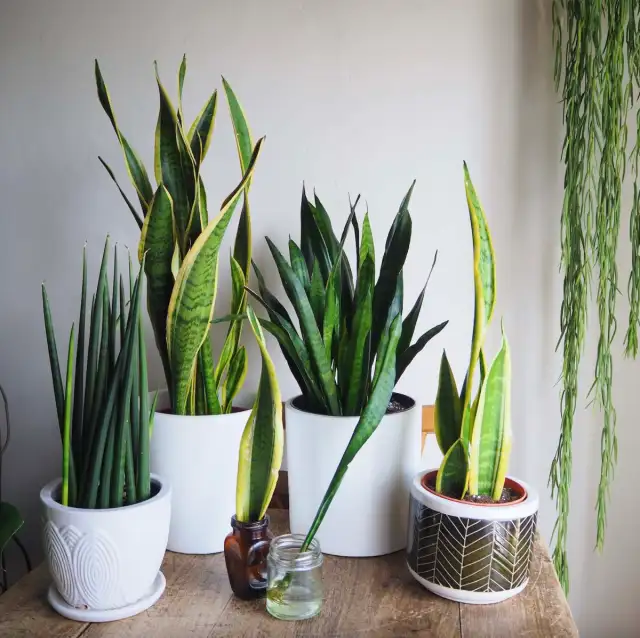
- Prepare the Container: Fill a jar or glass with clean water. Ensure the bottom of each leaf section is submerged, but avoid soaking the top.
- Place the Leaf Sections: Insert the leaf sections into the water, bottom side down. Keep them upright using a small support if needed.
- Provide Proper Light: Place the container in bright, indirect sunlight. Avoid direct sun, which can scorch the leaves.
- Wait for Roots: Roots typically start forming within 2–6 weeks. Once roots are a few inches long, the leaf sections are ready for soil planting.
Tips for Success:
- Change the water every 1–2 weeks to prevent stagnation and bacterial growth.
- Be patient, as snake plants root slowly.
Method 2: Soil Propagation
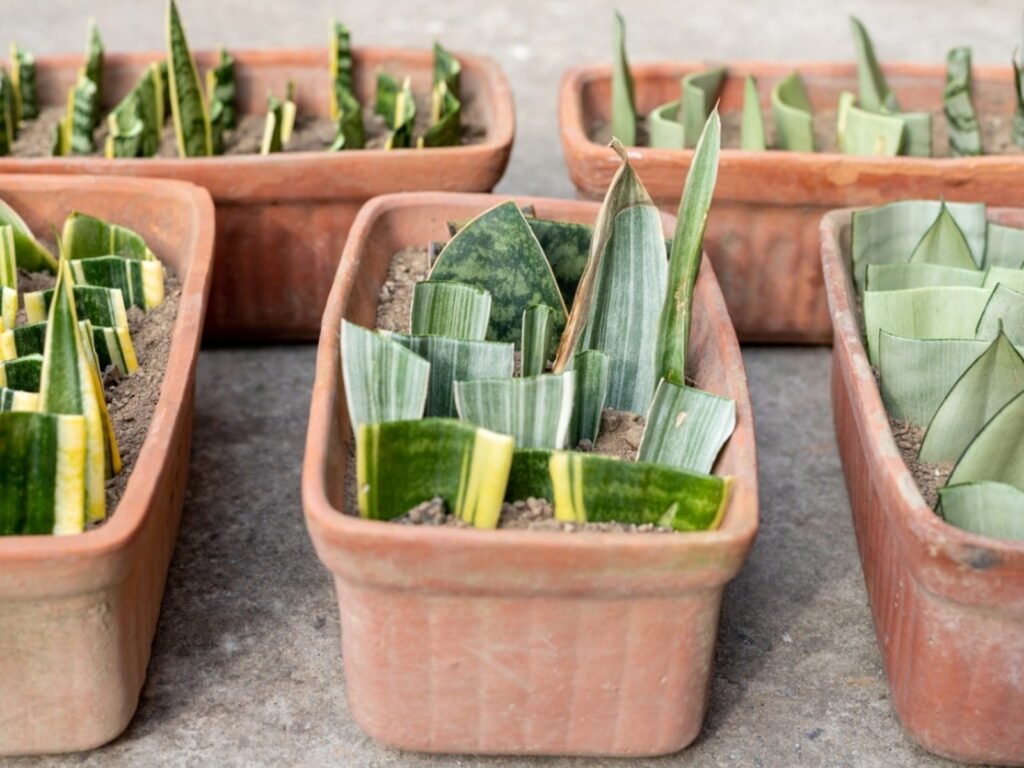
- Cut the Leaf: Cut a healthy leaf into 3–4 inch sections, keeping track of top and bottom.
- Prepare the Soil: Use a well-draining potting mix, ideally a cactus or succulent mix, to prevent waterlogging and root rot.
- Plant the Leaf Sections: Insert the bottom end of each section 1–2 inches deep into the soil. Firm the soil gently around it.
- Water Lightly: Moisten the soil, but avoid overwatering. Snake plants prefer slightly dry conditions.
- Provide Light: Place the pot in bright, indirect sunlight. Avoid direct sun, especially for newly planted cuttings.
- Monitor Growth: Roots and new shoots typically appear in 4–8 weeks.
Tips for Soil Propagation:
- Covering the pot with a clear plastic bag can maintain humidity, but remove it occasionally to prevent fungal growth.
- Avoid fertilizing until the new plant is well established.
Caring for New Snake Plant Varieties
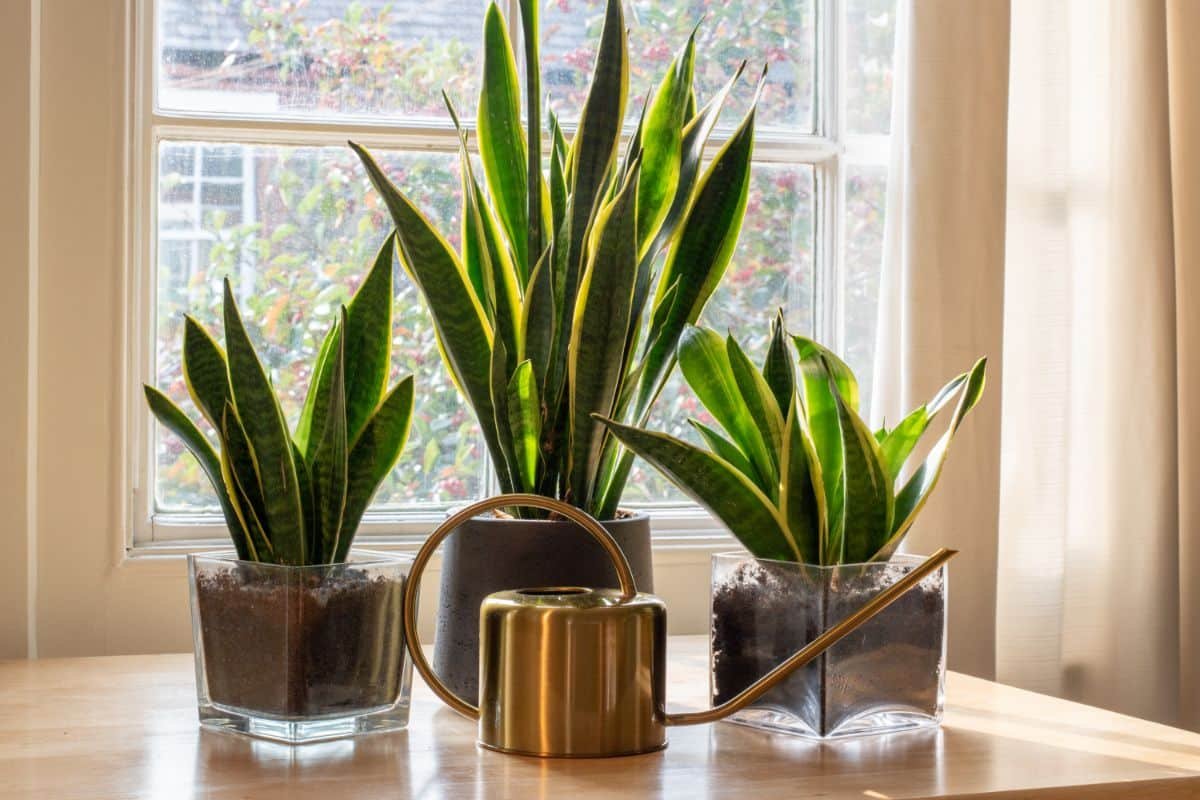
Once roots and shoots appear, caring for your new snake plants is relatively easy:
- Watering: Water sparingly. Allow the soil to dry out completely between watering sessions. Overwatering is the most common cause of leaf rot.
- Light: Snake plants thrive in bright, indirect light but can tolerate low light conditions. Some variegated varieties require slightly more sunlight to maintain leaf patterns.
- Temperature: Maintain indoor temperatures between 60–85°F (16–29°C). Protect plants from frost or extreme heat.
- Fertilization: Apply a balanced, diluted fertilizer once a month during the growing season (spring and summer).
Proper care ensures your propagated snake plants grow into healthy, high-quality plants.
Creating New Varieties from One Leaf
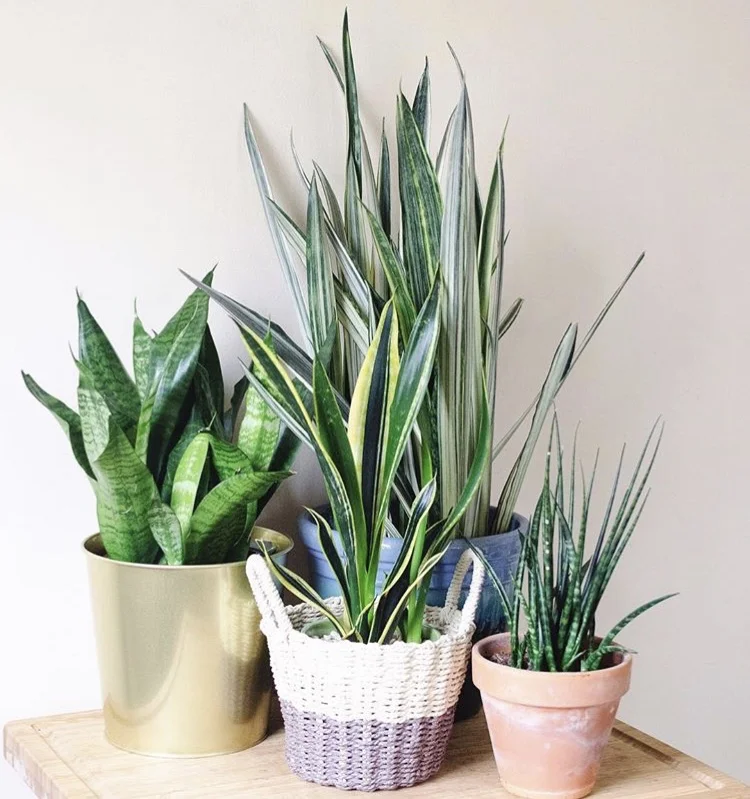
The exciting part of propagating snake plants from a single leaf is the potential for new variations:
- Variegation: By experimenting with different lighting conditions, you may enhance or maintain variegated leaf patterns.
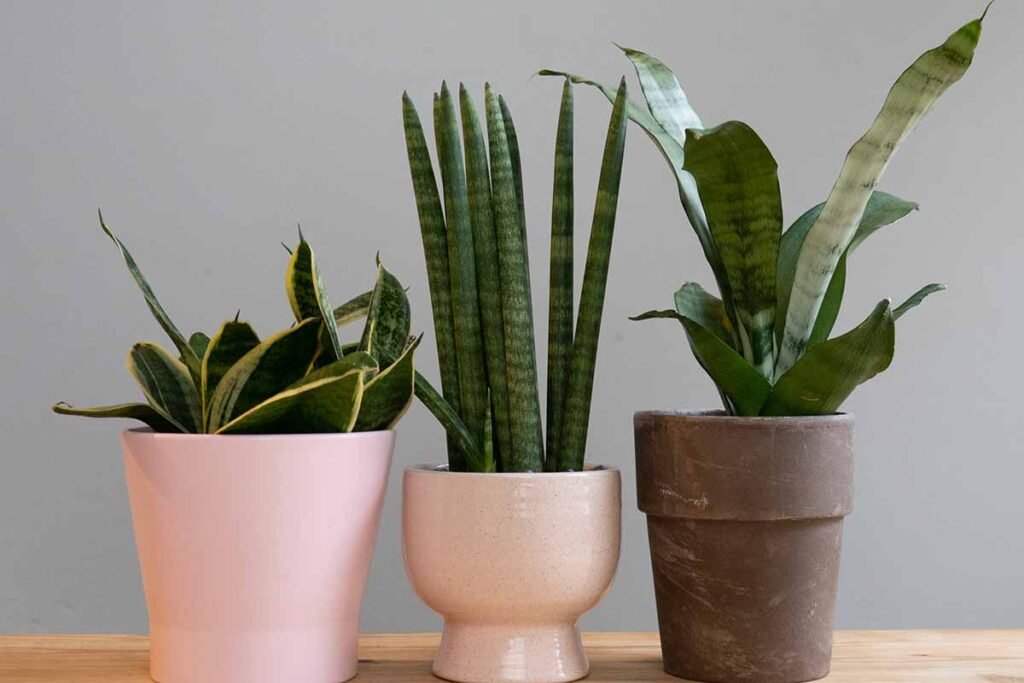
- Leaf Shapes: Some leaves may grow taller, wider, or more twisted than the original, creating visually unique plants.
- Color Variations: Adjusting soil type, light exposure, and fertilization can subtly influence leaf color and vibrancy.
- Clustering: Multiple leaf sections from the same leaf can produce clusters, giving a fuller, more attractive appearance.
With patience and observation, you can create stunning new snake plant varieties from a single parent leaf.
Common Challenges and How to Overcome Them
While snake plants are hardy, you may encounter a few challenges:
- Leaf Rot: Often caused by overwatering or poor drainage. Use well-draining soil and water sparingly.
- Slow Rooting: Some leaf sections may take longer to root. Patience is key—avoid removing cuttings prematurely.
- Pest Issues: Occasionally, spider mites or mealybugs may appear. Treat with neem oil or insecticidal soap.
- Orientation Errors: Planting leaf sections upside down will prevent rooting. Always remember the top and bottom of each cutting.
By addressing these issues proactively, you can maximize the success rate of your propagation efforts.
Advantages of Propagating Snake Plants from a Single Leaf
- Cost-Effective Propagation: Expand your plant collection without buying additional plants.
- Sustainable Gardening: Reduce waste by repurposing leaves from existing plants.
- Easy for Beginners: Requires minimal tools, space, and experience.
- Creative Freedom: Experiment with different leaf cuts, containers, and soil types to produce unique plants.
- Decorative Potential: Multiple plants from one leaf can be used to create attractive arrangements in homes or offices.
Conclusion
Propagating snake plants from a single leaf is an exciting and rewarding way to expand your indoor greenery. By following proper techniques—selecting the right leaf, choosing between water or soil propagation, and providing careful aftercare—you can cultivate multiple high-quality plants from just one parent leaf.
This method is perfect for beginners and experienced gardeners alike, offering a cost-effective, sustainable, and creative approach to indoor gardening. With patience, observation, and care, you can grow new snake plant varieties that brighten your home, improve air quality, and bring a sense of accomplishment as your indoor jungle flourishes.
Whether you want to fill your living room with clusters of elegant snake plants, experiment with unique leaf patterns, or share plants with friends, propagating from a single leaf makes it all possible. It’s a simple, effective, and endlessly rewarding gardening adventure.