
Paragraph 1: Introduction to Allamanda Grafting
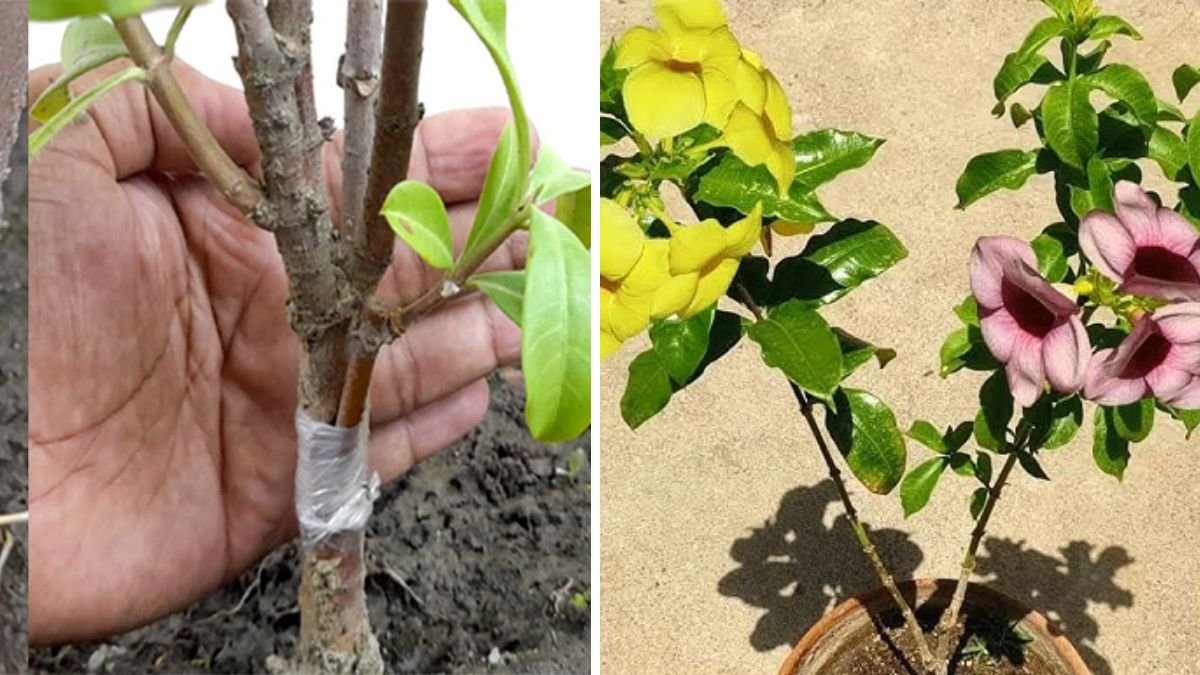
Allamanda is a popular tropical flowering vine known for its glossy green leaves and trumpet-shaped flowers that bloom in bright colors. Gardeners usually grow separate plants for yellow, pink, or purple Allamanda, but multiple colour grafting allows all shades on a single plant. This technique saves space and creates a stunning ornamental display. Multi-colour grafting is especially useful for home gardens, terraces, balconies, and landscape projects. It also increases plant value in nurseries. With proper technique and care, Allamanda grafting is easy and successful. This article explains the complete process in simple language. Even beginners can achieve professional results.
Paragraph 2: Understanding Multiple Colour Grafting
Multiple colour grafting means joining scions of different coloured Allamanda varieties onto one healthy rootstock. Each grafted branch produces flowers of its original colour. Over time, the plant looks like a rainbow flowering bush. This method does not change flower genetics but combines varieties physically. It is widely used in ornamental plants like bougainvillea and roses. Allamanda responds very well to grafting due to its soft stem structure. Success depends on matching stem thickness and proper timing. Patience during healing is important. When done correctly, survival rate is high.
Paragraph 3: Benefits of Multi-Colour Allamanda
Growing multiple colours on one plant offers many advantages for gardeners. It reduces the need for separate pots or ground space. The plant becomes visually attractive throughout the flowering season. Nurseries can sell grafted plants at higher prices. Maintenance becomes easier because watering and fertilization are done for one plant. Flowering appears continuous as different branches bloom at different times. It also attracts more pollinators like bees and butterflies. This method is ideal for decorative entrances and compound walls. Garden lovers prefer such unique plants.
Paragraph 4: Best Climate and Season for Grafting
Allamanda grafting works best in warm and humid climates. The ideal temperature range is moderate to warm without extreme heat. In India, spring and early monsoon seasons are perfect. Avoid grafting during heavy rain or winter cold. The plant should be actively growing for successful healing. Morning grafting is recommended to reduce moisture loss. Humidity helps faster callus formation. Choose a calm day without strong wind. Seasonal timing plays a major role in success.
Paragraph 5: Selecting Healthy Rootstock
Rootstock selection is the foundation of successful grafting. Choose a healthy, disease-free Allamanda plant with strong roots. The stem should be mature but still green and flexible. Avoid woody or very soft stems. Rootstock should be well-watered one day before grafting. A strong root system supports multiple grafted branches. Make sure the plant is pest-free. Rootstock growth determines overall plant strength. A weak rootstock leads to graft failure.
Paragraph 6: Choosing Different Colour Scions
Scions are the branches taken from different colour Allamanda plants. Select semi-hardwood stems with healthy buds. Each scion should be fresh and not flowering. Length should be moderate for easy handling. Remove extra leaves to reduce water loss. Use clean and sharp tools while cutting scions. Keep scions moist until grafting. Each scion represents one flower colour. Quality scions ensure vibrant blooms later.
Paragraph 7: Tools Required for Grafting
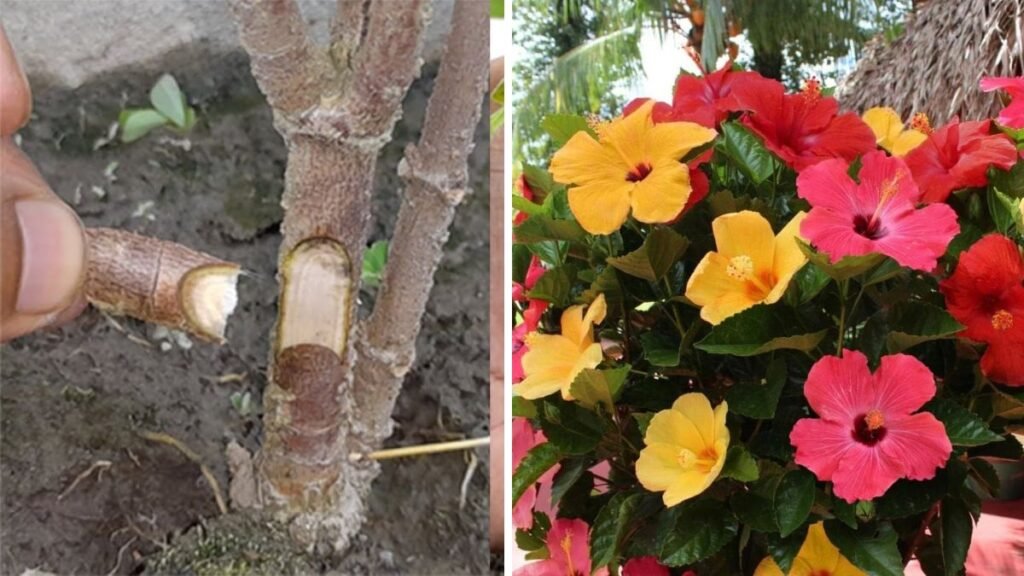
Proper tools increase grafting success. A sharp grafting knife or blade is essential. Use clean pruning scissors for cutting scions. Grafting tape or soft plastic strip is required for tying. Optional items include grafting wax or aloe vera gel. Disinfect tools before use to prevent infection. Gloves help maintain hygiene. Keep everything ready before starting. Organized preparation saves time. Clean tools protect plant health.
Paragraph 8: Step-by-Step Grafting Process
Begin by making a clean slant cut on the rootstock stem. Prepare the scion with a matching cut. Join both cuts carefully so cambium layers touch. Tie the joint firmly with grafting tape. Repeat the process for each colour scion at different branches. Avoid overcrowding graft points. Ensure tight contact without crushing stems. Label branches if needed. Proper alignment ensures quick healing.
Paragraph 9: Post-Grafting Care
After grafting, keep the plant in partial shade. Avoid direct sunlight for at least two weeks. Water regularly but do not overwater. Keep soil moist, not soggy. Mist leaves to maintain humidity. Do not disturb graft joints. Remove any shoots growing below grafts. Protect from pests and ants. Healing usually occurs within three weeks. Patience is key.
Paragraph 10: Signs of Successful Grafting
Successful grafts show fresh leaf growth from scions. The joint area looks firm and green. Leaves remain healthy and upright. No blackening or drying is visible. New shoots emerge slowly at first. Flowering usually starts after a few months. Each branch produces its own colour. Gradual growth indicates proper nutrient flow. Healthy grafts strengthen over time.
Paragraph 11: Common Grafting Mistakes
Many failures occur due to poor alignment of cambium layers. Using dry or weak scions reduces success. Loose tying allows movement and air entry. Overwatering causes rot at graft joints. Direct sunlight burns tender grafts. Grafting during unsuitable season results in failure. Dirty tools spread diseases. Ignoring aftercare weakens plants. Avoiding these mistakes improves success rate.
Paragraph 12: Fertilization for Grafted Allamanda
Balanced nutrition helps grafted plants grow faster. Use organic compost or vermicompost monthly. Liquid fertilizers promote flowering. Avoid excess nitrogen initially. Apply micronutrients occasionally. Fertilize only after grafts heal completely. Healthy soil encourages strong roots. Regular feeding results in bright blooms. Overfeeding must be avoided. Proper nutrition enhances colour intensity.
Paragraph 13: Pruning and Training
Pruning helps maintain balanced growth among grafted branches. Trim overly strong branches to support weaker ones. Shape the plant for even sunlight exposure. Remove dead or crossing branches. Training helps create a bushy structure. Proper pruning improves airflow. Balanced growth ensures equal flowering. Regular pruning keeps plant attractive. It also prevents disease buildup.
Paragraph 14: Pest and Disease Management
Allamanda may face aphids, mites, or fungal infections. Inspect regularly for pests. Use neem oil spray as preventive measure. Remove infected parts immediately. Avoid waterlogging to prevent root rot. Good airflow reduces fungal problems. Healthy plants resist pests naturally. Early detection saves grafts. Organic solutions are recommended. Chemical use should be minimal.
Paragraph 15: Flowering Timeline
After grafting, flowering usually begins within three to five months. Each grafted branch blooms separately. Blooming may vary by colour variety. With good care, flowering continues throughout warm seasons. Regular deadheading encourages more blooms. Balanced nutrition improves flower size. Sunlight plays a major role. Patience during initial months is important. Results are rewarding.
Paragraph 16: Ideal Pot or Ground Planting
Grafted Allamanda can grow in pots or ground. Large pots with good drainage are ideal for balconies. Ground planting supports faster growth. Soil should be well-drained and fertile. Avoid compact soil. Pot size should allow root expansion. Proper spacing prevents competition. Choose location with morning sunlight. Good placement improves flowering.
Paragraph 17: Long-Term Maintenance
Multi-colour Allamanda requires routine care. Water regularly during summer. Reduce watering in winter. Fertilize seasonally. Prune after heavy flowering. Monitor graft joints annually. Replace damaged branches if needed. Long-term care keeps plant productive. Healthy plants last many years. Maintenance effort is moderate.
Paragraph 18: Commercial and Decorative Value
Grafted Allamanda plants have high market demand. Nurseries sell them at premium prices. Landscapers prefer them for decorative designs. They attract attention in exhibitions. Home gardeners love unique flowering plants. Social media popularity increases demand. This technique offers income opportunities. Ornamental gardening benefits greatly. Visual appeal is unmatched.
Paragraph 19: Table – Advantages of Multiple Colour Grafting
Table: Benefits Overview
Row One: Space saving plant with multiple flower colours
Row Two: Higher ornamental and commercial value
Row Three: Reduced maintenance compared to multiple plants
Row Four: Continuous and diverse flowering
Row Five: Ideal for small gardens and balconies
Paragraph 20: Conclusion
Multiple colours grafting on Allamanda is a rewarding gardening technique. It combines beauty, creativity, and efficiency. With proper planning and care, success is achievable even for beginners. The result is a stunning rainbow flowering plant. This method enhances garden aesthetics. It also opens commercial opportunities. Practice improves skill over time. Start with two colours and expand gradually. Gardening becomes more joyful with such experiments.