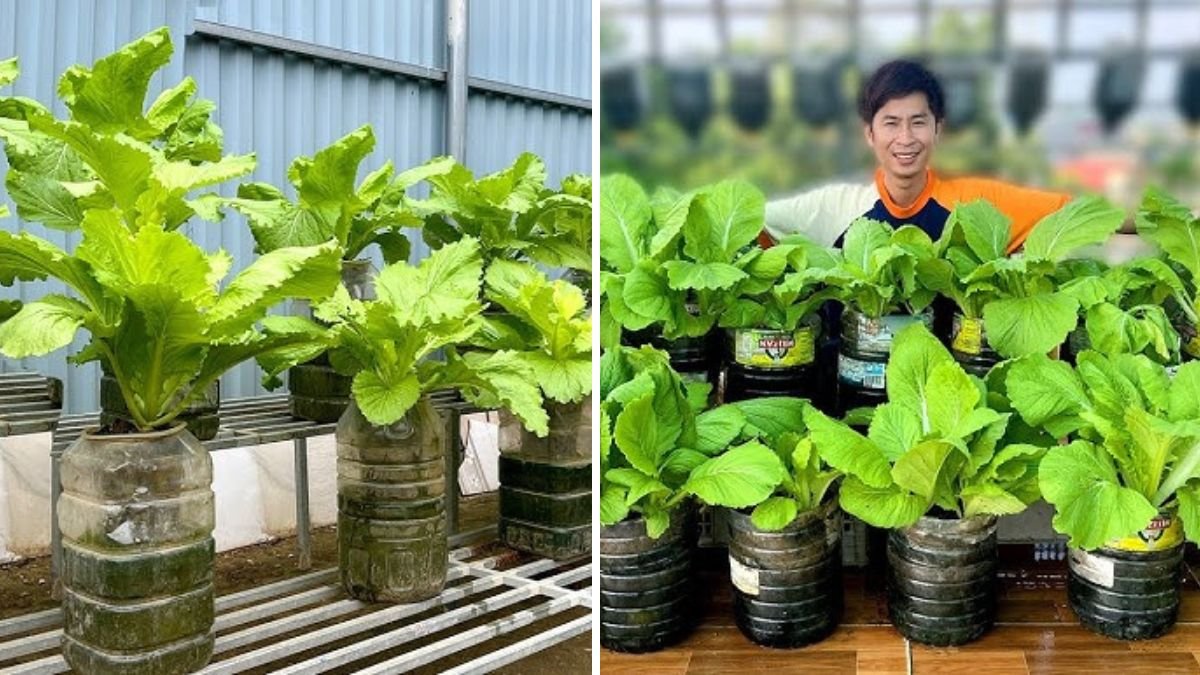

Gardening doesn’t have to be complicated, expensive, or time-consuming. Imagine combining two simple, everyday ingredients—milk and coconut coir—to create a thriving environment for your plants. Sounds intriguing, right? This innovative technique is gaining popularity among urban gardeners and plant enthusiasts worldwide because it’s natural, highly effective, and easy to implement.
Coconut coir, a fibrous material derived from coconut husks, is already known for its excellent water retention, aeration, and sustainability. Milk, on the other hand, is packed with essential nutrients like calcium, proteins, and vitamins that help plants grow stronger and healthier. When used together, these two create a potent medium that nourishes plants, enhances soil quality, and reduces the need for chemical fertilizers.
In this article, we’ll explore how you can use milk and coconut coir to give your plants a nutrient boost, promote robust growth, and maintain a healthy, thriving garden.
Why Milk and Coconut Coir Work So Well Together
- Coconut Coir as an Ideal Growing Medium
Coconut coir is lightweight, eco-friendly, and retains moisture very effectively. Unlike soil, it provides excellent aeration for roots, preventing waterlogging and root rot. It also helps maintain a neutral pH, creating an optimal environment for most plants. - Milk as a Natural Fertilizer
Milk contains calcium, proteins, vitamins, and amino acids that are beneficial for plant growth. Calcium strengthens cell walls, ensuring sturdy stems and leaves, while proteins and amino acids support healthy root and leaf development. Milk can also act as a natural fungicide, reducing the risk of mold and mildew. - Synergy Between Milk and Coir
Coconut coir holds moisture well, allowing milk to slowly seep into the fibers and nourish plant roots over time. This combination ensures a steady supply of nutrients and hydration, promoting faster germination, healthier plants, and more robust growth.
Materials You’ll Need
To try this super easy method, gather the following:
- Coconut Coir: Available in compressed blocks or loose fiber.
- Fresh Milk: Preferably raw or full-fat milk for maximum nutrients.
- Seedlings or Seeds: Herbs, vegetables, or flowering plants.
- Tray or Pot: Any container with drainage holes.
- Spray Bottle (Optional): For gentle watering if needed.
Step-by-Step Guide: Growing Plants with Milk and Coconut Coir
Step 1: Prepare the Coconut Coir
- If using compressed coir, soak it in water until it expands and becomes soft.
- Fluff it thoroughly to create an airy growing medium.
- Fill your pot or tray with a 2–3 inch layer of coconut coir.
Step 2: Mix Milk with Water
- Dilute fresh milk with water at a ratio of 1:5 (one part milk, five parts water).
- This prevents the milk from curdling and ensures that it provides nutrients without harming the plants.
Step 3: Water the Coir
- Pour the milk-water mixture evenly over the coconut coir.
- The coir will absorb the liquid, distributing nutrients throughout the medium.
Step 4: Plant Seeds or Seedlings
- Sow your seeds lightly on the coir or plant seedlings carefully.
- Press them gently into the coir to ensure good contact with the medium.
Step 5: Maintain Moisture and Nutrients
- Water with the milk mixture once a week or as needed to keep the coir slightly moist.
- For regular watering, use plain water to prevent overfeeding.
- Place your tray in indirect sunlight for seedlings, or in bright light for mature plants.
Step 6: Monitor Growth
- Within a few days, seeds should start sprouting.
- Over the next few weeks, observe your plants thriving with healthier stems, greener leaves, and stronger roots.
Benefits of Using Milk and Coconut Coir in Your Garden
- Enhanced Growth and Nutrition
Milk provides essential nutrients directly to the roots, while coconut coir ensures optimal moisture and aeration. The result is faster growth, lush foliage, and stronger plants. - Natural Disease Prevention
Milk has antifungal properties that help protect plants from common fungal infections, such as powdery mildew or root rot. This reduces the need for chemical pesticides. - Sustainable Gardening
Coconut coir is biodegradable, renewable, and an eco-friendly alternative to soil. Using milk as a nutrient source eliminates reliance on synthetic fertilizers, making your garden more sustainable. - Easy and Cost-Effective
Both coconut coir and milk are inexpensive and readily available. This method requires minimal tools and effort, making it perfect for beginners and urban gardeners. - Versatile for Various Plants
This method works well for herbs, vegetables, flowers, and even small fruit plants. From basil and coriander to tomatoes and peppers, almost any plant benefits from the milk and coir combination.
Tips for Maximum Results
- Use Fresh Milk: Avoid milk that is spoiled or flavored. Fresh milk contains the nutrients your plants need.
- Avoid Overwatering: Coconut coir retains moisture effectively, so excessive milk or water can lead to soggy conditions.
- Combine with Sunlight: Ensure your plants receive adequate light to maximize photosynthesis and growth.
- Rotate Crops: For optimal plant health, alternate between different types of plants or microgreens in your coir trays.
- Harvest Regularly: For herbs and microgreens, harvesting promotes new growth and prevents overcrowding.
Creative Ways to Use This Method
- Indoor Herb Gardens
Grow fresh herbs like mint, basil, or parsley in coir trays. Milk nourishes the herbs naturally, providing vibrant flavor for cooking. - Vegetable Microgreens
Microgreens like radish, spinach, and kale grow exceptionally well in coconut coir with a milk solution, delivering a quick, nutrient-dense harvest. - Flowering Plants
Small flowering plants like marigolds, petunias, or pansies benefit from the calcium and proteins in milk, producing more blooms and healthier foliage. - Urban Gardening on Balconies
Even with limited space, coconut coir in containers plus milk feeding can produce abundant greens, turning your balcony into a mini garden oasis.
Potential Challenges and How to Avoid Them
- Milk Smell or Spoilage: Dilute milk properly and avoid overapplication. Using small amounts weekly prevents curdling or unpleasant odors.
- Mold Growth: Ensure proper drainage and avoid stagnant water. Regularly aerate the coir.
- Pests: Milk is generally pest-resistant, but regular observation of plants is important for early detection.
Conclusion
The combination of milk and coconut coir is a game-changer for home gardeners. It’s simple, natural, and highly effective, transforming ordinary containers into thriving green spaces. This method provides nutrients, promotes strong growth, reduces plant disease, and supports sustainable gardening practices—all without complicated fertilizers or large garden plots.
Whether you are growing herbs in your kitchen, microgreens on a windowsill, or small vegetables on a balcony, this method makes gardening accessible, affordable, and fun. In just a few weeks, you can witness tiny seeds flourish into vibrant, healthy plants—all thanks to the humble pairing of milk and coconut coir.
So grab a block of coconut coir, a bottle of fresh milk, and start your garden today. The results are not just plants—they’re a testament to how simplicity and natural solutions can create extraordinary growth.