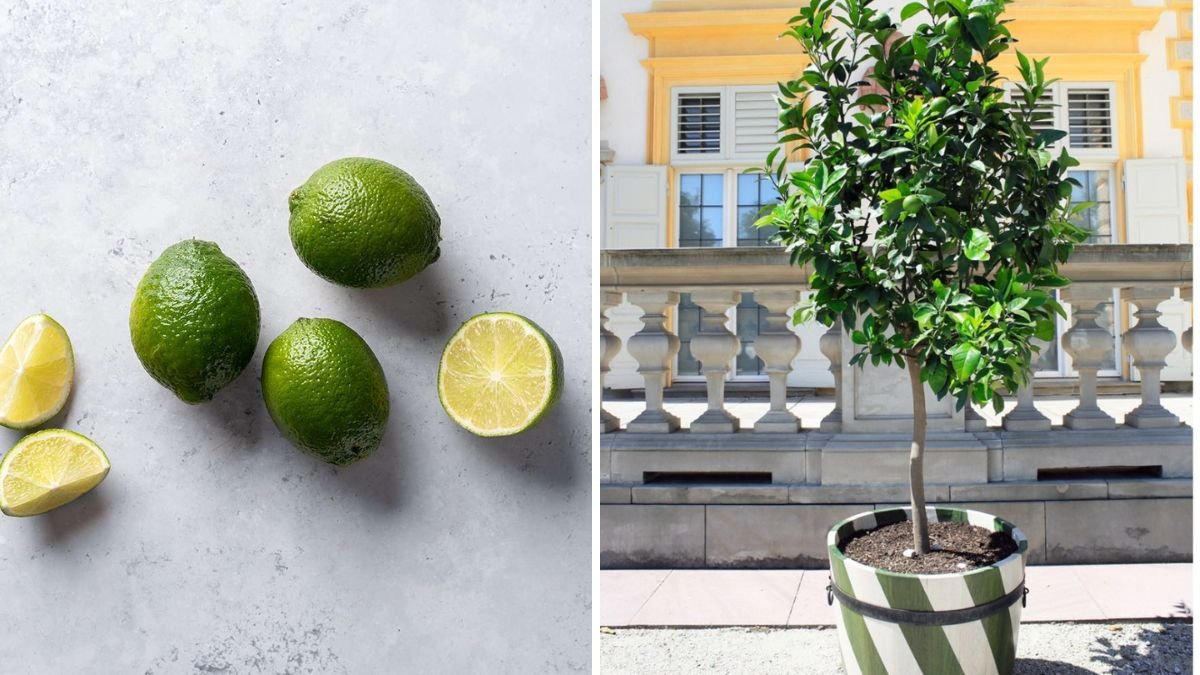

Lime trees are prized for their zesty fruits, aromatic leaves, and their ability to enhance both culinary dishes and home gardens. While growing lime trees from seeds or nursery saplings is common, top working is a powerful horticultural technique that allows gardeners to rejuvenate old trees, improve fruit quality, or even change the variety of an existing lime tree.
In this comprehensive guide, we’ll explore everything you need to know about lime tree top working, including what it is, why it’s beneficial, step-by-step instructions, and expert tips to ensure remarkable growth and abundant fruit production.
What is Top Working?
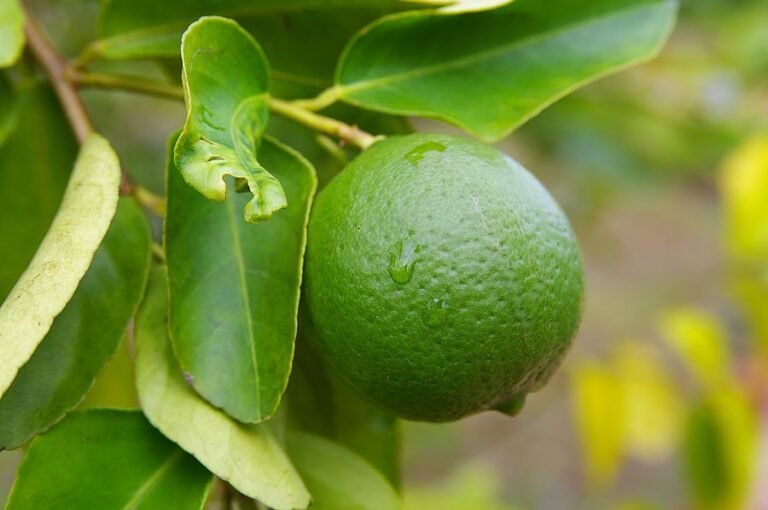
Top working, also known as grafting or scion replacement, is a method where selected branches or the top portion of a mature tree are replaced with scions (young shoots) from another variety. The scions grow into new branches, eventually producing fruit with the desired traits.
This method is ideal for:
- Changing Varieties: Replace an old lime variety with a newer, more productive one.
- Rejuvenating Trees: Older or declining trees can regain vigor through new growth.
- Improving Fruit Quality: Introduce scions that produce better-flavored or higher-yield fruits.
- Disease Management: Replace diseased or weak branches with healthy scions.
Top working is a practical solution for gardeners who want to maximize the productivity and quality of their lime trees without starting from scratch.
Why Top Work Your Lime Tree?
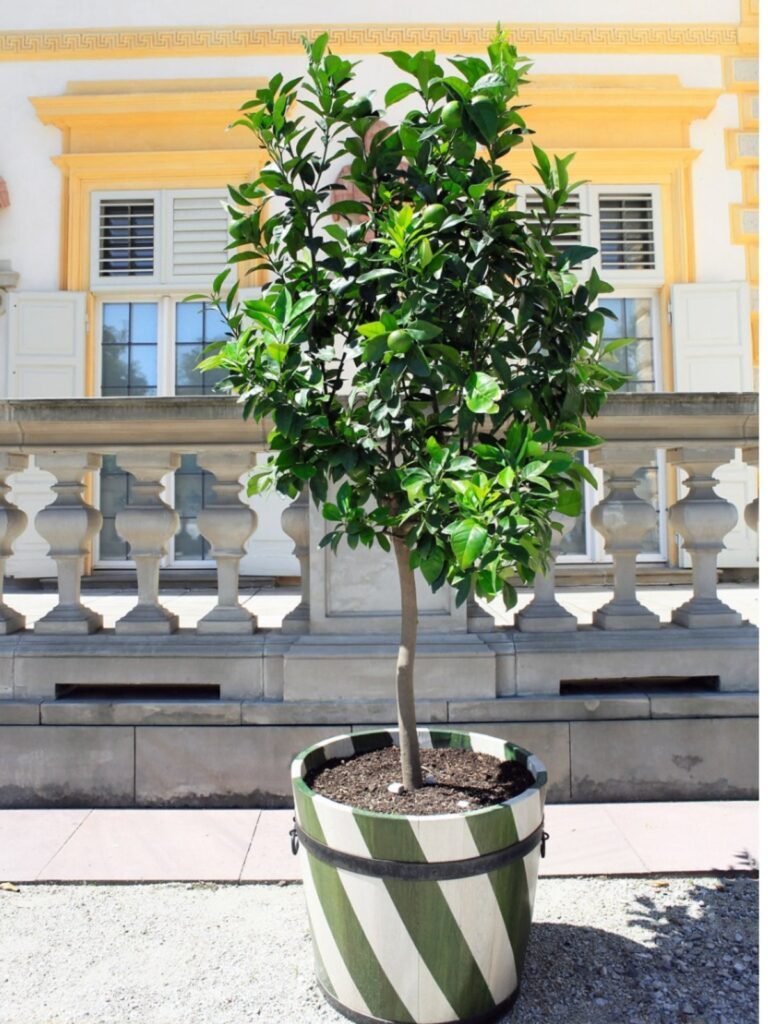
- Faster Fruit Production: A mature tree can produce fruit sooner than a newly planted tree.
- Diverse Varieties: Grow multiple lime varieties on a single tree for varied flavors and uses.
- Space Efficiency: Ideal for small gardens where planting multiple trees isn’t feasible.
- Long-Term Health: Replacing old, unproductive branches enhances the overall health of the tree.
- Cost-Effective: Save time and money by improving an existing tree rather than buying new ones.
When done correctly, top working transforms ordinary lime trees into productive, disease-resistant, and high-quality fruit-bearing trees.
Materials Needed for Lime Tree Top Working
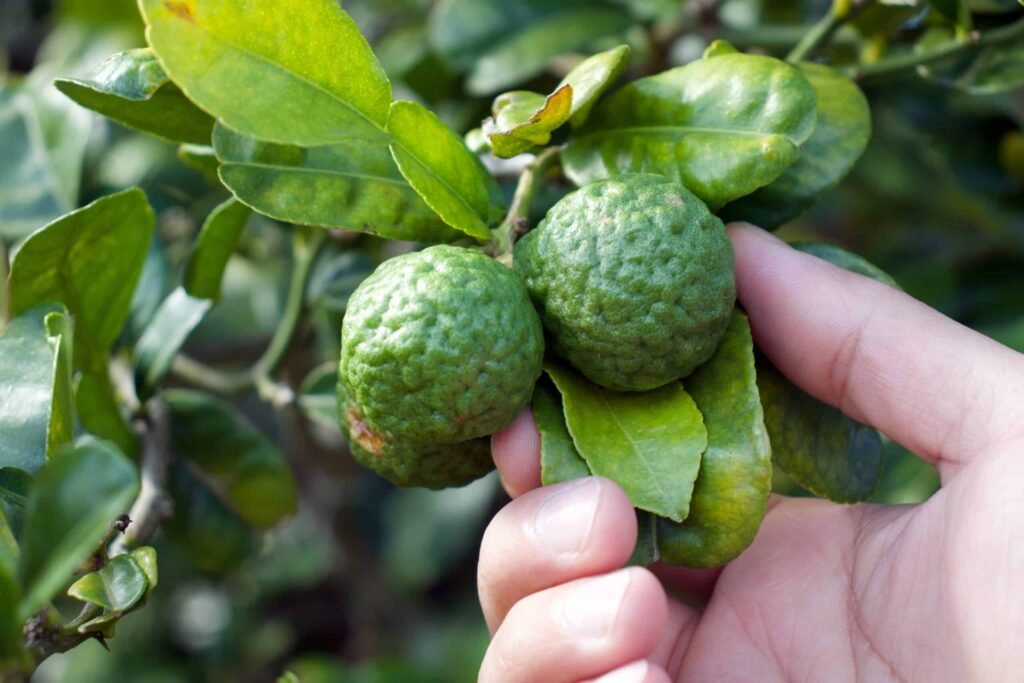
Before starting, gather the following materials:
- Healthy lime tree for top working
- Scion wood from a desirable lime variety (preferably 1-year-old shoots)
- Sharp knife or grafting blade
- Grafting tape or parafilm
- Rootstock-compatible sealant (optional)
- Pruning shears
- Disinfectant (to sterilize tools)
Having all tools ready and sterilized is crucial to prevent infections and ensure successful grafting.
Selecting Scion Wood
The choice of scion wood determines the success and quality of your top working project:
- Healthy and Disease-Free: Choose strong, vigorous shoots free from pests or diseases.
- One-Year-Old Shoots: Mature enough to root quickly but young enough to adapt easily.
- Compatible Variety: Ensure the scion variety is compatible with your existing lime tree.
- Dormant Season: Select scion wood during the dormant season to improve success rates.
Proper selection ensures rapid establishment and high fruit quality.
Preparing the Lime Tree for Top Working
- Prune the Tree: Remove weak, diseased, or damaged branches. Retain a strong framework for grafting.
- Choose Branches to Graft: Select branches that are about 1–2 cm in diameter for optimal compatibility with scions.
- Sterilize Tools: Use disinfectant to prevent disease transmission.
Proper preparation creates a clean, healthy environment for the scions to take successfully.
Top Working Techniques
Several grafting techniques can be used for lime trees:
1. Side Veneer Grafting
- Make a slanted cut on the side of the rootstock branch.
- Prepare a matching cut on the scion.
- Insert the scion into the rootstock cut and secure it with grafting tape.
- Seal exposed areas to prevent moisture loss and infection.
This method is ideal for small to medium-sized branches.
2. T-Budding
- Make a T-shaped cut on the bark of the rootstock.
- Insert a bud from the scion into the cut.
- Wrap with tape to hold the bud in place.
T-budding works well for one-year-old shoots and produces fast results.
3. Whip-and-Tongue Grafting
- Make matching slanted cuts with small tongues on both the scion and rootstock.
- Interlock the cuts to form a strong connection.
- Secure with grafting tape and sealant.
This technique is highly stable and suitable for thicker branches.
Aftercare for Top-Worked Lime Trees
Post-grafting care is critical to ensure success:
- Watering: Keep the soil consistently moist but not waterlogged.
- Protection: Shield grafted areas from direct sun, strong winds, and heavy rain.
- Monitor Growth: Check regularly for scion growth and remove any competing shoots from the rootstock.
- Fertilization: Apply balanced organic fertilizer after scions start growing to support new growth.
- Pest Control: Monitor for aphids, scale, or mealybugs and treat organically if needed.
Proper aftercare encourages rapid healing, strong root development, and vigorous growth.
Common Challenges and Solutions
- Graft Failure: Often caused by incompatible scions, poor technique, or infection. Ensure proper cuts, secure attachment, and sterile tools.
- Scion Drying Out: Wrap tightly with grafting tape and use sealant if needed.
- Slow Growth: Ensure adequate sunlight, water, and nutrition. Remove competing shoots from the rootstock.
- Pests and Diseases: Inspect grafted areas regularly and treat early with neem oil or natural remedies.
Anticipating these challenges improves your chances of success.
Benefits of a Successfully Top-Worked Lime Tree
- High-Quality Fruit: Enjoy larger, juicier, and more flavorful limes.
- Faster Yield: Mature trees produce fruit faster than newly planted saplings.
- Variety Diversity: Grow multiple lime varieties on a single tree.
- Extended Lifespan: Rejuvenate old trees and keep them productive for years.
- Low Maintenance: Strong, healthy trees require less pruning and care.
Top working is a game-changer for gardeners looking to maximize the potential of their lime trees.
Tips for Amazing Results
- Perform top working during the early growing season for best results.
- Keep grafted branches well-supported to avoid breakage.
- Use organic compost and mulch to improve soil fertility and moisture retention.
- Regularly prune competing shoots to direct energy into the scion.
- Observe new growth carefully and provide extra protection from pests and environmental stress.
By following these expert tips, your lime tree will flourish, producing high-quality fruits season after season.
Conclusion
Lime tree top working is a powerful technique for gardeners seeking improved fruit quality, faster yields, and long-term tree health. By carefully selecting scions, using proper grafting techniques, and providing attentive aftercare, you can transform your lime tree into a productive, vibrant, and aesthetically pleasing addition to your garden.
Whether your goal is to rejuvenate an old tree, introduce a new variety, or maximize fruit production, mastering top working allows you to achieve remarkable results efficiently. With patience, practice, and attention to detail, your lime tree will reward you with lush foliage, abundant fruits, and a healthier, more productive garden.
Unlock the full potential of your lime tree today—apply these techniques and watch your garden flourish like never before!