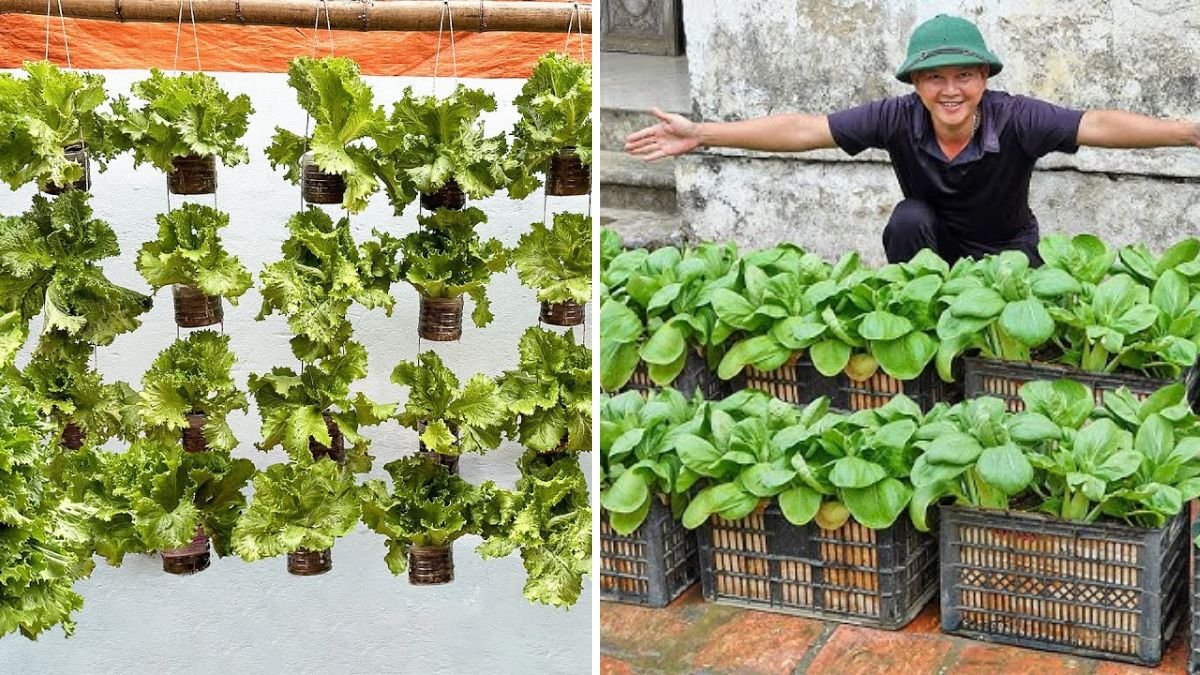

Not everyone wants to spend hours tilling soil, pulling weeds, fertilizing beds, or fighting pests. Many people dream of harvesting fresh vegetables but don’t want the hard work that usually comes with traditional gardening. And here’s the good news—you absolutely don’t need a garden, fancy tools, or constant maintenance to grow your own fresh, organic vegetables.
A new wave of minimalist gardening methods has become popular among busy people, apartment residents, and even those who simply prefer convenience over labor. These “lazy gardener” techniques prove that with a clever setup, vegetables can grow themselves with almost zero effort.
In this article, you’ll discover a simple, practical, and amazingly productive way to grow vegetables without soil, without daily care, and without any gardening experience. If you’ve always wanted a garden but never had the time or energy—this is for you.
Why This No-Garden, No-Maintenance Method Works
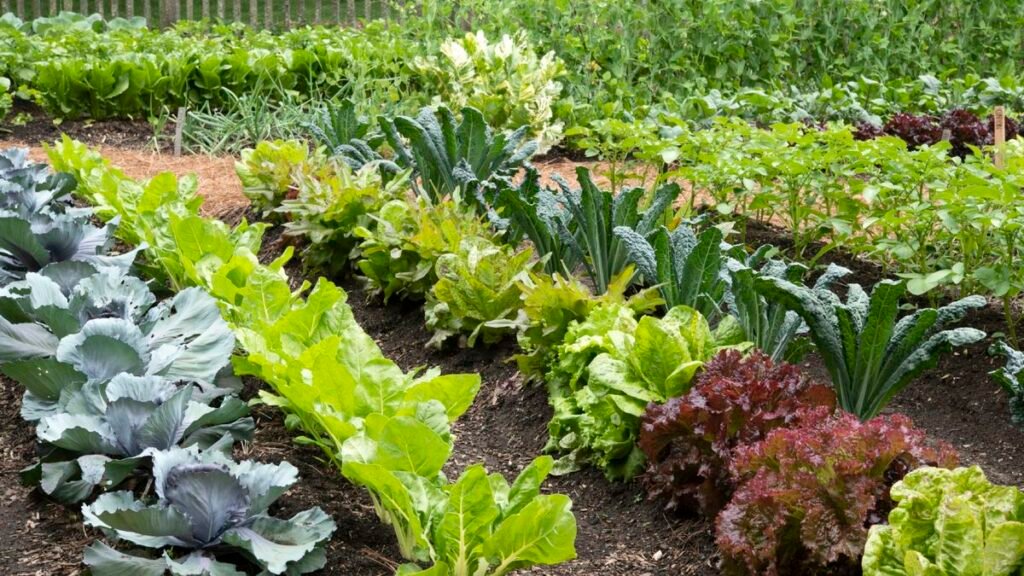
The traditional gardening mindset tells us that plants need land, daily watering, plowing, fertilizers, and constant attention. But modern growing methods—especially container-based and hydroponic systems—show that plants can thrive with minimal human involvement.
Here’s what makes this lazy-gardener approach so effective:
✔ No soil means no weeds
No more pulling grass, weeds, or unwanted plants.
✔ Water recirculates automatically
Self-watering containers ensure plants never dry out.
✔ Nutrients are pre-mixed
Once set up, plants feed themselves consistently.
✔ Less pest exposure
Off-ground setups drastically reduce insects and soil-borne diseases.
✔ Works in any space
Balconies, rooftops, windowsills, or even indoors.
✔ One-time setup
After assembling it, you only refill water occasionally—nothing more.
This technique is perfect for tomatoes, lettuce, spinach, herbs, bok choy, peppers, beans, and more.
The Lazy Gardener’s Secret: The Self-Watering, No-Soil Vegetable System
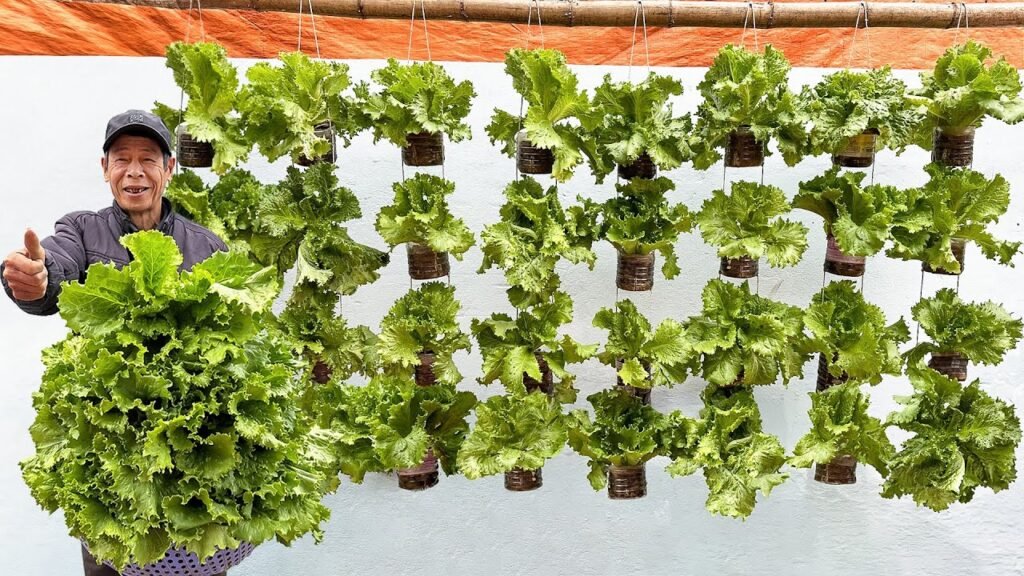
This method uses simple recycled containers, a water reservoir, and a lightweight growing medium. Once set up, you only need to check the water level every 1–2 weeks.
Here’s how to build it and grow vegetables effortlessly.
Step 1: Gather Your Simple Materials
You don’t need expensive hydroponic gear. Here’s what you can use:
Materials
- A plastic bucket, tub, or large water bottle
- A smaller inner basket (colander, net pot, or perforated cup)
- Cocopeat or perlite
- Liquid fertilizer (organic or store bought)
- Cotton rope or wicking cloth
- Water reservoir lid or cover
- Seeds or seedlings (spinach, lettuce, mint, basil, tomato, chili, etc.)
Everything above is extremely low-cost and easy to find.
Step 2: Set Up the “Lazy Garden” Self-Watering System
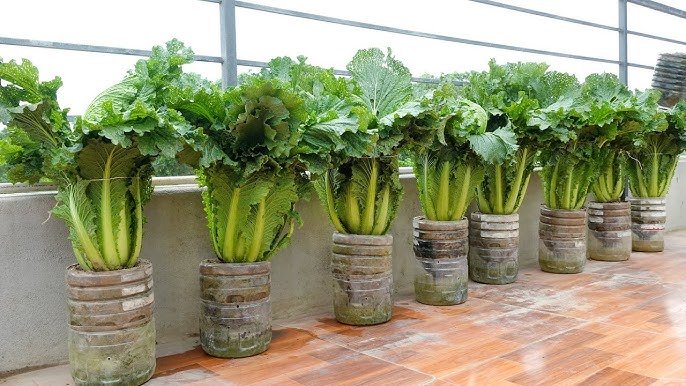
How It Works
A cotton wick pulls water upward from the reservoir to the roots. Plants drink only what they need—no overwatering, no underwatering.
How to Assemble
- Cut a hole in the lid of your water reservoir (bucket or bottle).
- Insert the small basket so it hangs partially inside the bucket.
- Thread 2–3 pieces of cotton rope through the basket so the ends dip into the water.
- Fill the basket with cocopeat (light, clean, no maintenance).
- Place your seeds or seedlings in the growing medium.
- Fill the bottom bucket with water + liquid fertilizer.
- Cover everything to reduce algae and evaporation.
Your setup is now done!
This acts like a self-feeding, self-watering, self-maintaining garden system.
Step 3: Choose Vegetables That Practically Grow Themselves
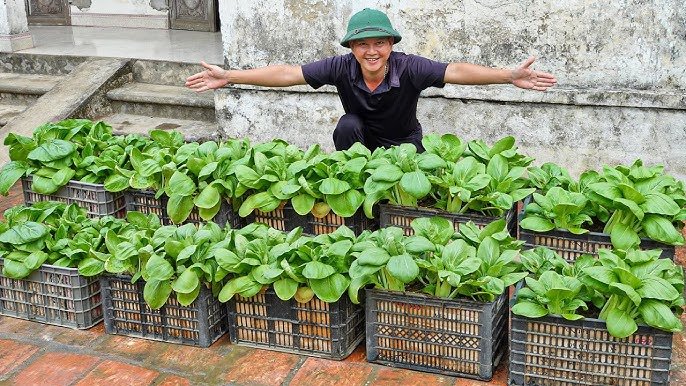
Some vegetables thrive in this lazy gardening method because they require little attention and adapt well to a constant moisture supply.
Best Plants for Lazy Gardeners
- Lettuce and romaine – harvest in 25–30 days
- Spinach – grows nonstop
- Mint and basil – low-maintenance, fast-growing
- Green onions – regrow forever
- Pak choi / bok choy – crisp and easy
- Tomatoes and cherry tomatoes – extremely productive
- Cucumber (small varieties) – excellent for containers
- Chili peppers – long-term producers
- Beans – quick harvest, minimal care
These plants will thrive in your system with almost zero intervention.
Step 4: Let the System Do the Work—No Monitoring Needed
After planting, the system handles everything:
✔ Watering? Automatic
Cotton wicks keep moisture constant.
✔ Feeding? Slow release
Nutrient solution stays in the reservoir.
✔ Aeration? Natural
Cocopeat drains well and prevents rot.
✔ Maintenance? Almost none
Just refill the reservoir every 1–2 weeks.
The setup is so independent that some people go out of town for days, return home, and still find their vegetables thriving.
Step 5: Harvesting – The Best Part for Lazy Gardeners
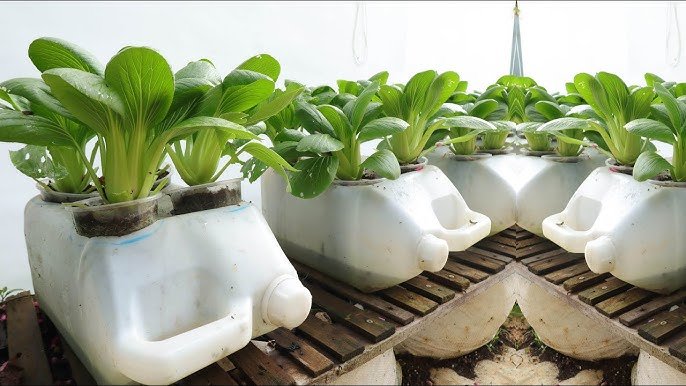
The beauty of this method is that harvesting is incredibly simple.
Leafy vegetables:
Cut the outer leaves and the plant continues producing for weeks.
Herbs:
Pinch the tops and they regrow thicker.
Fruit-bearing plants (tomatoes, chilies, cucumbers):
Pick the ripe fruits and the plant keeps producing more.
Since the roots always receive the right amount of water and nutrients, plants grow faster and fuller than soil-grown vegetables.
Why Lazy Gardeners Love This Method
1. Zero Mess
No soil, no mud, no dirty hands—perfect for balconies and indoors.
2. Minimal Time Investment
Setup takes 15–20 minutes. Maintenance takes 20 seconds a week.
3. Thrives in Any Climate
Because moisture is regulated, plants don’t suffer from drought or overwatering.
4. Saves Money
Grow your own lettuce, herbs, and greens instead of buying them every week.
5. Completely Beginner-Friendly
Even people with “black thumbs” succeed using this system.
Additional Tips to Boost Productivity
🌱 Tip 1: Always use cocopeat; it never compacts
Roots breathe better, leading to faster growth.
💧 Tip 2: Check reservoir water once a week
It’s the only “maintenance” you’ll ever need.
☀️ Tip 3: Give at least 3–5 hours of sunlight
Vegetables grow faster in moderate sunlight.
🍃 Tip 4: Use organic liquid fertilizers
Such as compost tea, seaweed extract, or banana peel water.
🍅 Tip 5: Use larger baskets for tomatoes and cucumbers
Bigger root space means bigger harvests.
Who Is This System Perfect For?
This low-effort gardening method is ideal for:
- Busy workers
- Apartment residents
- Elderly gardeners
- People new to gardening
- Students
- Anyone who dislikes soil mess
- Lazy (but smart!) gardeners who want results without effort
With this setup, vegetables grow quietly in the background while you go about your day.
Final Thoughts: Gardening Has Never Been This Easy
You don’t need land.
You don’t need tools.
You don’t need time.
You don’t even need gardening skills.
This no-garden, no-maintenance vegetable-growing system is revolutionizing the way people grow food at home. Whether you want fresh herbs for cooking, leafy greens for daily salads, or juicy tomatoes for your meals, this lazy gardener-friendly solution gives you everything with almost no effort.
Just set it up once, fill the reservoir, and relax—your vegetables will grow themselves.
If you’d like, I can also create: