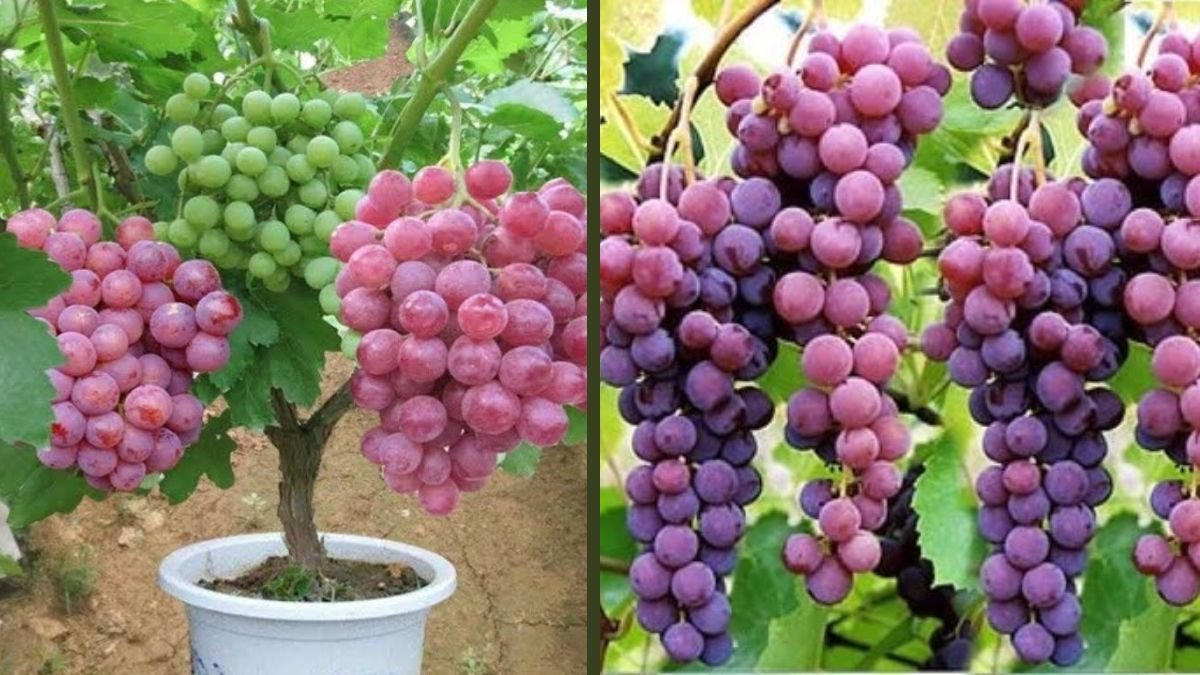

Introduction: Turning Waste Grape Branches into New Plants
Many gardeners throw away dried or withered grape branches after pruning, assuming they are useless. Surprisingly, these branches still contain dormant life capable of producing strong roots. Using plain rice as a natural rooting aid has shown excellent results in grape propagation. Rice provides mild nutrients, moisture balance, and microbial activity that encourage root development. This simple technique is affordable and accessible to everyone. It works well for home gardeners and vineyard beginners alike. With patience and correct method, even weak-looking grape cuttings can grow vigorously. This guide explains everything step by step.
Why Grape Branches Can Regrow
Grape vines store energy in their woody stems. Even after drying, dormant buds remain alive inside. When exposed to moisture and warmth, these buds awaken. Proper conditions trigger root formation before leaf growth. This natural survival mechanism helps grapes spread easily in nature. Gardeners can take advantage of this trait using simple materials. Understanding plant biology improves success rates. Withered does not mean dead in grape plants.
Why Rice Helps Root Development
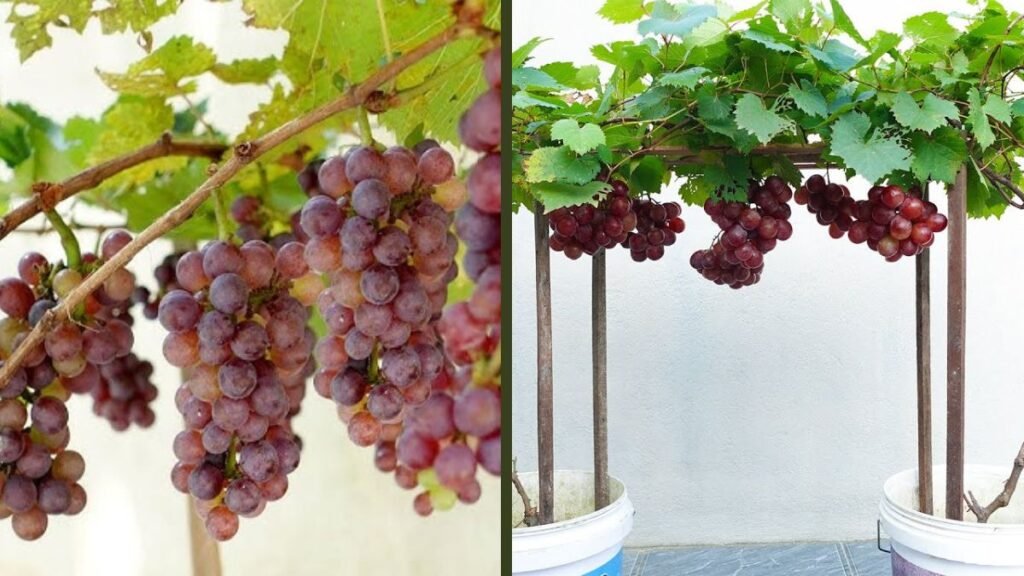
Rice releases mild carbohydrates when soaked. These carbohydrates stimulate beneficial soil microbes. Microbial activity improves nutrient availability. Rice also helps maintain gentle moisture without waterlogging. Unlike chemical rooting hormones, rice is slow and safe. It does not burn cuttings. This natural environment encourages faster and healthier root growth. Rice works especially well in warm climates.
Selecting the Right Grape Branch
Choose mature, pencil-thick grape branches. Avoid diseased or hollow stems. Branches should have at least three to four nodes. Even dry branches should snap slightly when bent. Remove all leaves and tendrils. Healthy selection increases success significantly. Proper cutting choice is the foundation of rooting.
Preparing the Grape Cuttings
Cut the branch into segments of eight to ten inches. Make a slanted cut at the bottom. The top cut should be flat to identify orientation. Remove excess bark if peeling. Clean tools prevent infection. Proper preparation helps roots emerge faster. Always keep cuttings shaded before planting.
Preparing Rice for Rooting
Use plain white rice or brown rice. Soak rice overnight in clean water. Do not cook the rice. The soaking releases nutrients slowly. Drain excess water before use. Rice should be moist, not soggy. This creates the ideal rooting medium. Fresh rice water can also be used.
Planting Grape Cuttings with Rice
Dig a small pit or use a container. Place soaked rice at the bottom. Insert grape cutting so nodes remain above rice level. Cover lightly with soil or cocopeat. Press gently to remove air gaps. Water lightly after planting. Avoid deep burial.
Ideal Growing Conditions
Place cuttings in partial shade. Avoid direct sunlight initially. Maintain moderate humidity. Water sparingly but consistently. Too much water can rot cuttings. Warm temperatures encourage faster rooting. Protect from strong wind and rain.
Timeline for Root Development
Roots usually appear within two to four weeks. Some cuttings take longer depending on climate. Avoid disturbing cuttings early. New leaf growth indicates root success. Strong root systems form before visible shoots. Patience is key to success.
Watering and Moisture Control
Check soil moisture regularly. Rice helps retain moisture naturally. Overwatering must be avoided. Light watering every two to three days is sufficient. Good drainage is essential. Balanced moisture promotes healthy root formation.
Soil Choices for Better Results
Loose soil works best. Mix garden soil with sand and compost. Avoid heavy clay soil. Soil should allow air circulation. Healthy roots need oxygen. Good soil improves survival rate significantly.
Common Mistakes to Avoid
Using rotten branches reduces success. Overwatering causes fungal rot. Direct sunlight burns cuttings. Pulling cuttings to check roots damages growth. Using cooked rice attracts pests. Avoiding these mistakes ensures better results.
Transplanting Rooted Cuttings
Once roots are strong, transplant carefully. Choose a sunny location gradually. Harden plants before full sun exposure. Avoid root disturbance. Water well after transplanting. Proper handling ensures continued growth.
Growth After Transplanting
New shoots grow rapidly once established. Support young vines with stakes. Begin light fertilization after one month. Avoid heavy pruning early. Healthy vines develop quickly.
Benefits of Rice Propagation Method
No chemical hormones needed. Extremely low cost. Environmentally friendly. Easy for beginners. High success rate when done correctly. Suitable for home gardens and farms.
Comparison Table: Traditional vs Rice Method
| Aspect | Traditional Rooting Hormone | Rice Rooting Method |
|---|---|---|
| Cost | Medium to High | Very Low |
| Availability | Limited | Easily Available |
| Chemical Use | Yes | No |
| Root Safety | Moderate | High |
| Beginner Friendly | Moderate | Very High |
Suitable Climate Conditions
Works best in warm and mild climates. Can be done indoors in cold regions. Avoid frost exposure. Controlled environment improves success.
Long-Term Vine Care
Prune lightly after establishment. Train vines properly. Provide regular watering. Use organic compost. Healthy roots lead to productive vines.
Sustainability Benefits
Reduces plant waste. Encourages reuse of pruned material. Eliminates chemical use. Promotes eco-friendly gardening. Ideal for sustainable agriculture.
Conclusion
Using rice to root withered grape branches is a simple and powerful gardening trick. It transforms waste into productive plants. With patience and proper care, anyone can grow grapes at home using this natural technique.