
Introduction
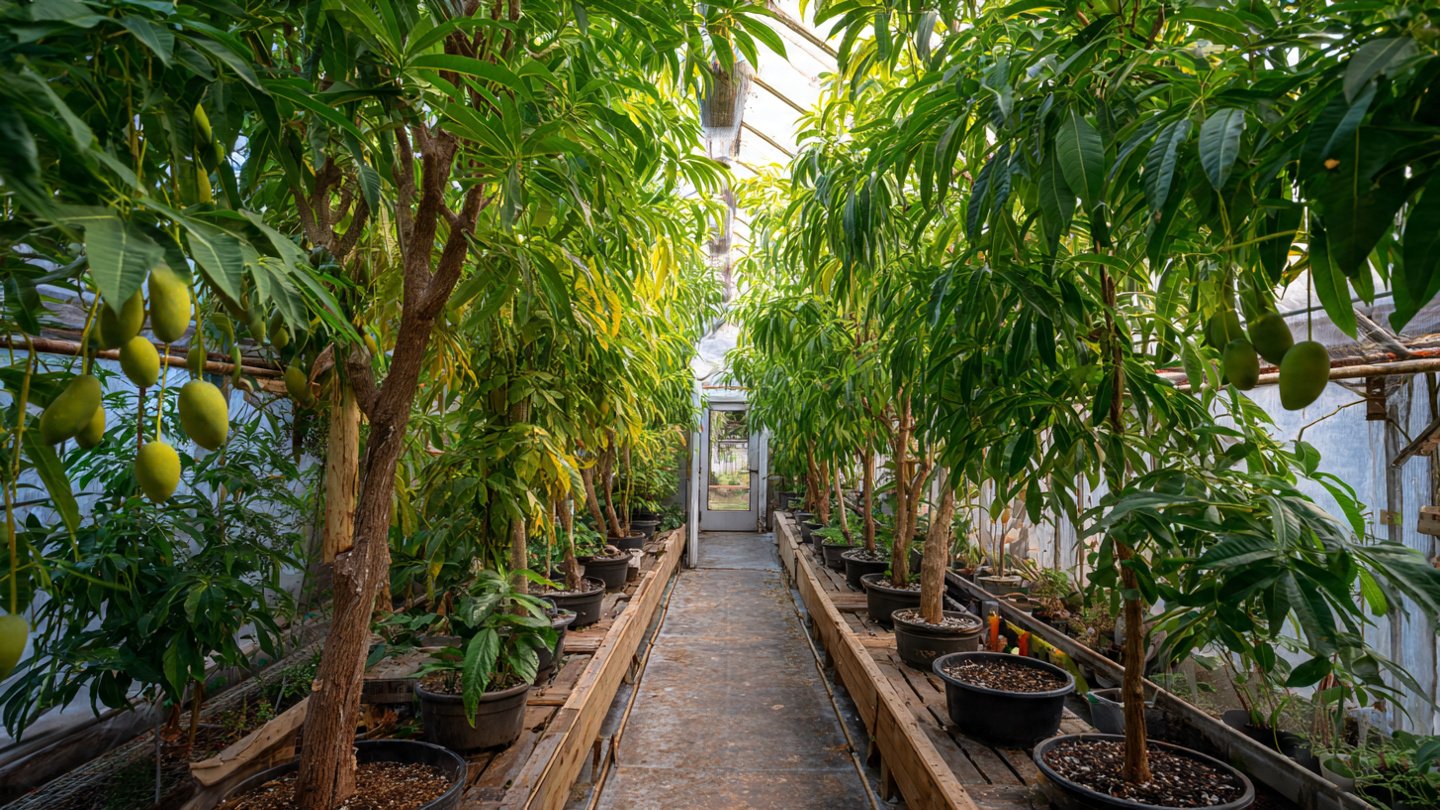
The mango (Mangifera indica) is often referred to as the “king of fruits” for its sweet, juicy flesh and diverse culinary uses. For many tropical and subtropical regions, mangoes are a beloved staple. However, for those in temperate climates, the challenge of growing exotic varieties can seem daunting. With the increasing popularity of greenhouse gardening, many enthusiasts are asking whether it is possible to successfully grow exotic mangoes in a controlled environment. This article explores the viability, requirements, and best practices for cultivating mangoes in a greenhouse setting.
The Benefits of Growing Mangoes in a Greenhouse
Using a greenhouse to grow mangoes comes with numerous benefits:
- Controlled Environment: A greenhouse allows for regulation of temperature, humidity, and light, creating optimal conditions for mango growth.
- Pest Control: Enclosing mango plants in a greenhouse can help protect them from pests and diseases that are common in outdoor settings.
- Extended Growing Season: Greenhouses provide a longer growing season, enabling mangoes to mature even in non-tropical climates.
- Variety Preservation: Exotic mango varieties can be maintained in a greenhouse, contributing to biodiversity and offering unique flavors.
Choosing the Right Exotic Mango Varieties
Not all mango varieties are suited for greenhouse cultivation. When selecting exotic mangoes, consider the following varieties known for their adaptability:
- Haden: Known for its sweet flavor and vibrant color, Haden mangoes thrive with proper care and are quite popular in cultivation.
- Alphonse: This Indian variety is highly prized for its rich sweetness and is a good choice for greenhouse growing.
- Tommy Atkins: A resilient variety, Tommy Atkins is less susceptible to diseases and offers a good yield.
- Pearl: Originating from the Philippines, this mango is compact and well-suited for smaller spaces in a greenhouse.
Essential Growth Conditions
Successful mango cultivation in a greenhouse requires attention to several critical factors:
- Temperature: Mangoes thrive in temperatures between 75°F and 95°F (24°C to 35°C). Night temperatures should not drop below 50°F (10°C) to prevent stress on the plants.
- Humidity: Maintaining humidity levels between 50% and 70% is crucial. Using humidifiers or water trays can help achieve this balance.
- Lighting: Mango trees require plenty of sunlight—ideally 6 to 8 hours of direct light per day. Grow lights may be necessary in winter months or cloudy climates.
- Soil: Well-draining soil is essential for mango trees. A blend of potting mix, sand, and perlite or vermiculite can provide the right drainage and nutrients.
Watering and Fertilization
Proper watering and fertilization practices are essential for healthy mango trees:
- Watering: Young mango trees require regular watering to establish roots, while mature trees prefer moderate watering. Watering should be reduced during dormancy.
- Fertilization: A balanced fertilizer with nitrogen, phosphorus, and potassium is recommended during the growing season. Organic options such as compost can also be valuable.
Pollination Considerations
Mangoes are typically pollinated by insects, particularly bees. In a greenhouse, manual pollination may be necessary to ensure fruit set. This can be done by gently transferring pollen from the male flowers to the female flowers using a small brush or cotton swab. Ensuring the presence of bees or other pollinators can further enhance success.
Common Pests and Diseases
Even in a controlled environment, mangoes are susceptible to certain pests and diseases:
- Aphids: These small insects can be managed using insecticidal soap or by introducing beneficial insects like ladybugs.
- Powdery Mildew: This fungal disease requires adequate air circulation and can be treated with fungicides or by removing infected leaves.
- Scale Insects: Regular monitoring and the application of horticultural oil can help control scale populations.
Harvesting Mangoes
Harvesting mangoes at the right time is crucial for optimal flavor and texture. Generally, mangoes should be harvested when they start to change color and feel slightly soft when gently squeezed. Depending on the variety, this can take anywhere from 4 to 5 months after flowering. Handle the fruit carefully to avoid bruising.
Conclusion
Growing exotic mangoes in a greenhouse can be a rewarding endeavor for gardeners willing to provide the care and conditions necessary for optimal growth. With a controlled environment, the right choice of varieties, and attention to watering, fertilization, and pest management, it is entirely possible to enjoy the sweet, succulent fruits of exotic mangoes. As greenhouse technology continues to advance, the potential for cultivating mango trees in non-traditional areas expands, making this tropical delight accessible to many more gardening enthusiasts.
FAQs
1. Can I grow mangoes from seeds?
Yes, you can grow mangoes from seeds, but they may take longer to bear fruit (up to 6-8 years) compared to grafted trees. Grafted trees will generally yield fruit in about 3-5 years.
2. Do mangoes need cross-pollination?
While mango trees can self-pollinate, cross-pollination can enhance fruit set and quality. Having multiple varieties in a greenhouse can improve overall yields.
3. How often should I water mango trees in a greenhouse?
The frequency of watering will depend on the humidity and temperature. Generally, young plants should be watered every few days, while mature trees may only need watering once a week, allowing the soil to dry slightly between waterings.
4. What is the best time of year to plant mangoes in a greenhouse?
Spring is typically the best time to plant mango trees in a greenhouse, as it aligns with their natural growing cycle and offers the required warmth for growth.
5. Can mango trees survive winter in a greenhouse?
Yes, with appropriate heating and environmental controls, mango trees can survive winter in a greenhouse. Ensure that temperatures do not drop below 50°F (10°C).