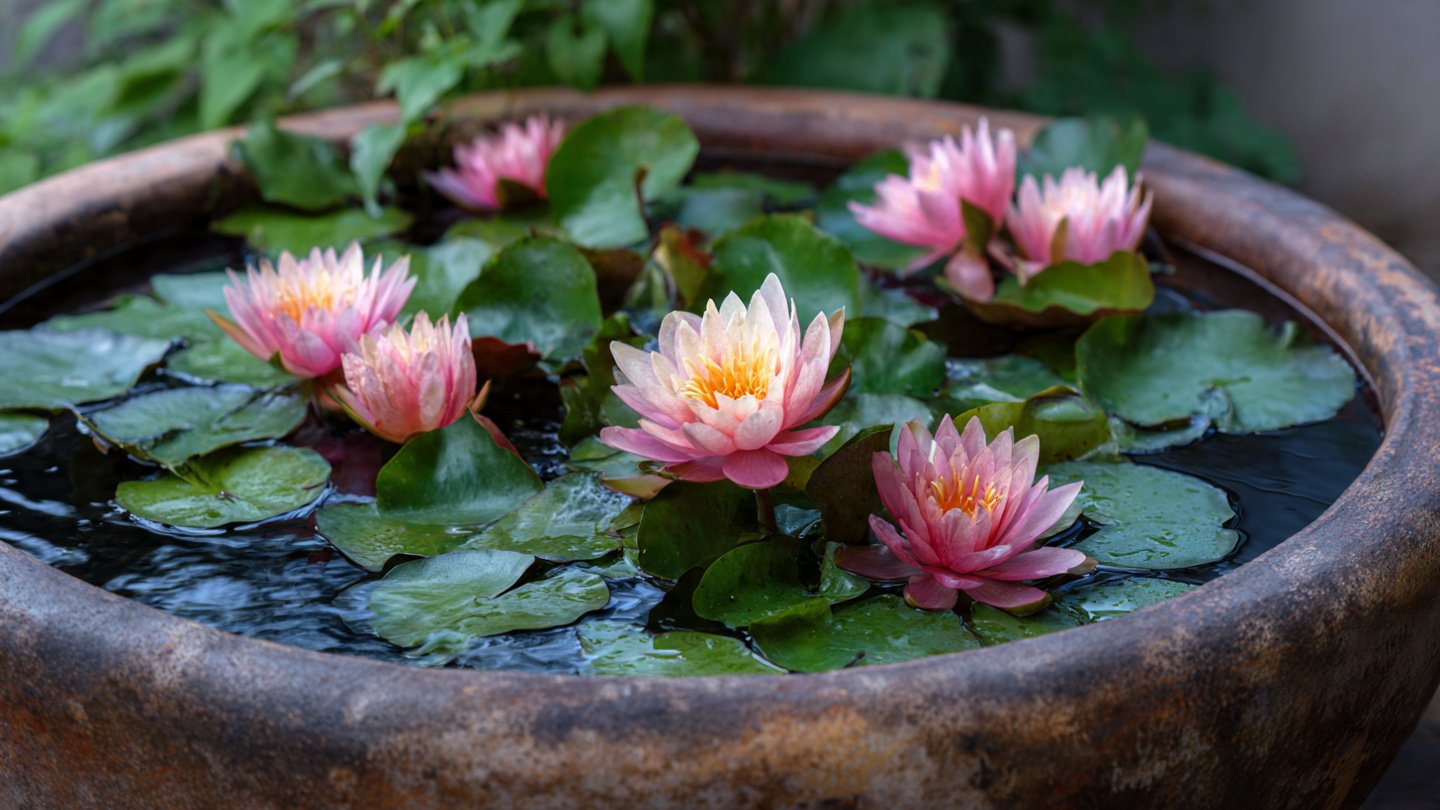

Water lilies are among the most enchanting aquatic plants you can incorporate into your garden or outdoor space. Their lush foliage and beautiful blooms add a touch of elegance and tranquility, transforming any pond or container into a serene sanctuary. Growing water lilies in containers allows you to enjoy these captivating plants even if you don’t have a large pond. Here’s how to successfully cultivate water lilies in containers, along with some tips for optimal care and design, ensuring your outdoor spaces look stunning.
Choosing the Right Container
Size and Material
- Size Matters: Water lilies require sufficient space for their roots to thrive. Select a container that is at least 12 inches deep and 18 inches in diameter. Larger containers can accommodate larger varieties of water lilies.
- Material: Choose materials that will not leach harmful chemicals into the water. Traditional clay pots, plastic containers, and even wooden half-barrels are popular choices. Ensure your container has drainage holes for excess water management.
Location Considerations
Position your container in a location that receives at least six hours of sunlight daily. Sunlight is essential for growth and blooming. Avoid shady areas to ensure your water lilies thrive and produce beautiful flowers.
Selecting the Right Water Lily Varieties
Water lilies come in two primary types: hardy and tropical.
-
Hardy Water Lilies: Ideal for cooler climates, hardy varieties like ‘Pamela’ or ‘James Brydon’ can survive winter months when planted in water more than two feet deep. They bloom in stunning colors, enhancing the garden’s aesthetics.
-
Tropical Water Lilies: These require warmer temperatures and are best suited for climates where they can thrive year-round. Varieties such as ‘Blue Mystique’ and ‘Queen of Siam’ are popular due to their vibrant blooms.
Bloom Colors and Sizes
When selecting water lilies, consider both the bloom size and color. Flowers can range from small to large, and colors vary from white, yellow, and pink to vibrant shades of blue and purple. Reflect on the overall design of your outdoor space when making selections; contrasting colors can create stunning visual displays.
Planting Water Lilies in Containers
Procedure
-
Prepare the Container: Start by filling the container with aquatic soil designed for water plants. Do not use regular potting soil, as it may cloud the water and not drain properly.
-
Planting: Place the water lily tuber on the soil surface and cover it with an additional layer of soil (about 1-2 inches). Ensure the growing point of the tuber is not overly buried.
-
Weighting: Water lilies can float, so it may be necessary to add gravel or small stones on top of the soil to anchor the plant. This will also help prevent the soil from clouding the water.
-
Water: Gently lower the container into a pond or fill it with water. If using a temporary setup with a bucket, fill it with water immediately after planting.
Caring for Your Water Lilies
Water Quality
Maintain optimal water quality for the health of your water lilies:
- pH Level: Aim for a pH level between 6.0 and 8.5, as water lilies prefer neutral to mildly alkaline water.
- Clear Water: Regularly check the water quality and clear any debris or algae to prevent overcrowding and ensure sufficient sunlight reaches the plants.
Fertilization
Water lilies benefit from fertilization during the growing season:
- Types: Use slow-release fertilizer pellets formulated for aquatic plants.
- Application: When the plants are actively growing, apply the fertilizer about once a month, following package instructions.
Pruning and Deadheading
Regular maintenance will ensure your water lilies remain healthy and attractive:
- Pruning: Remove any dead or yellowing leaves to encourage new growth and maintain aesthetic appeal.
- Deadheading: After a flower has faded, pinch it off to prevent disease and direct energy towards new blooms.
Winter Care
In colder climates, winterizing your water lilies is crucial:
- Hardy Varieties: If your container is deep enough, allow them to remain submerged in the water. If not, you can bring them indoors to a cool, dark place until spring.
- Tropical Varieties: These should be kept indoors during colder months and can be placed in a sunny area or a grow light to continue flourishing.
Designing Your Outdoor Space with Water Lilies
Complementary Plants
Enhancing your container water lilies with other aquatic plants can create a captivating display:
- Marginal Plants: Use plants like cattails or rushes around the edges of the container for added height and texture.
- Floating Plants: Adding floating plants like duckweed or water lettuce provides additional habitat for wildlife and can create a layered look.
Using Decorative Containers
While functionality is key, aesthetics play a significant role in your outdoor design:
- Color: Choose colors that complement your garden theme. Brightly colored pots can serve as focal points, while neutral tones can blend seamlessly into a tranquil landscape.
- Style: Consider the architecture of your home and garden. Rustic containers may suit a cottage-style home, while sleek modern pots can enhance contemporary spaces.
Common Challenges and Solutions
Algae Growth
Algae can be a common issue in ponds and containers due to excess nutrients.
Solution: Maintain proper water chemistry, don’t over-fertilize, and ensure good circulation to minimize algae growth.
Pests and Diseases
Look out for pests such as aphids and fungi.
Solution: Regularly inspect your plants and use organic pesticides or fungicides if necessary. Ensure good air circulation to prevent mold.
Poor Growth
If your water lilies aren’t thriving, it may be due to insufficient sunlight or poor water quality.
Solution: Ensure the planting location receives enough sunlight and test the water quality regularly, making adjustments as needed.
FAQs
Q1: How deep should my water lily container be?
A1: Ideally, your container should be at least 12 inches deep to accommodate the roots of the water lily.
Q2: Can I grow water lilies in a regular pot?
A2: It’s best to use a container designed for aquatic plants, as regular pots may leak chemicals and won’t retain enough moisture.
Q3: How often should I change the water in my container?
A3: It’s usually unnecessary to change the water frequently, but you should replace 10-15% of it every couple of weeks to maintain freshness.
Q4: What’s the best time to fertilize water lilies?
A4: Fertilize water lilies during the growing season, typically in spring through summer, about once a month.
Q5: Can I keep tropical water lilies outdoors year-round?
A5: Tropical water lilies need to be moved indoors during winter in cooler climates, as they cannot survive freezing temperatures.
Q6: Will water lilies attract mosquitoes?
A6: Water lilies can help deter mosquitoes by providing habitat for beneficial insects. However, stagnant water can attract them, so ensure good water circulation or add some fish to consume larvae.