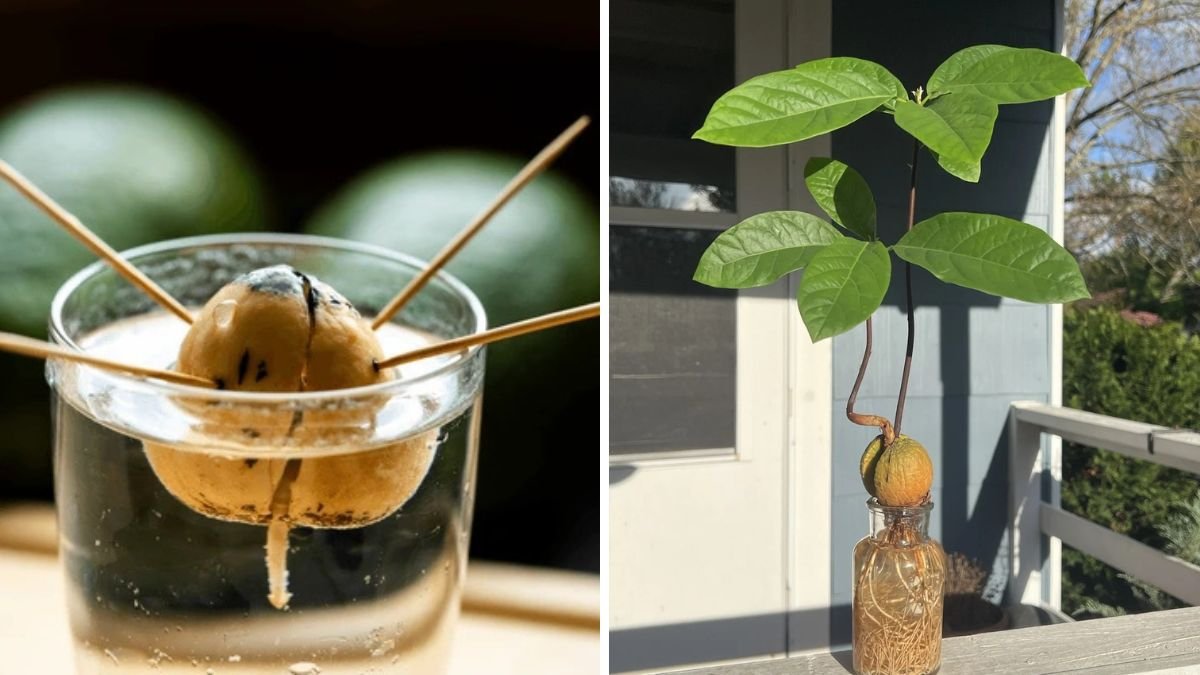

Growing an avocado plant from a pit is a rewarding and educational experience. Many people throw away avocado pits without realizing their potential. With simple steps, you can grow a healthy plant at home. Avocado plants bring greenery and freshness indoors. They also teach patience and plant care basics. This process is suitable for beginners. Watching the pit sprout roots is exciting. This guide explains every step clearly.
Understanding the Avocado Pit and Its Growth Cycle
An avocado pit contains everything needed to grow a plant. Inside the seed lies stored energy. When provided moisture and warmth, it begins to sprout. Root growth usually starts first. The stem follows after roots develop. Growth speed depends on temperature and care. Understanding the cycle prevents mistakes. Proper timing ensures success. Knowledge leads to healthier plants.
Choosing the Right Avocado Fruit
Selecting a healthy avocado is important. Choose ripe but not overripe fruit. Avoid damaged or moldy avocados. Larger pits usually grow stronger plants. Hass avocados are commonly used. Organic fruits reduce chemical exposure. A good pit improves germination success. Quality selection saves time and effort.
Preparing the Avocado Pit for Planting
After removing the pit, clean it gently. Do not remove the brown outer skin. Identify the top and bottom of the pit. The pointed end grows upward. Cleaning prevents fungal growth. Handle carefully to avoid cracks. Proper preparation supports sprouting. A healthy pit grows faster.
Water Sprouting Method Explained
Water sprouting is the most popular method. Insert toothpicks into the pit sides. Suspend the pit over a glass of water. The bottom should touch water. Place in a warm, bright area. Change water regularly. Roots appear in two to six weeks. This method allows visible growth.
Soil Planting Method for Avocado Pits
Direct soil planting is another option. Use well-draining potting soil. Plant the pit halfway into the soil. The top half remains exposed. Water lightly but consistently. Place in indirect sunlight. Soil planting reduces transplant shock. Roots grow naturally underground. This method suits patient growers.
Ideal Temperature and Light Conditions
Avocado pits need warmth to sprout. Ideal temperature ranges between moderate room warmth. Avoid cold drafts and direct heat. Bright indirect sunlight works best. Too much sun dries the pit. Too little light slows growth. Balanced conditions encourage steady sprouting. Light placement affects plant strength.
Watering Needs During Early Growth
Consistent moisture is essential. Avoid waterlogging the pit. Overwatering causes rot. Soil should feel slightly moist. Water sprouting requires frequent water changes. Clean water prevents bacteria. Balanced watering supports root development. Proper moisture management is critical.
Watching the Pit Split and Sprout
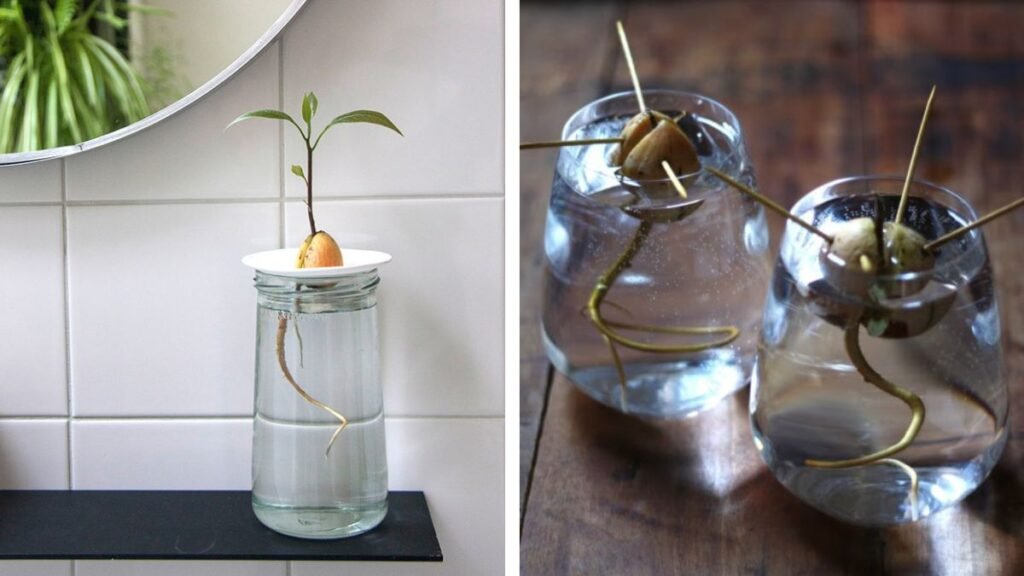
The pit cracks open naturally. Roots emerge from the bottom. A stem grows upward afterward. This stage is exciting to observe. Avoid disturbing the pit. Growth speed varies by environment. Patience is necessary. Each stage signals healthy progress.
Transplanting the Sprouted Pit into Soil
Once roots are strong, transplant carefully. Choose a pot with drainage holes. Use nutrient-rich soil. Place roots gently without bending. Water after planting. Avoid deep burial of the pit. Transplanting allows further growth. Proper handling prevents shock.
Pot Size and Container Selection
Choose a medium-sized pot initially. Too large retains excess moisture. Too small restricts roots. Drainage holes are essential. Clay or plastic pots work well. Size affects watering frequency. Container choice influences growth. Proper pot selection supports healthy development.
Pruning for Bushier Growth
Pruning encourages branching. Trim the stem when it reaches a certain height. This prevents legginess. New shoots form after pruning. Pruning improves appearance. It strengthens the plant. Controlled pruning shapes growth. Healthy pruning leads to fuller plants.
Fertilizing Your Avocado Plant
Young avocado plants need light feeding. Use balanced liquid fertilizer. Apply during active growth seasons. Avoid overfertilization. Organic compost also works. Nutrients support leaf development. Feeding enhances plant strength. Fertilization should be minimal.
Common Problems and Solutions
Yellow leaves indicate overwatering. Drooping suggests underwatering. Slow growth may mean low light. Root rot occurs from poor drainage. Adjust care based on symptoms. Early correction saves plants. Observation helps prevent damage. Simple fixes solve most issues.
Indoor vs Outdoor Avocado Growing
Indoor growing offers climate control. Outdoor growing provides stronger light. Indoor plants grow slower. Outdoor plants need protection from cold. Choose based on space and climate. Both methods work with care. Environment affects final size. Decide based on conditions.
Growth Timeline Expectations
Sprouting takes weeks. Leaves appear after months. Growth is slow initially. Avocado trees take years to fruit. Homegrown plants are decorative. Patience is essential. Consistent care yields results. Growth improves over time.
Table: Avocado Pit Growth Stages
| Growth Stage | Time Period | Key Requirement | Visible Change |
|---|---|---|---|
| Sprouting | Two to six weeks | Moisture and warmth | Root emergence |
| Stem growth | One to two months | Light and water | Stem formation |
| Leaf growth | Three to four months | Nutrients | Leaf development |
| Plant maturity | One year plus | Space and care | Taller plant |
Seasonal Care Tips
Reduce watering in cooler months. Increase light exposure in winter. Avoid cold temperatures. Fertilize in spring. Monitor moisture levels. Seasonal care prevents stress. Adjust routines accordingly. Healthy plants adapt better.
Long-Term Care and Maintenance
Repot as the plant grows. Refresh soil yearly. Prune occasionally. Monitor pests regularly. Clean leaves for photosynthesis. Long-term care ensures longevity. Maintenance keeps plants attractive. Healthy plants thrive indoors.
Benefits of Growing Avocado at Home
Avocado plants enhance indoor décor. They purify air naturally. Growing from seed saves money. It teaches gardening skills. Homegrown plants bring satisfaction. They are eco-friendly. Gardening reduces stress. Avocado growing is rewarding.
Conclusion: From Pit to Plant Success
Growing an avocado from a pit is simple. Proper preparation ensures success. Patience is key throughout the process. With care, plants thrive indoors. Each growth stage is rewarding. This guide simplifies the journey. Anyone can grow an avocado. Start planting today.