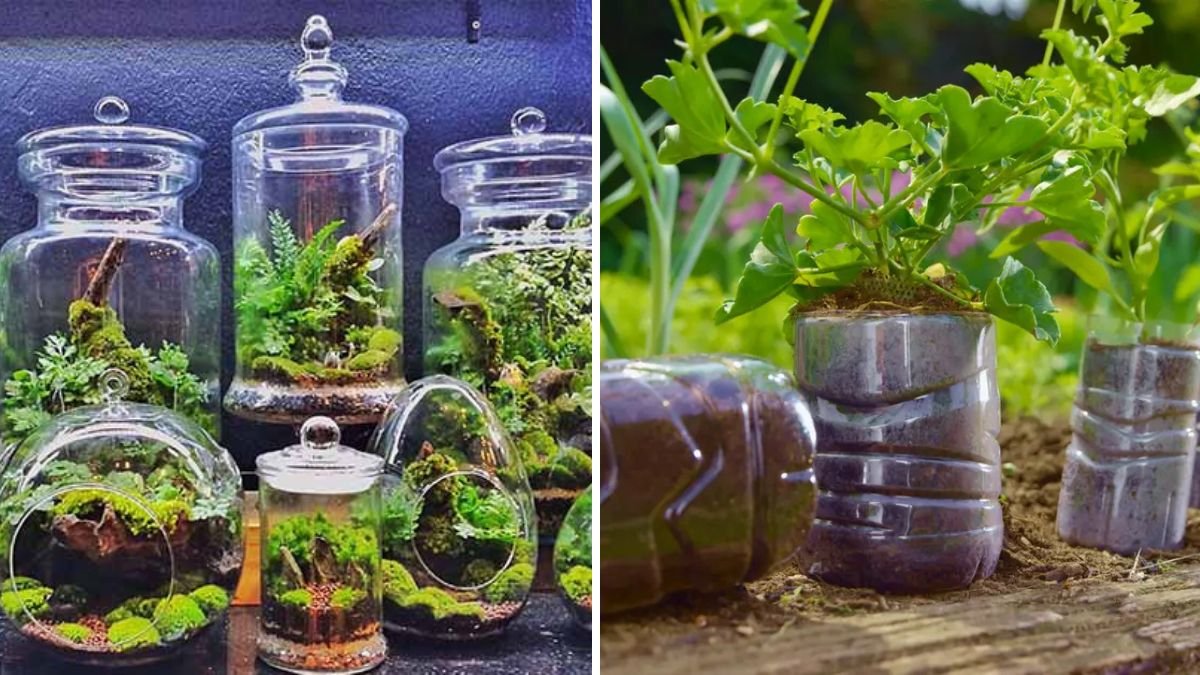

Gardening is a rewarding hobby, but not everyone has access to a backyard or large garden. Fortunately, a bottle garden is a creative and practical solution for growing plants in small spaces. Also known as a terrarium, a bottle garden is essentially a mini-ecosystem inside a transparent container. It can be placed on a windowsill, desk, balcony, or any small area, allowing you to enjoy the beauty of plants even in limited spaces. With the right materials, techniques, and care, you can create a thriving bottle garden that adds greenery and charm to your home.
What is a Bottle Garden?
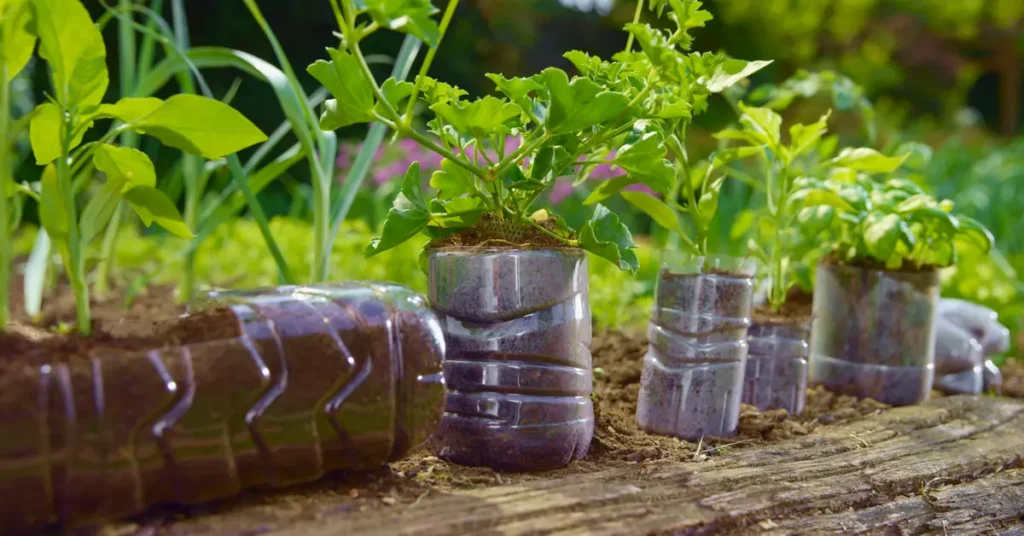
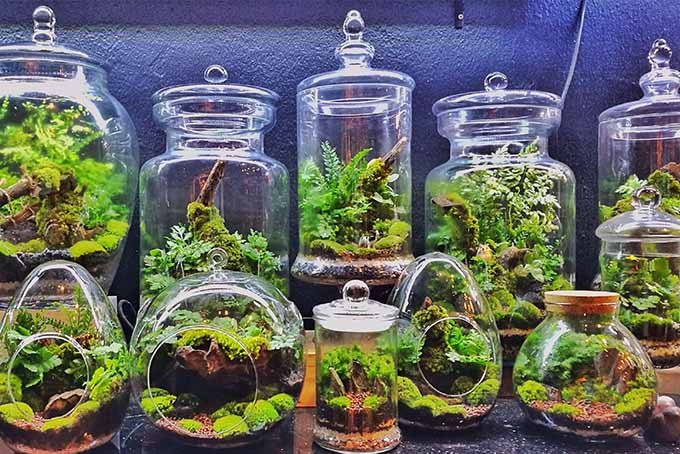
A bottle garden is a self-contained ecosystem in a glass container, often using recycled bottles, jars, or vases. It typically includes layers of soil, drainage material, and plants, sometimes with decorative elements like pebbles, moss, or miniature figurines.
Benefits of a Bottle Garden:
- Space-Efficient: Perfect for apartments, offices, or small balconies.
- Low Maintenance: Closed bottle gardens can recycle moisture, reducing the need for frequent watering.
- Aesthetic Appeal: Adds natural beauty and a calming effect to indoor spaces.
- Educational: Demonstrates principles of ecology, water cycles, and plant growth.
- Creative Outlet: Allows customization with different plants, decorations, and designs.
Choosing the Right Bottle
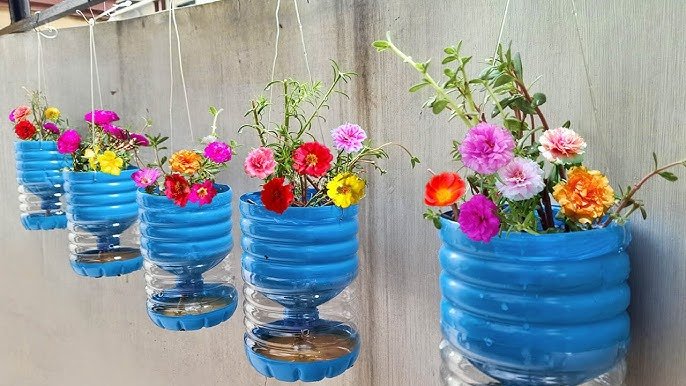
Selecting the right container is essential for a successful bottle garden:
- Size: Larger bottles provide more space for roots and allow for a balanced ecosystem. Small bottles are suitable for decorative terrariums with low-maintenance plants.
- Shape: Wide-mouthed bottles are easier to plant and maintain, while narrow-neck bottles offer a more dramatic look but require careful planting tools.
- Material: Clear glass is ideal as it allows sunlight to reach the plants and showcases the layers of soil and decorations.
Repurposed glass bottles, jars, or even old vases can be transformed into charming bottle gardens.
Selecting Plants for a Bottle Garden
Not all plants are suitable for bottle gardens. Choose species that thrive in contained environments with high humidity and limited root space:
- Succulents: Require good drainage; ideal for open-top bottle gardens.
- Mosses: Perfect for closed bottle gardens, adding a lush green carpet.
- Ferns: Small varieties adapt well to humid conditions.
- Air Plants (Tillandsia): Do not require soil, making them ideal for creative arrangements.
- Herbs: Small herbs like thyme, oregano, or mint can grow in open bottle gardens.
When selecting plants, consider their growth rate and compatibility to ensure the ecosystem remains balanced.
Materials Needed to Make a Bottle Garden
To create a bottle garden, gather the following materials:
- Glass bottle or jar
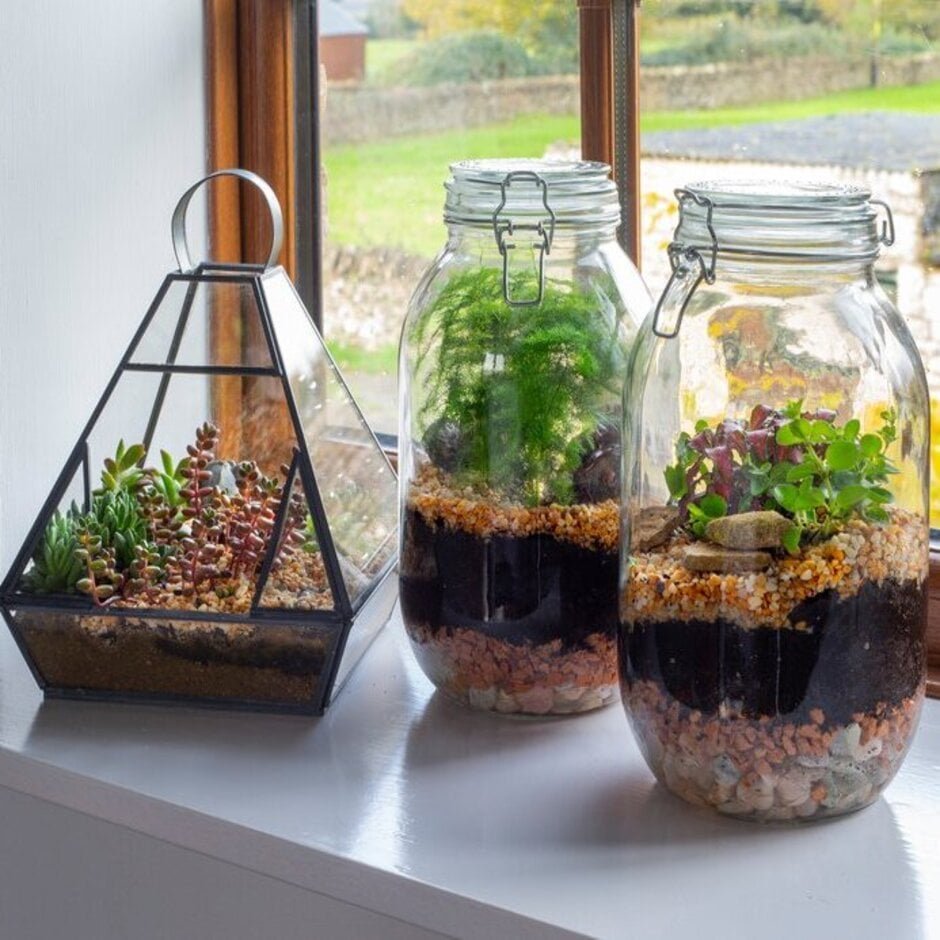
- Small pebbles or gravel for drainage
- Activated charcoal to prevent odor and mold
- Potting soil suitable for chosen plants
- Plants (succulents, moss, ferns, or air plants)
- Decorative elements (optional: shells, figurines, colored stones)
- Tweezers, chopsticks, or small trowels for planting
Having all materials ready simplifies the planting process and ensures success.
Step-by-Step Guide to Making a Bottle Garden
Step 1: Clean the Bottle
- Wash the bottle thoroughly with soap and water.
- Remove any labels and residue to ensure transparency and cleanliness.
Step 2: Add Drainage Layer
- Place a layer of small pebbles or gravel at the bottom of the bottle.
- This prevents waterlogging and promotes healthy root growth.
Step 3: Add Activated Charcoal
- Add a thin layer of activated charcoal above the pebbles.
- Charcoal keeps water fresh, reduces odor, and prevents mold.
Step 4: Add Potting Soil
- Add soil suitable for your chosen plants.
- For succulents, use a sandy, well-draining soil; for moss or ferns, use standard potting soil.
- Create small pockets for each plant if using multiple species.
Step 5: Plant Your Greenery
- Gently remove plants from their nursery pots.
- Place them in the soil, using tweezers or chopsticks for precise positioning in narrow bottles.
- Press soil gently around roots to secure the plants.
Step 6: Add Decorative Elements
- Place moss, small stones, shells, or miniature figurines around the plants.
- This adds personality and visual appeal to your bottle garden.
Step 7: Watering
- Water sparingly, especially in closed bottle gardens.
- Mist plants or add a few drops of water at a time to avoid overwatering.
- Observe the bottle for condensation; in closed systems, excess water can be absorbed by the soil.
Step 8: Position Your Bottle Garden
- Place the bottle in bright, indirect sunlight.
- Avoid direct sunlight, as it can overheat and damage plants.
- Maintain a consistent temperature for optimal growth.
Care Tips for a Bottle Garden
- Light Requirements: Ensure plants receive adequate light; most indoor plants thrive in bright, indirect sunlight.
- Humidity Management: Closed bottle gardens maintain high humidity naturally, while open gardens may need occasional misting.
- Watering: Check soil moisture regularly. Water only when soil is dry to avoid root rot.
- Pruning: Trim dead leaves and overgrown plants to maintain a balanced appearance.
- Cleaning: Occasionally wipe the inside of the glass to remove algae or dust.
Common Mistakes to Avoid
- Overwatering: Too much water can cause mold and root rot.
- Direct Sunlight: Placing the bottle in harsh sunlight may overheat the plants.
- Crowding Plants: Overcrowding can limit growth and airflow.
- Neglecting Maintenance: Regular pruning and cleaning are essential to maintain a healthy ecosystem.
Benefits of Bottle Gardens
- Mental Wellbeing: Caring for plants reduces stress and enhances mood.
- Educational Tool: Demonstrates the water cycle, plant growth, and micro-ecosystems.
- Eco-Friendly: Reusing bottles and jars promotes recycling.
- Indoor Air Quality: Plants in bottle gardens can improve air quality and humidity.
- Decorative Appeal: Adds charm and greenery to any small space, including apartments and offices.
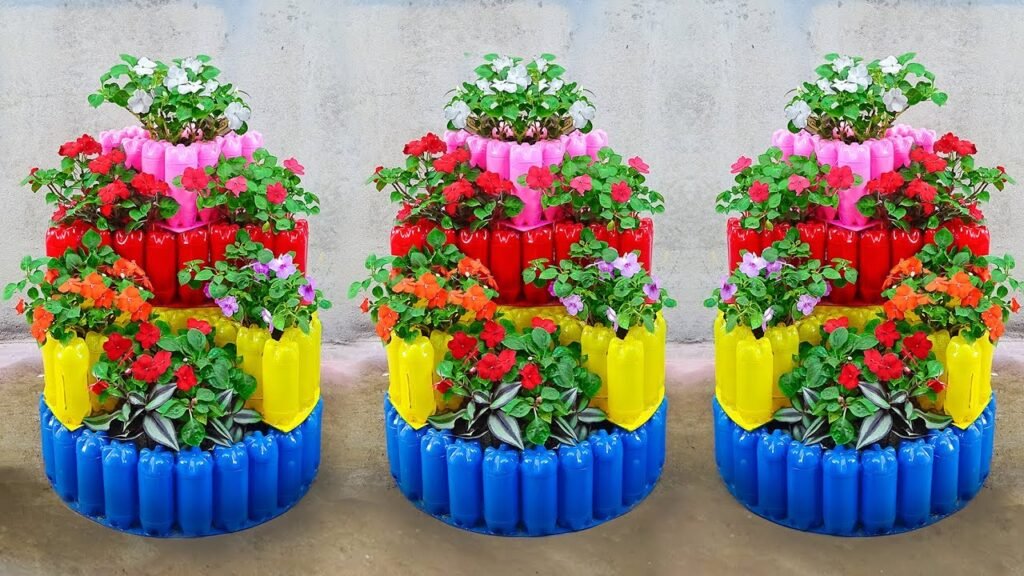
Creative Ideas for Bottle Gardens
- Mini Herb Garden: Grow thyme, mint, or oregano for kitchen use.
- Fairy Garden: Add tiny figurines, stones, and moss to create a whimsical scene.
- Succulent Terrarium: Use sand, gravel, and colorful pebbles to showcase succulents.
- Layered Design: Use different soil colors, pebbles, and moss layers for visual appeal.
- Aquatic Plants: Include small water-loving plants for a water terrarium.
Final Thoughts
A bottle garden is a simple, creative, and effective way to bring nature into small spaces. Whether for decoration, relaxation, or learning, these miniature ecosystems are versatile and easy to maintain. By carefully selecting the right container, plants, and materials, and following proper planting and care techniques, you can create a thriving bottle garden that enhances your indoor environment.
With a little patience and creativity, a simple glass bottle can transform into a beautiful, self-sustaining garden. Start your bottle garden today and enjoy the satisfaction of growing plants in even the smallest spaces.