

Introduction to Container Strawberry Gardening
Strawberries are one of the most loved fruits, yet many gardeners think they need large garden beds to grow successfully. In reality, strawberries perform exceptionally well in containers when given proper care. Container gardening allows better control over soil, water, and pests. This method is ideal for yards, balconies, terraces, and even small gardens. Strawberries grown in containers are cleaner and easier to harvest. With the right approach, container-grown strawberries can produce abundant, sweet fruits. This guide explains every step in detail. Anyone can grow strawberries successfully using this method.
Why Choose Containers for Growing Strawberries
Containers offer flexibility and convenience for strawberry growers. They can be moved to catch sunlight or avoid harsh weather. Soil quality can be controlled easily in pots. Containers reduce the risk of soil-borne diseases. Fruits remain clean and do not rot on the ground. Container gardening also saves space and water. Maintenance becomes simpler and more organized. For home gardeners, containers are an excellent choice.
Understanding Strawberry Plant Growth
Strawberries are shallow-rooted plants that spread through runners. They require loose soil and consistent moisture. Flowers develop into fruits after pollination. Healthy leaves support fruit formation. Understanding this growth cycle helps improve yield. Container conditions suit strawberry roots well. Proper care ensures continuous fruiting. Knowing how strawberries grow leads to better management.
Best Strawberry Varieties for Containers
Not all strawberry varieties are equal for container growing. Day-neutral and everbearing varieties perform best. They produce fruits throughout the season. Compact plants are ideal for pots. Local varieties adapted to climate give better results. Disease-resistant types reduce problems. Choosing the right variety increases success. Variety selection directly affects yield and flavor.
Choosing the Right Containers
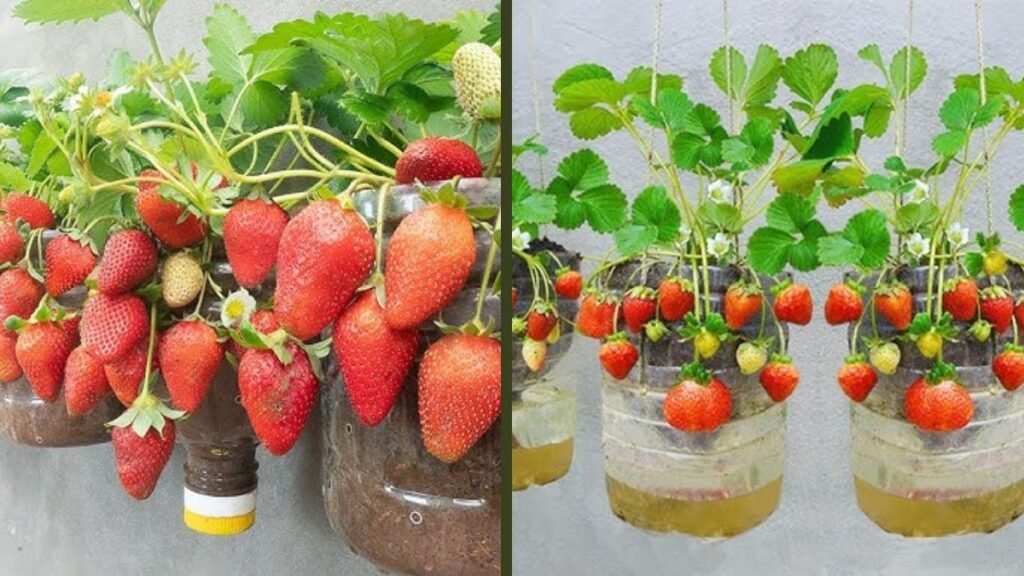
Strawberries can be grown in pots, grow bags, hanging baskets, and vertical planters. Containers must have drainage holes. Medium-sized containers work best. Clay, plastic, or fabric pots are suitable. Recycled containers can also be used. Depth should support root growth. Proper containers ensure healthy plants.
Preparing the Perfect Soil Mix
Strawberries need light, well-drained soil. Mix garden soil with compost and sand. Cocopeat can improve moisture retention. Avoid heavy clay soil. Rich organic matter supports fruiting. Loose soil prevents root rot. Good soil preparation is the foundation of success.
Planting Strawberries in Containers
Plant strawberries at correct depth. The crown should remain above soil level. Roots must be spread gently. Over-deep planting causes rot. Space plants properly to avoid overcrowding. Water immediately after planting. Proper planting encourages fast establishment.
Sunlight Requirements
Strawberries need plenty of sunlight. Six to eight hours of direct sun is ideal. Morning sunlight is best. Insufficient light reduces fruit size. Containers can be moved to sunny spots. Balanced sunlight ensures sweet fruits. Light management improves yield.
Watering Techniques for Container Strawberries
Consistent moisture is essential. Containers dry out faster than ground soil. Water when topsoil feels dry. Avoid waterlogging. Drip watering or gentle hand watering works well. Mulching helps retain moisture. Proper watering prevents bitterness and stress.
Fertilizing Strawberries Naturally
Strawberries respond well to organic fertilizers. Compost tea improves growth. Vermicompost enhances fruit quality. Feed lightly every two weeks. Avoid excess nitrogen. Balanced nutrition promotes flowering and fruiting. Natural feeding keeps plants healthy.
Managing Runners for Better Yield
Strawberry plants produce runners. Remove runners to focus energy on fruiting. Allow runners only if propagation is needed. Excess runners reduce fruit size. Runner control improves yield. Regular trimming keeps plants productive.
Pollination and Flower Care
Strawberry flowers need pollination. Bees and insects help naturally. Hand pollination can be done gently. Healthy flowers produce uniform fruits. Avoid water spraying during flowering. Flower care directly affects fruit quality.
Pest and Disease Control
Common pests include aphids and mites. Neem spray controls pests effectively. Good airflow prevents fungal disease. Remove infected leaves promptly. Container gardening reduces pest problems. Organic control methods are sufficient.
Harvesting Strawberries at the Right Time
Harvest strawberries when fully red. Early harvesting reduces sweetness. Pick gently without damaging plants. Regular harvesting encourages more fruits. Morning harvest preserves freshness. Proper timing improves flavor.
Extending the Harvest Season
Shade during extreme heat. Protect plants from frost. Regular feeding extends fruiting. Remove old leaves. Seasonal care keeps plants productive longer. Continuous harvesting is possible.
Comparison Table: Ground vs Container Strawberries
| Aspect | Ground Growing | Container Growing |
|---|---|---|
| Space Required | Large | Small |
| Soil Control | Limited | Full Control |
| Fruit Cleanliness | Moderate | Very High |
| Pest Risk | Higher | Lower |
| Urban Friendly | No | Yes |
Benefits of Container Strawberry Gardening
Ideal for small spaces. Easy maintenance. Clean fruits. Reduced disease risk. Better yield control. Perfect for beginners. Suitable for yards and balconies.
Sustainability and Home Gardening Value
Reduces store dependency. Encourages organic eating. Saves money. Promotes recycling containers. Eco-friendly gardening method. Supports healthy lifestyle.
Conclusion
Growing strawberries in containers is simple, productive, and rewarding. With proper care, anyone can enjoy fresh, sweet strawberries from their yard or garden.