
1. Introduction to Growing Jicama at Home
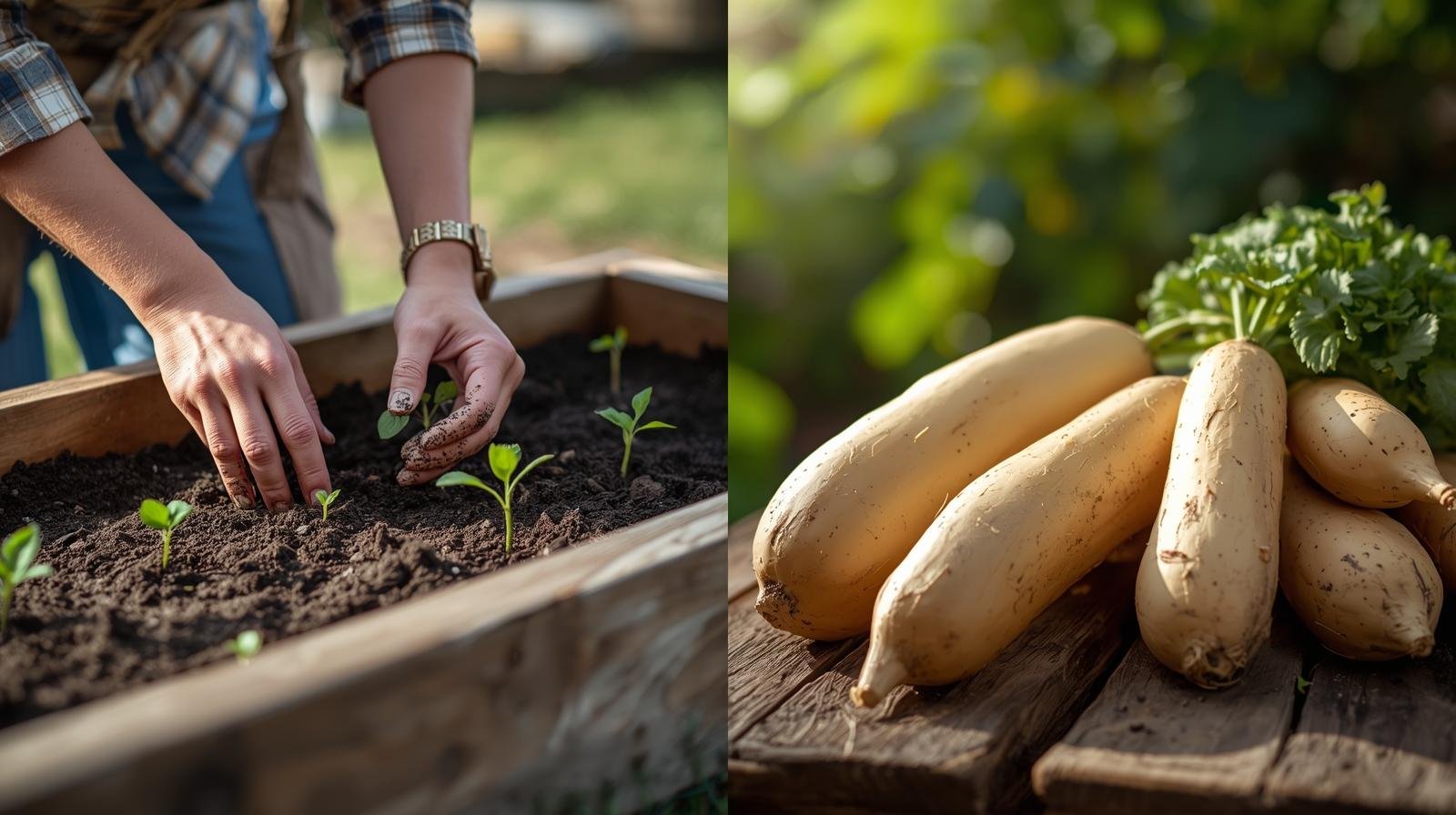
Jicama is an easy and rewarding root vegetable for beginners. It grows well in warm climates and home gardens. The crisp tubers are refreshing and versatile. Many beginners avoid jicama due to lack of information. With simple techniques, success is guaranteed. Home gardening allows better control. Sweet tubers develop with care. This guide simplifies the process.
2. Understanding Jicama Plant Basics
Jicama belongs to the legume family. It grows as a vine with underground tubers. The edible part is the root. Leaves and seeds are not consumed. The plant prefers long warm seasons. Growth happens mostly underground. Understanding basics avoids mistakes. Knowledge ensures safety.
3. Climate Requirements for Beginners
Jicama needs warm temperatures. Frost damages young plants. Ideal temperature ranges between twenty and thirty degrees Celsius. Long summers improve sweetness. Cooler climates require early planting. Warm soil speeds growth. Climate selection ensures success. Beginners should plan accordingly.
4. Soil Selection and Preparation
Loose soil allows tuber expansion. Compacted soil reduces size. Sandy loam works best. Compost improves fertility. Drainage prevents rot. Raised beds improve soil control. Container soil should remain loose. Preparation is essential.
5. Seed Germination Process
Seeds germinate in warm soil. Moisture activates growth. Germination takes one to two weeks. Consistent warmth speeds sprouting. Avoid overwatering. Healthy seedlings emerge quickly. Early growth determines success. Seed care is critical.
6. Transplanting or Direct Sowing
Direct sowing is preferred. Roots dislike disturbance. Transplanting requires gentle handling. Biodegradable pots reduce shock. Direct sowing strengthens roots. Beginners should avoid transplanting. Less stress improves growth. Simplicity helps success.
7. Sunlight and Placement
Jicama loves sunlight. At least six hours daily is required. Containers should be placed in sunny areas. Raised beds should avoid shade. Sunlight increases sugar content. Shaded plants grow weak tubers. Light drives growth. Placement matters.
8. Watering for Sweet Tubers
Consistent moisture improves sweetness. Irregular watering causes woody roots. Containers dry quickly. Mulching helps retain moisture. Water deeply. Avoid waterlogging. Balanced moisture improves quality. Water management is essential.
9. Beginner-Friendly Fertilization
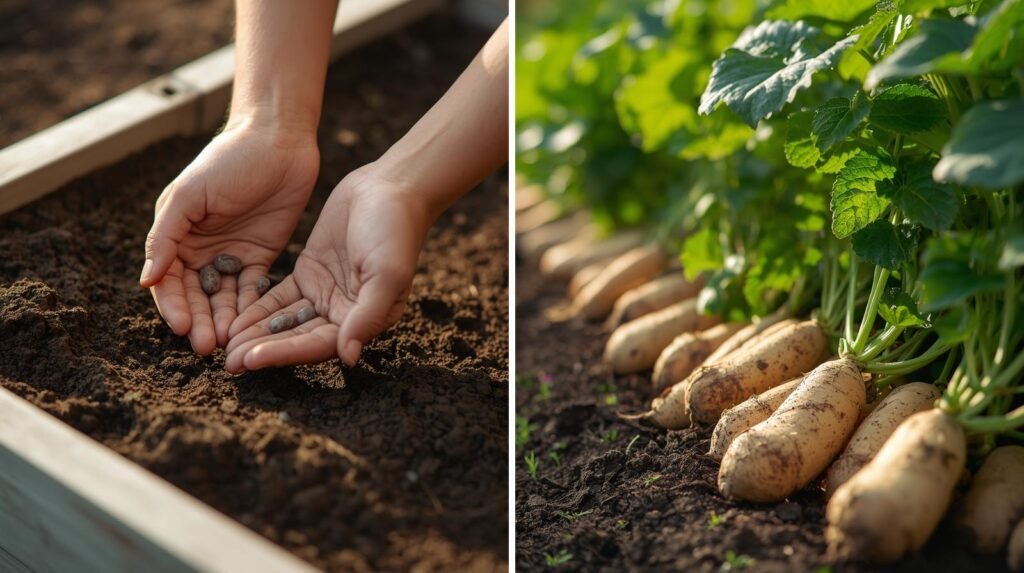
Jicama does not need heavy feeding. Compost provides enough nutrients. Avoid high nitrogen fertilizers. Potassium supports tuber growth. Light feeding works best. Overfertilizing reduces yield. Simple nutrition improves success. Beginners benefit from restraint.
10. Vine Management Techniques
Vines grow long and fast. Trellising saves space. Training vines improves airflow. Unmanaged vines sprawl excessively. Support prevents disease. Containers benefit from vertical growth. Vine care improves productivity. Organization matters.
11. Flower Removal for Bigger Tubers
Flowering reduces tuber size. Remove flowers early. Energy redirects to roots. Beginners often skip this step. Flower control significantly increases yield. Regular inspection helps. This technique is essential. Simple action gives big results.
12. Pest Management for Beginners
Jicama faces few pests. Aphids may appear. Neem oil is effective. Manual removal works well. Healthy plants resist pests. Avoid chemical sprays. Simple monitoring prevents issues. Pest control remains easy.
13. Disease Prevention Tips
Good airflow prevents fungal diseases. Avoid overhead watering. Clean tools reduce spread. Containers reduce soil diseases. Healthy soil prevents problems. Prevention is simple. Beginners can manage easily. Clean gardening helps.
14. Growth Duration and Patience
Jicama grows slowly. Tubers develop underground over months. Harvest usually takes five months. Patience is required. Early harvesting reduces size. Long growth improves sweetness. Time investment pays off. Waiting rewards gardeners.
15. Recognizing Harvest Time
Leaves yellow at maturity. Vine growth slows. Soil surface may crack slightly. Tubers feel firm underground. Harvest timing affects quality. Too early reduces sweetness. Observation guides harvesting. Experience improves timing.
16. Harvesting Jicama Safely
Loosen soil carefully. Lift tubers gently. Avoid damaging skin. Clean soil after harvest. Large tubers are heavy. Handle with care. Proper harvesting preserves freshness. Safety matters.
17. Cleaning and Storage
Wash tubers gently. Dry thoroughly. Store in cool dry place. Avoid refrigeration. Proper storage extends shelf life. Containers produce clean tubers. Storage care maintains sweetness. Handling matters.
18. Flavor and Culinary Use
Homegrown jicama tastes sweeter. Crisp texture improves dishes. Used raw or cooked. Popular in salads. Fresh harvest improves flavor. Gardening enhances food quality. Culinary satisfaction increases. Taste difference is noticeable.
19. Common Beginner Mistakes
Overwatering causes rot. Allowing flowers reduces yield. Poor soil limits growth. Shading reduces sweetness. Harvesting too early disappoints. Learning from mistakes improves success. Awareness prevents failure. Experience builds confidence.
20. Conclusion
Growing jicama at home is easy for beginners. Simple care produces big and sweet tubers. Warm climate, sunlight, and patience matter most. Flower control boosts yield. Containers and raised beds work well. Home gardening builds skills. Jicama rewards effort generously. Success comes with consistency.
📊 Table: Beginner Jicama Growing Guide
| Growing Step | Beginner Action | Result |
|---|---|---|
| Planting | Warm soil | Strong start |
| Watering | Consistent moisture | Sweet tubers |
| Flower control | Remove blooms | Bigger roots |
| Harvesting | Wait full season | Best flavor |