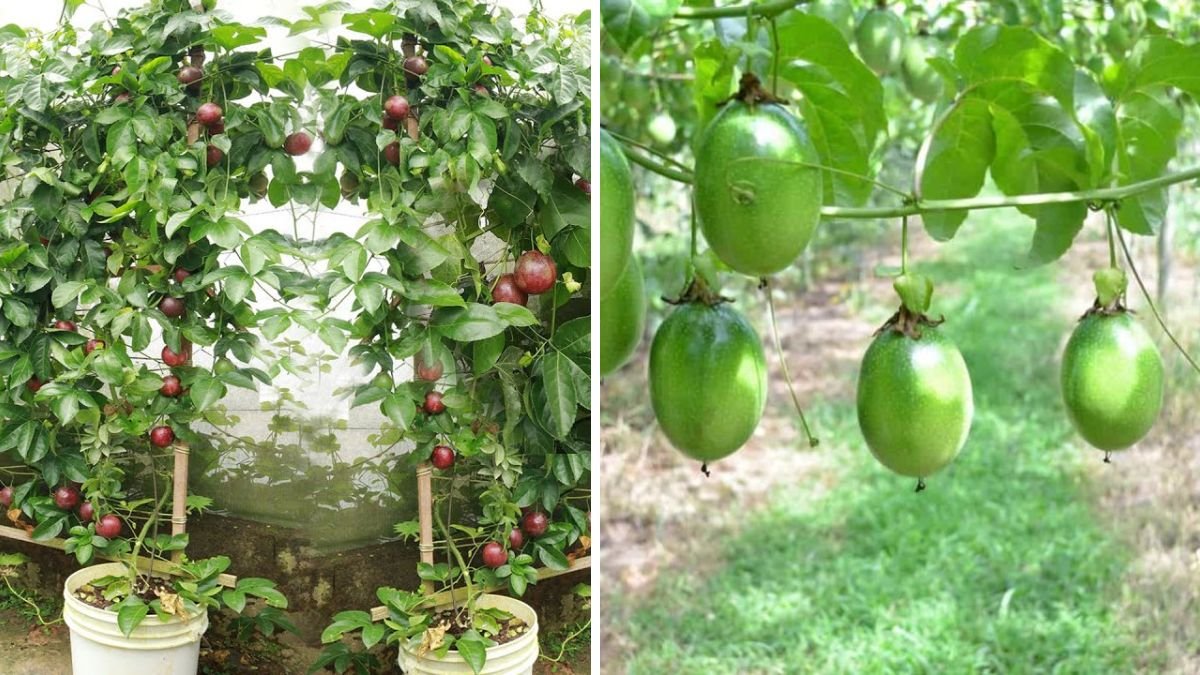

Introduction to Passion Fruit Cultivation
Passion fruit is a fast-growing vine with high nutritional and commercial value. To grow passion fruit successfully, a proper support structure is essential. The vine climbs naturally and requires trellises, poles, or fences for healthy growth. A well-planned structure supports heavy fruit load and maximizes sunlight exposure. Container-grown or backyard vines benefit from structured support. Correct design reduces disease and improves airflow. This guide details how to create durable structures. Proper support also simplifies pruning, harvesting, and maintenance. A strong structure ensures long-term productivity.
Understanding Passion Fruit Growth Habit
Passion fruit is a perennial climbing vine. It grows rapidly, producing tendrils to attach to supports. Flowers emerge along the vine, followed by fruit pods. Without support, vines sprawl on the ground, reducing fruit quality. Strong growth requires vertical or horizontal guidance. Understanding growth patterns helps design an efficient structure. Proper spacing and height prevent overcrowding. Knowledge of vine habit ensures long-lasting structures. Structural planning enhances both aesthetics and productivity.
Importance of a Support Structure
Support structures prevent fruit damage and disease. Vines on the ground are prone to pests and fungal infections. Proper trellising increases sunlight exposure for all leaves. It allows better air circulation, reducing humidity-related issues. Harvesting becomes easier with elevated vines. A structured system supports multiple vines in limited spaces. Structures extend vine longevity. Planning before planting ensures optimal fruit yield.
Choosing the Right Location
Select a sunny location with well-drained soil. Avoid shaded or waterlogged areas. Structures should align with prevailing wind direction. Ample space allows vine spread and airflow. The site must be accessible for pruning and harvesting. Soil fertility affects vine strength and fruiting. Proper site selection minimizes structural damage. Adequate sunlight improves flowering and fruit set.
Selecting Materials for the Structure
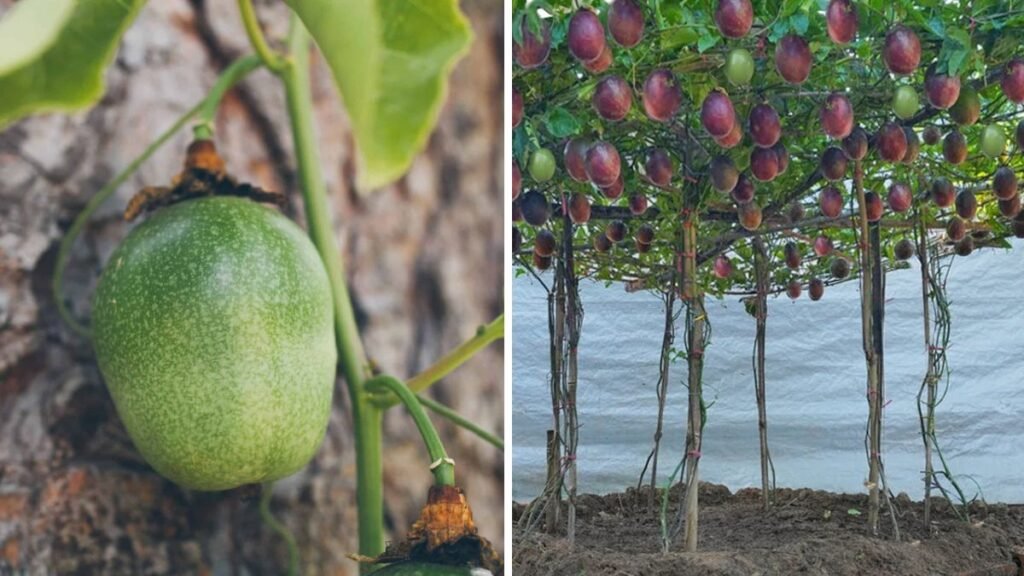
Durable, weather-resistant materials are preferred. Wooden poles, bamboo, metal stakes, or PVC pipes work well. Twine, wire, or mesh supports the climbing vines. Materials should withstand heavy fruit load. Avoid materials that rust or degrade quickly. Recyclable or locally available materials reduce costs. Strong anchors prevent collapse. Material selection affects long-term maintenance and safety.
Designing a Trellis Structure
A simple trellis consists of vertical posts with horizontal crossbars. Space posts 2 to 3 meters apart. Crossbars or wires allow vine tendrils to cling. Height should be 2 to 3 meters for easy management. Angled supports improve stability. Trellis can be single or multiple rows depending on space. Proper design ensures vine coverage and sunlight penetration. Trellis stability is crucial for fruit weight.
Alternate Structures for Passion Fruit
Other designs include arbors, fences, and pergolas. Fences act as linear supports for long vines. Arbors and pergolas create overhead shade and walking spaces. Multi-tiered structures allow higher density planting. Each design supports climbing and fruiting. Choose based on garden space and aesthetics. Alternative structures may require more materials. Creative design can enhance landscape appeal.
Building Vertical Poles
Install vertical poles firmly in the ground. Depth should be at least 50 centimeters for stability. Space poles according to trellis design. Use strong anchors or concrete for support. Poles guide vines upward for better fruiting. Vertical poles prevent sprawling and pest issues. Sturdy poles reduce vine damage in strong winds. Proper installation ensures long-term support.
Installing Horizontal Crossbars or Wires
Crossbars connect vertical poles to guide vine growth. Use galvanized wire or wooden bars. Space crossbars every 50 to 60 centimeters. Ensure tension is uniform for support. Crossbars allow vines to attach easily. Avoid sagging wires which may damage vines. Proper alignment promotes uniform growth. Crossbars support heavier fruit clusters.
Preparing Vines for Climbing
Train young shoots to the support system. Gently tie tendrils to wires or crossbars. Avoid tight binding to prevent damage. Regularly guide new growth along the structure. Remove excess lateral shoots for airflow. Early training prevents sprawling. Proper guidance ensures maximum sunlight exposure. Continuous attention builds a strong vine framework.
Spacing Between Plants
Maintain spacing of 2 to 3 meters between vines. Proper spacing avoids overcrowding and disease. Overcrowding reduces fruit size and quality. Adequate distance allows sunlight penetration. Space ensures ease of pruning and harvesting. Well-spaced vines grow vigorously. Planning spacing improves overall yield. Adequate distance prevents structural strain.
Mulching Around the Base
Mulch retains soil moisture and reduces weeds. Use straw, leaves, or organic compost. Keep mulch 5 to 10 centimeters away from pole base. Mulching improves soil fertility and microbial activity. It reduces water evaporation. Healthy soil supports vine stability. Mulching prevents soil erosion around poles. Proper mulching ensures strong root anchorage.
Fertilization and Soil Management
Fertilize soil before planting and periodically afterward. Use organic compost or balanced NPK fertilizers. Avoid over-fertilization which may damage roots. Fertile soil strengthens vines for heavier fruit load. Regular soil testing helps adjust nutrients. Balanced feeding promotes flowering and fruiting. Proper soil management reduces pest vulnerability. Healthy soil supports structural stability.
Pruning to Support Structure
Prune to maintain canopy height and airflow. Remove dead or overcrowded shoots. Light pruning encourages branching along the trellis. Avoid heavy cuts which may stress the plant. Regular pruning improves sunlight penetration. Balanced pruning prevents structural overload. Proper trimming enhances fruit set. Maintaining canopy ensures easy harvesting.
Pest and Disease Prevention
Support structures reduce ground contact, minimizing pests. Monitor for aphids, mites, and fungal infections. Neem oil or organic solutions can be applied. Remove diseased leaves promptly. Clean trellis and surrounding area regularly. Healthy vines resist most pests. Early detection prevents spread. Structured growth reduces pest and disease pressure.
Irrigation and Water Management
Provide consistent water, especially during flowering and fruiting. Drip irrigation is ideal for controlled moisture. Avoid waterlogging which may weaken poles. Mulching helps retain soil moisture. Adequate water ensures strong vine attachment. Regular irrigation improves fruit size and quality. Proper management reduces structural stress. Hydration is critical for heavy fruiting vines.
Harvesting with a Structure
Support structures make harvesting easier and safer. Elevated vines allow easy access to fruits. Reduce fruit damage by careful plucking. Structured vines support heavy clusters. Harvesting regularly encourages continuous fruiting. Proper care ensures maximum yield. Structure facilitates organized harvesting. Fruit quality improves with proper support.
Table: Passion Fruit Support Structure Guide
| Aspect | Requirement |
|---|---|
| Pole Material | Wood, bamboo, or metal |
| Pole Depth | At least 50 centimeters |
| Pole Spacing | 2 to 3 meters |
| Crossbar/Wire Spacing | 50 to 60 centimeters |
| Vine Training | Tie gently to wires or poles |
| Pruning | Regular light pruning for airflow |
Conclusion
Creating a strong support structure is essential for passion fruit cultivation. Proper materials, design, and spacing ensure healthy vines and abundant fruit. Trellises, arbors, or fences support climbing growth. Early vine training and pruning maximize productivity. Support structures reduce disease and simplify harvesting. Proper care ensures long-term fruiting success. Start building your passion fruit structure for a productive garden.