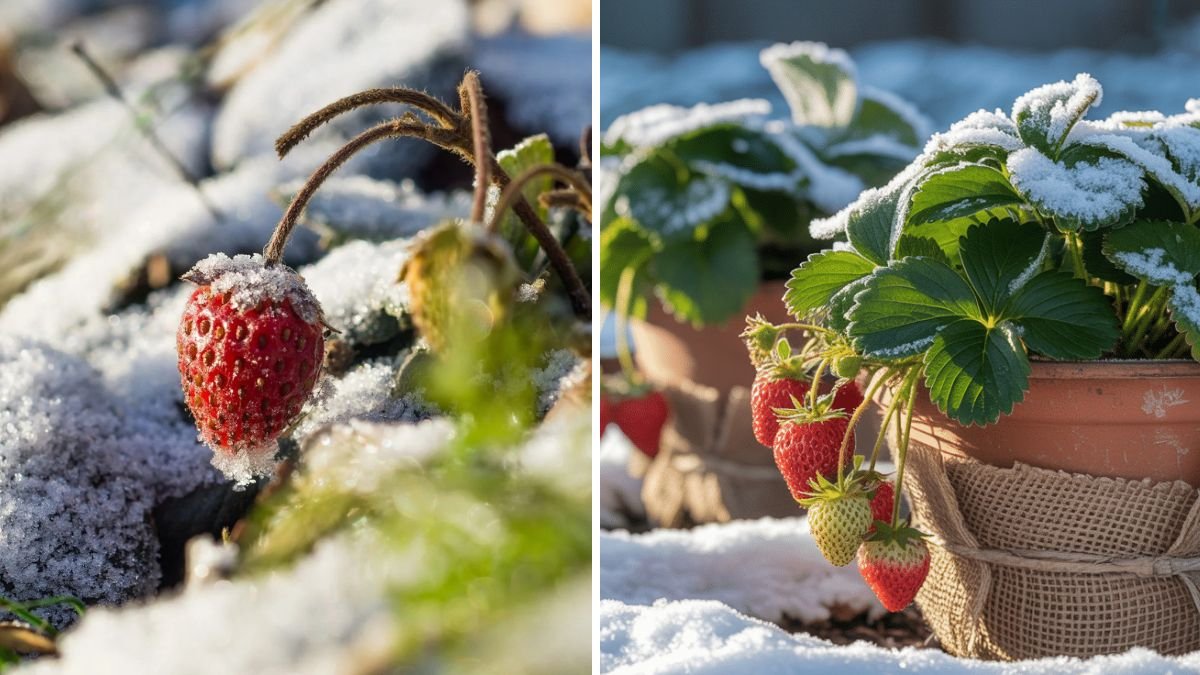

Strawberries are one of the most rewarding plants to grow at home. Their sweet, juicy fruits are a treat for your taste buds, and the vibrant green plants add charm to gardens and patios. However, winter can be a challenging season for strawberry plants. Cold temperatures, frost, and reduced sunlight can affect their growth, yield, and overall health.
With proper care, you can ensure that your strawberry plants survive the winter and emerge stronger in spring, ready to produce delicious fruits. In this guide, we’ll explore how to protect, nurture, and prepare strawberry plants for winter, along with expert tips to maximize next season’s harvest.
🌿 Why Winter Care Is Important for Strawberries
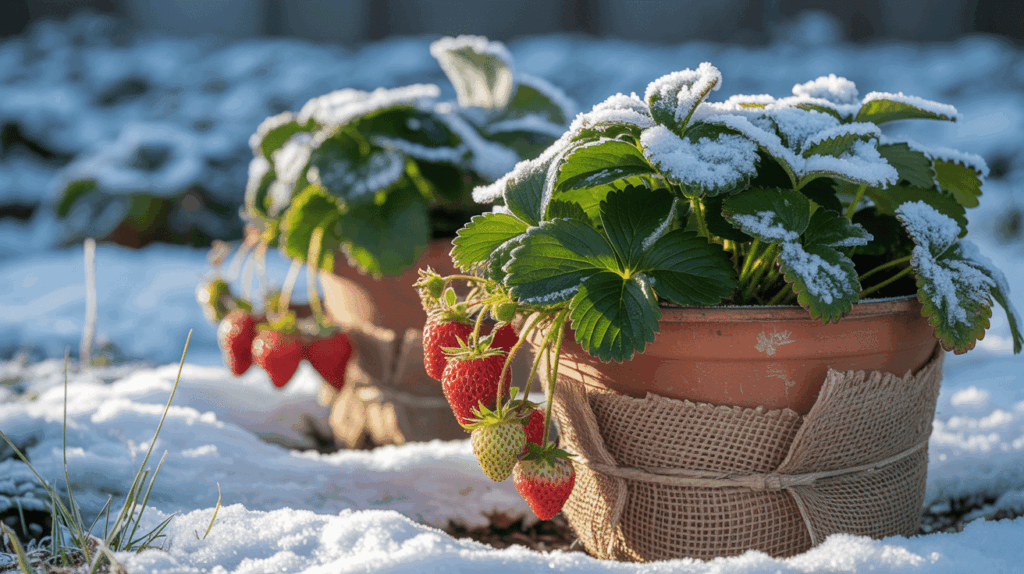
Strawberries are perennial plants, meaning they live for multiple seasons. Winter care is crucial because:
- Protects Roots: Cold weather can freeze the soil, damaging roots.
- Prevents Frost Damage: Frost can kill flowers and leaves if plants aren’t protected.
- Ensures Healthy Growth: Proper winter care helps strawberries enter dormancy safely and resume growth in spring.
- Boosts Next Season’s Yield: Healthy plants during winter produce stronger runners, flowers, and fruits.
Neglecting winter care can lead to weaker plants, reduced fruit production, and even plant loss.
🌱 Step 1: Preparing Strawberry Plants for Winter
Before the first frost, take these preparatory steps:
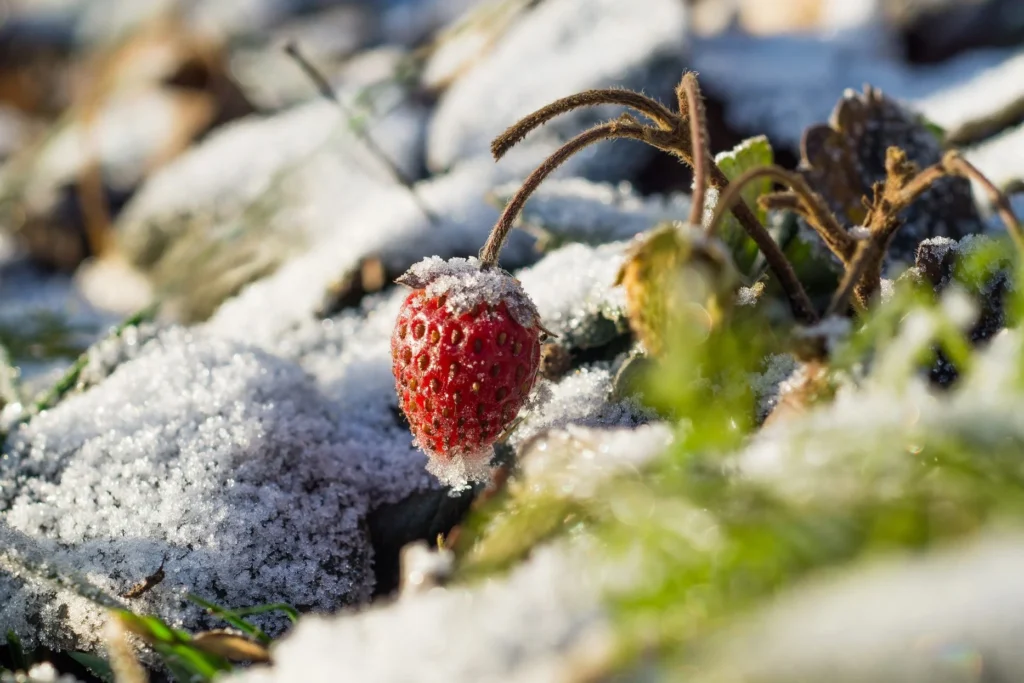
- Clean the Plants:
- Remove dead leaves, damaged runners, and old flowers.
- Cleaning prevents fungal infections and pests during winter.
- Trim Excess Runners:
- Cut back runners that are not needed for propagation.
- This reduces energy consumption and focuses plant resources on survival.
- Check Plant Health:
- Inspect plants for pests such as aphids or mites.
- Treat any infestations before winter using organic sprays or neem oil.
💡 Pro Tip: Healthy plants entering winter have a much higher chance of thriving until spring.
🌿 Step 2: Mulching Strawberry Plants
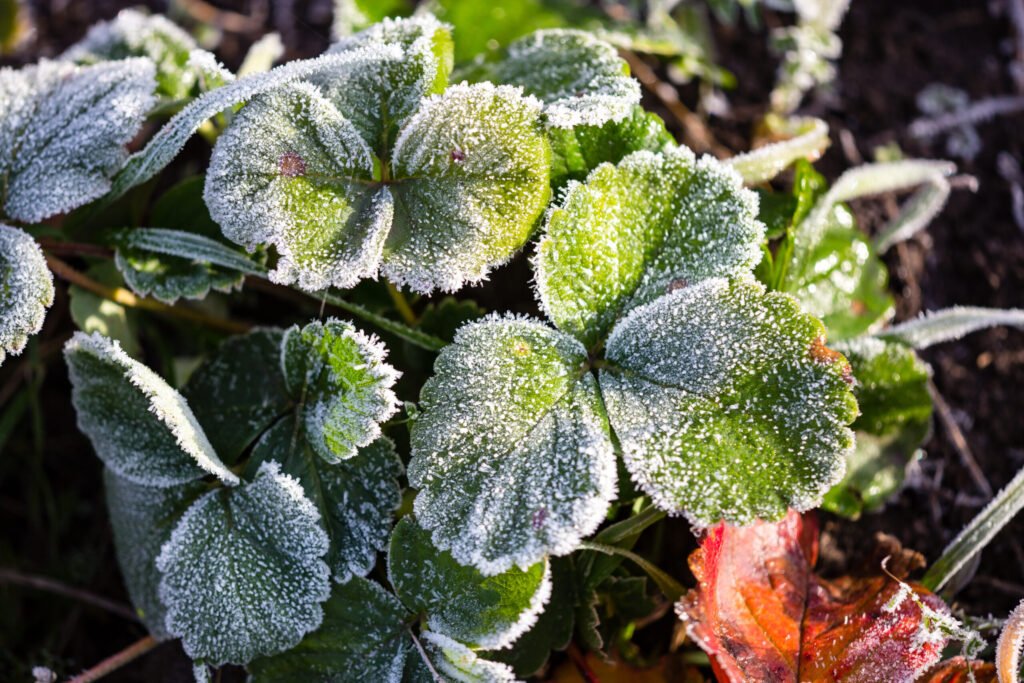
Mulching is one of the most effective winter care techniques:
- Choose Mulch Material:
- Straw, hay, pine needles, or shredded leaves work best.
- Avoid using black plastic as it may trap moisture and promote rot.
- Apply Mulch Layer:
- Spread 5–8 cm of mulch over the plants.
- Ensure that crowns (center of the plant) are slightly exposed to prevent rotting.
- Benefits of Mulching:
- Insulates roots against freezing temperatures
- Retains soil moisture
- Suppresses weeds and prevents soil erosion
💡 Secret: Mulching also prevents soil-borne diseases from splashing onto leaves during thawing.
🌱 Step 3: Protecting Plants from Frost
In regions with heavy frost or snow, additional protection is necessary:
- Row Covers or Garden Fabric:
Cover plants with breathable fabric to shield them from frost while allowing air circulation. - Cold Frames or Mini Greenhouses:
Ideal for potted strawberries or small garden patches.
They provide warmth, protection, and a controlled environment. - Cloche Method:
Place inverted pots or plastic bottles over individual plants.
This protects them from frost and harsh winds.
💡 Tip: Remove covers during sunny days to prevent overheating and allow plants to breathe.
🌿 Step 4: Watering During Winter
Although growth slows in winter, strawberries still need moisture:
- Water Sparingly:
- Water once a week if there is no rain or snow.
- Avoid overwatering as cold soil retains moisture longer, which can cause root rot.
- Use Lukewarm Water:
- Cold water can shock roots during freezing temperatures.
- Check Soil Moisture:
- Stick your finger into the soil; water only if the top 2–3 cm is dry.
💡 Secret: Proper hydration keeps roots alive and prepares plants for spring growth.
🌱 Step 5: Fertilizing Strawberry Plants in Winter
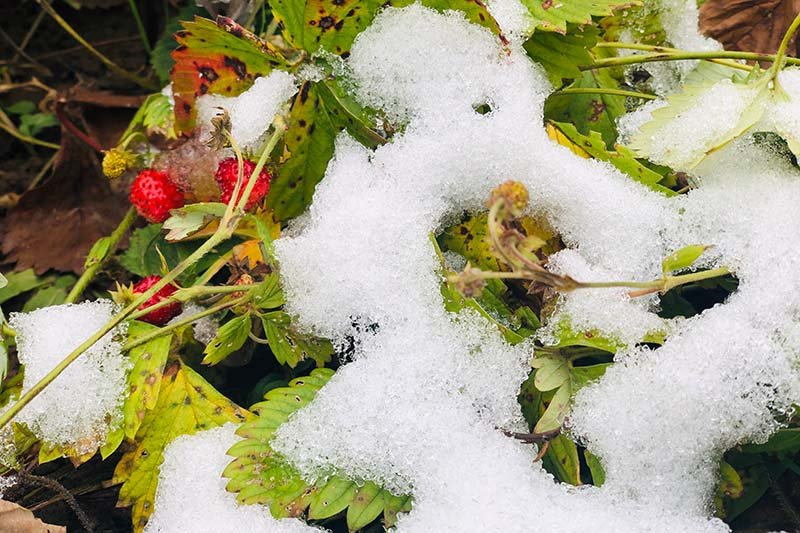
Fertilization is minimal during winter, but a light nutrient boost can help:
- Organic Fertilizers: Use compost or well-rotted manure before mulching.
- Slow-Release Fertilizer: Apply a small amount to provide nutrients gradually.
- Avoid high-nitrogen fertilizers in winter; they encourage leaf growth instead of root development.
💡 Tip: Fertilizing too heavily in winter can harm plants due to reduced nutrient uptake in cold soil.
🌿 Step 6: Dealing with Pests and Diseases
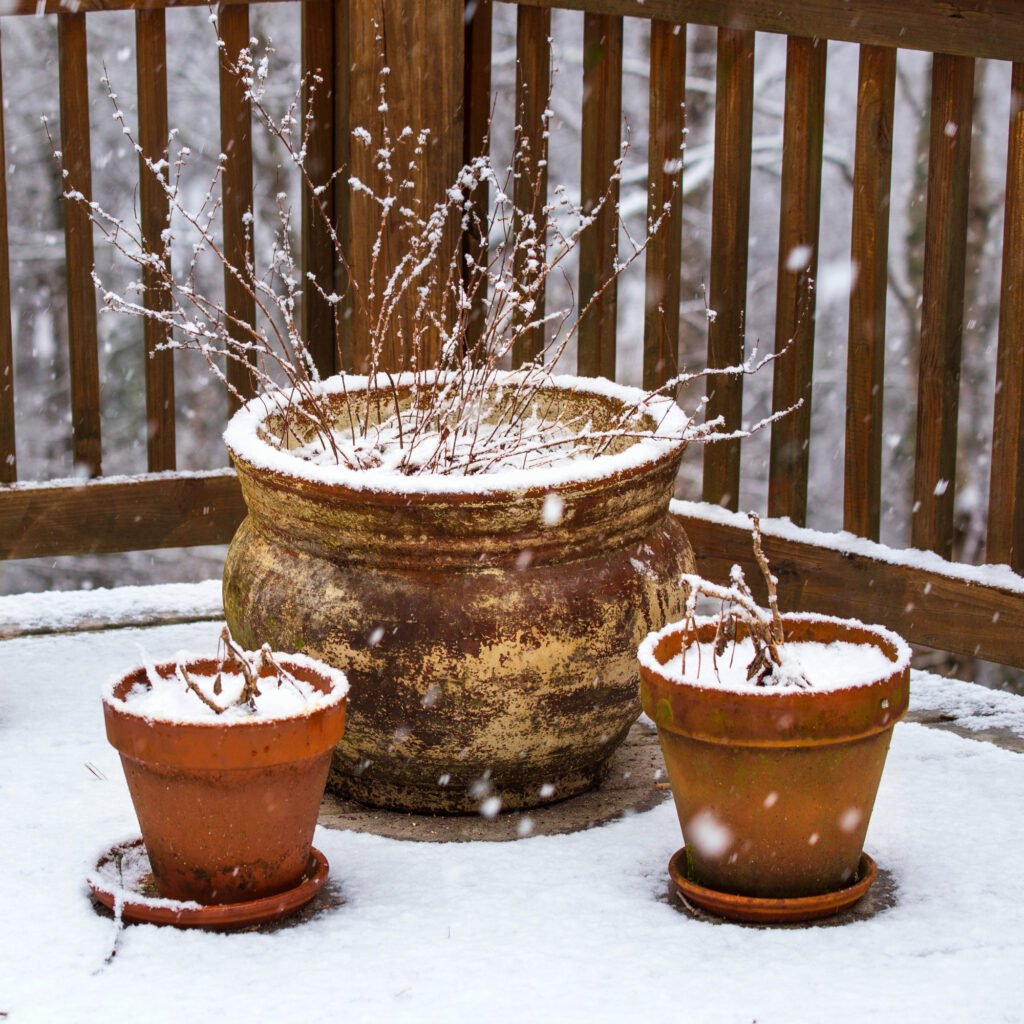
Even in winter, pests and diseases can affect strawberries:
- Fungal Diseases: Prevent by mulching and ensuring proper airflow.
- Slugs and Snails: Check under mulch and remove manually.
- Rodents: Protect crowns with a wire mesh or netting to prevent nibbling.
💡 Secret: Winter care isn’t just about cold—it’s about maintaining plant health against pests and pathogens.
🌱 Step 7: Caring for Potted Strawberry Plants
If your strawberries are in pots or containers:
- Move them to a protected area like a garage, balcony, or greenhouse.
- Insulate pots with bubble wrap, straw, or old blankets to prevent freezing.
- Reduce watering compared to summer, but don’t let the soil dry completely.
💡 Tip: Potted plants are more vulnerable to cold than in-ground plants, so extra protection is essential.
🌿 Step 8: Preparing Strawberry Plants for Spring Growth
Winter care ends with preparing plants for the upcoming season:
- Remove Mulch Gradually:
- As temperatures rise, slowly remove mulch to avoid shocking the plants.
- Inspect Plants:
- Look for winter damage and trim dead leaves.
- Encourage Growth:
- Begin light watering and feeding as soil warms.
💡 Secret: Well-cared-for winter strawberries will produce stronger flowers and fruits in spring.
🌱 Step 9: Benefits of Winter Care
Proper winter care leads to:
- Healthier plants ready for early spring growth
- Increased yield and larger fruits
- Reduced pest and disease problems
- Longer lifespan of strawberry plants
By investing a little time in winter care, you set your strawberries up for a successful and productive growing season.
🌿 Step 10: Bonus Tips for Thriving Strawberry Plants
- Choose hardy varieties: Some strawberries are more winter-tolerant than others, like Eversweet or Alpine varieties.
- Monitor weather forecasts: Protect plants before extreme frost.
- Group plants together: Creates a microclimate that retains heat.
- Prune lightly: Remove only damaged leaves, leaving healthy growth intact.
💡 Secret: Winter care is a combination of prevention, protection, and preparation.
🌱 Final Thoughts
Caring for strawberry plants in winter may seem challenging, but with the right strategies, it can be straightforward and rewarding. From mulching and frost protection to careful watering and pest management, every step ensures that your plants survive the cold months and come back stronger in spring.
By following these tips, your strawberry plants will not only survive winter—they’ll thrive, producing lush green foliage and sweet, juicy fruits for your enjoyment. Winter care isn’t just about preservation; it’s about preparing for a bountiful, delicious season ahead.