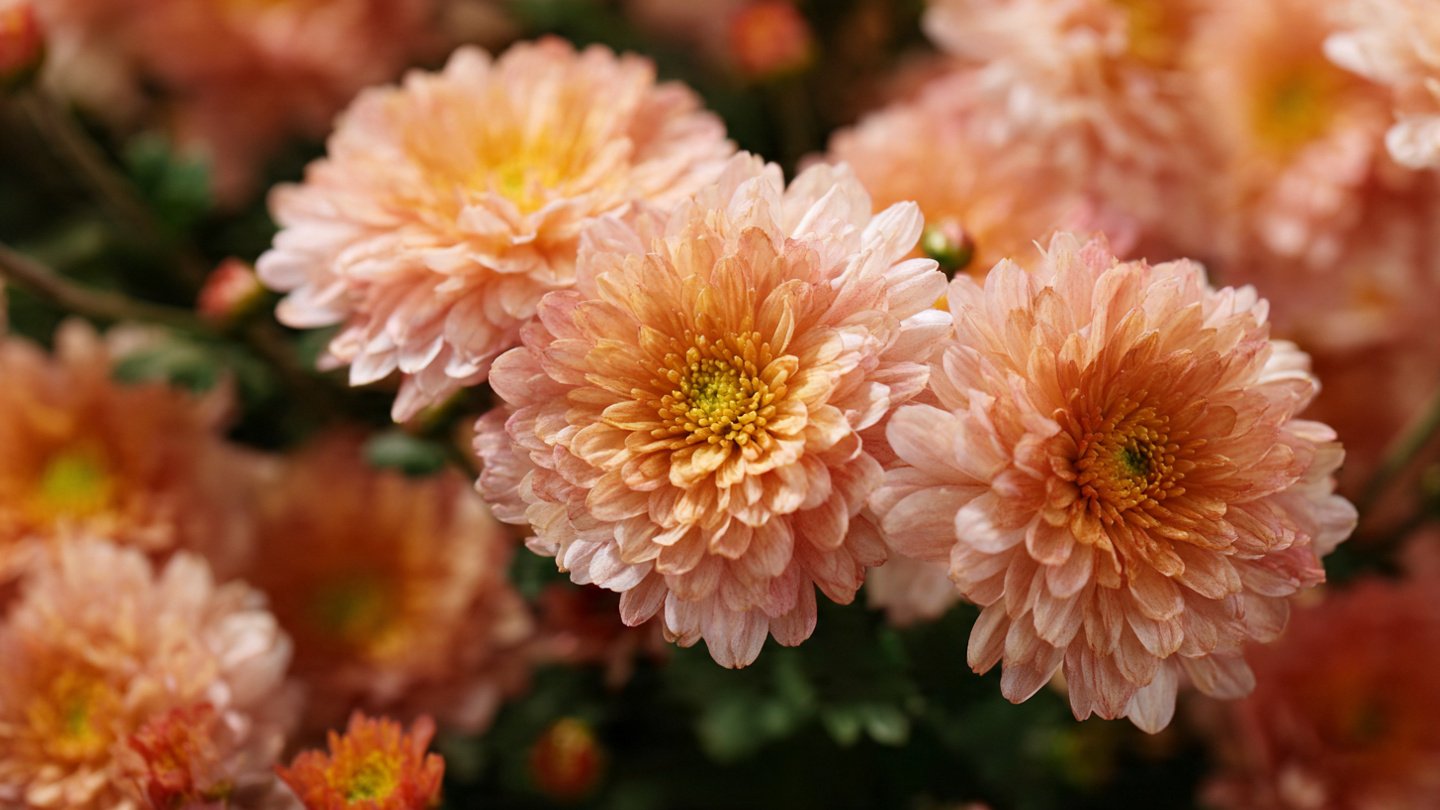

Chrysanthemums, commonly referred to as mums, are among the most beloved flowering plants in the garden. Known for their vibrant colors, diverse flower forms, and knack for thriving in a range of conditions, these hardy plants can add a splendid touch to any garden. However, to achieve the lush, bushy growth that makes chrysanthemums so visually appealing, effective pinching techniques are essential.
In this article, we’ll explore the importance of pinching chrysanthemums, the techniques involved, and tips for fostering thriving blooms. We’ll also address common questions about chrysanthemum care.
Understanding Pinching in Chrysanthemums
Pinching refers to the practice of removing the tips of young shoots. This technique encourages branching and results in bushier, more compact plants. By pinching back the growing tips, you stimulate the development of lateral buds, which leads to a fuller appearance and increased flowering potential.
Benefits of Pinching
-
Encourages Bushiness: The primary benefit of pinching is to create a bushier plant. Instead of a single vertical stem, you’ll end up with multiple stems that are better at supporting more flowers.
-
Improves Air Circulation: A well-pinned chrysanthemum has improved air circulation, reducing the risk of diseases caused by stagnant air.
-
Enhances Flower Production: More stems often mean more flowers. By pinching, you can potentially double or triple the amount of blooms.
-
Adjusts Plant Height: Pinching prevents plants from becoming too tall and leggy, making them easier to manage in garden settings.
-
Balances Foliage and Blooms: By controlling the size and number of stems, you can create a balance between foliage and blooms, leading to a visually pleasing presentation.
When to Pinch Your Chrysanthemums
Timing is crucial when pinching chrysanthemums. Generally, the best time to start pinching is when the plants are about 6 to 8 inches tall, typically in late spring. However, this timing may vary based on your local climate and the specific mum variety you’re growing.
For a well-timed pinching schedule:
-
First Pinch: This should occur when the plant reaches 6-8 inches. Remove the tips of the central stems approximately 1-2 inches from the top.
-
Second Pinch: If your chrysanthemum is an autumn-blooming variety, consider a second pinch about 4-6 weeks after the first pinch. This will further enhance bushiness and fertility.
-
Final Pinch: Avoid pinching late in the growing season, as you want to allow the plant adequate time to mature and flower. Typically, the last pinch should occur by mid-summer.
Effective Pinching Techniques
Knowing how to pinch is just as important as knowing when to pinch. Here’s a step-by-step guide to ensure you’re performing the technique correctly:
Step-by-Step Guide
-
Tools Needed:
- Clean, sharp pruning shears or your fingers (for smaller pinches).
- Disinfecting solution (like rubbing alcohol) to prevent disease transmission, especially if using scissors.
-
Inspect the Plant:
- Before pinching, assess the overall health of your chrysanthemum. Look for signs of disease or stress, as pinching may not be beneficial for an unhealthy plant.
-
Select the Stem:
- Choose the central stem or the stem that appears most vigorous. You can pinch back side shoots as they emerge later.
-
Make the Cut:
- Using your thumb and forefinger or shears, gently pinch or cut 1-2 inches from the top of the selected stem. Make sure to leave some leaves on the stem, which aids in photosynthesis.
-
Repeat:
- Continue this process for all main stems, ensuring that you achieve an even look across the plant.
Tips for Success
- Frequency: Monitor the growth regularly; if the stems begin to get tall again, consider pinching again until the flowering period approaches.
- Avoid Stressing the Plant: Ensure your plant has adequate water and nutrients during this process to minimize stress from pinching.
- Fertilization: Use a balanced fertilizer to support new growth, particularly after pinching to boost the plant’s recovery and flowering potential.
Caring for Your Chrysanthemums Post-Pinch
Once you’ve pinched your chrysanthemums, care continues to be pivotal. Here are a few tips for optimal post-pinch care:
-
Watering: Keep the soil consistently moist but not soggy. Overwatering can lead to root rot, while underwatering can stress your plants. Consider mulch as it helps retain soil moisture.
-
Fertilizing: After the first pinch, apply a balanced fertilizer to support growth. Follow the package instructions for the correct dosage.
-
Sunlight: Chrysanthemums thrive in full sun. Ensure they receive at least 6 hours of direct sunlight each day for optimal growth and flowering.
-
Pest Control: Monitor for pests such as aphids and spider mites, which can harm plant health. Use organic sprays if necessary to manage infestations.
-
Deadheading: To encourage further blooming, remove spent flowers (deadhead) once they start to wilt. This redirects energy from seed production back to the plant’s growth.
Troubleshooting Common Issues
Leggy Growth
If your chrysanthemums appear leggy, it may indicate insufficient light. Ensure they are getting enough sun, and consider additional pinching during the growing phase.
Pest Infestations
Regularly inspect for pests. If you notice aphids or other pests, consider introducing beneficial insects or using insecticidal soap to mitigate the problem.
Disease Management
Fungal issues can appear in crowded conditions. Maintain good air circulation and avoid overwatering to lower the risk. Consider fungicides if necessary.
FAQs
Q1: Can I pinch chrysanthemums too much?
A: Yes, excessive pinching can stress the plant and inhibit growth. Stick to the recommended number of pinches for optimal results.
Q2: What types of chrysanthemums benefit the most from pinching?
A: Most garden chrysanthemums, especially those that are taller and more leggy, benefit significantly from pinching. Compact varieties may not need as much pinching.
Q3: How often should I water my chrysanthemums after pinching?
A: Water your chrysanthemums regularly, keeping the soil consistently moist but not waterlogged. The frequency will depend on weather conditions; more frequent watering may be necessary during hot weather.
Q4: What should I do if I missed the ideal pinching window?
A: If you miss the ideal time to pinch, you can still pinch your chrysanthemums later, but the results may not be as dramatic. Early pinches yield better results, so plan your pinching accordingly next season.
Q5: Do garden chrysanthemums return each year?
A: Yes, many chrysanthemums are perennials, returning year after year. However, their hardiness can depend on your climate zone and how you care for them during the winter months.
Conclusion
Achieving lush, bushy chrysanthemums is an art best realized through effective pinching techniques. By understanding when and how to pinch your plants, alongside subsequent care, you can foster thriving blooms that enhance the beauty of your garden. Whether you are a seasoned gardener or a beginner, employing these strategies will ensure that your chrysanthemums are the star of your floral display. Happy gardening!