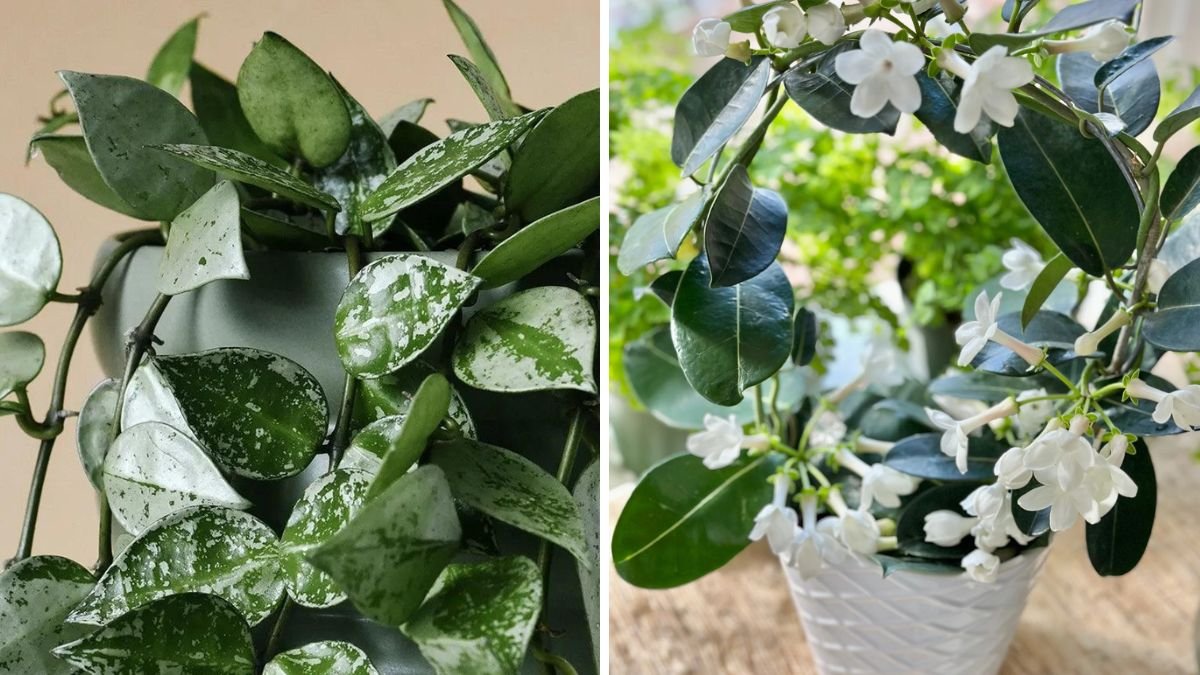

The wax plant, also known as Hoya, is a popular indoor vine. It is loved for its thick leaves and fragrant blooms. Proper watering is key to its success. Overwatering is a common mistake. Underwatering slows growth. Knowing when to water ensures lush vines. Wax plants thrive with balance. This guide explains watering in detail.
What Makes Wax Plants Unique
Wax plants store water in thick leaves. This allows drought tolerance. Their vines grow slowly but steadily. Leaves have a waxy coating. This reduces moisture loss. Understanding this feature prevents overwatering. Wax plants prefer dry cycles. Their structure affects watering needs.
Natural Habitat and Watering Behavior
Wax plants originate from tropical regions. They grow on trees in nature. Rainfall is occasional but heavy. Roots dry between rains. This pattern influences care. Mimicking natural conditions helps growth. Continuous moisture causes problems. Dry intervals are essential.
How Often to Water a Wax Plant Indoors
Watering frequency depends on environment. Typically, watering every one to two weeks works. Soil should dry slightly between watering. Touch soil before watering. Avoid fixed schedules. Seasonal changes affect needs. Proper timing ensures healthy vines.
Signs Your Wax Plant Needs Water
Drooping leaves indicate dryness. Wrinkled leaves signal dehydration. Soil pulling away from pot edges is a sign. Growth slows when water is insufficient. These signs guide watering decisions. Observing plants prevents stress. Responsive care improves health.
Signs of Overwatering
Yellowing leaves indicate excess water. Soft stems suggest root rot. Constantly wet soil causes issues. Overwatering is more harmful than underwatering. Poor drainage worsens the problem. Reduce watering immediately. Correct drainage saves plants.
Soil Type and Drainage Importance
Wax plants need well-draining soil. Heavy soil retains too much water. A mix with perlite works well. Good drainage prevents root rot. Aerated soil supports roots. Pot choice also affects drainage. Proper soil is essential.
Best Pot Type for Wax Plants
Terracotta pots absorb excess moisture. Plastic pots retain water longer. Choose based on environment. Drainage holes are mandatory. Pot size should match root size. Correct pot selection controls moisture. Containers influence watering frequency.
Seasonal Watering Adjustments
Wax plants need less water in winter. Growth slows in colder months. Overwatering in winter causes damage. Increase watering in summer. Adjust based on temperature. Seasonal awareness prevents mistakes. Flexible care improves results.
Humidity and Its Role in Watering
Wax plants enjoy moderate humidity. Dry air increases water needs. Humidity trays help. Misting is optional. Balanced humidity supports blooms. Watering frequency changes with humidity. Environmental control improves growth.
Water Quality and Temperature
Use room-temperature water. Cold water shocks roots. Avoid hard water if possible. Filtered water is ideal. Water quality affects leaf health. Clean water prevents buildup. Proper water choice improves vitality.
Encouraging Blooms Through Proper Watering
Wax plants bloom when slightly stressed. Allow soil to dry between watering. Consistent care encourages flowers. Avoid repotting frequently. Stable conditions promote blooms. Overwatering reduces flowering. Proper balance leads to success.
Fertilizing and Watering Balance
Feed during active growth periods. Use diluted fertilizer. Fertilize after watering. Avoid feeding dry soil. Nutrient balance supports vines. Overfertilization causes leaf burn. Balanced feeding enhances growth.
Table: Wax Plant Watering Guide
| Condition | Watering Frequency | Soil State | Care Tip |
|---|---|---|---|
| Summer | Every seven to ten days | Slightly dry | Increase airflow |
| Winter | Every fourteen to twenty days | Mostly dry | Reduce watering |
| High humidity | Less frequent | Dry top layer | Monitor leaves |
| Low humidity | Slightly frequent | Lightly moist | Increase humidity |
Common Watering Mistakes
Watering on schedule instead of need. Ignoring soil moisture. Using pots without drainage. Overwatering in winter. These mistakes harm wax plants. Awareness prevents issues. Learning signs improves care. Mistake correction saves plants.
Root Health and Watering
Healthy roots are firm and white. Overwatering causes brown roots. Root health affects growth. Drainage protects roots. Inspect roots occasionally. Healthy roots support vines. Water management is essential.
Indoor Placement and Watering Needs
Bright indirect light increases water needs. Low light reduces consumption. Placement affects drying speed. Adjust watering based on location. Near windows dries faster. Observe environment closely. Placement influences care.
Long-Term Care for Lush Vines
Consistent watering builds strong vines. Allow dry cycles regularly. Avoid sudden changes. Stable routines encourage growth. Long-term care yields thick foliage. Patience improves appearance. Healthy vines last years.
Benefits of Proper Watering
Correct watering prevents disease. It encourages blooms. Leaves remain glossy. Roots stay healthy. Growth becomes consistent. Plants live longer. Proper care reduces maintenance. Watering knowledge is essential.
Conclusion: Mastering Wax Plant Watering
Wax plants thrive with mindful watering. Dry cycles are important. Overwatering is the main threat. Seasonal adjustment ensures health. Observation guides decisions. Balanced care produces lush vines. Blooms reward patience. Master watering for success.