
1. Introduction
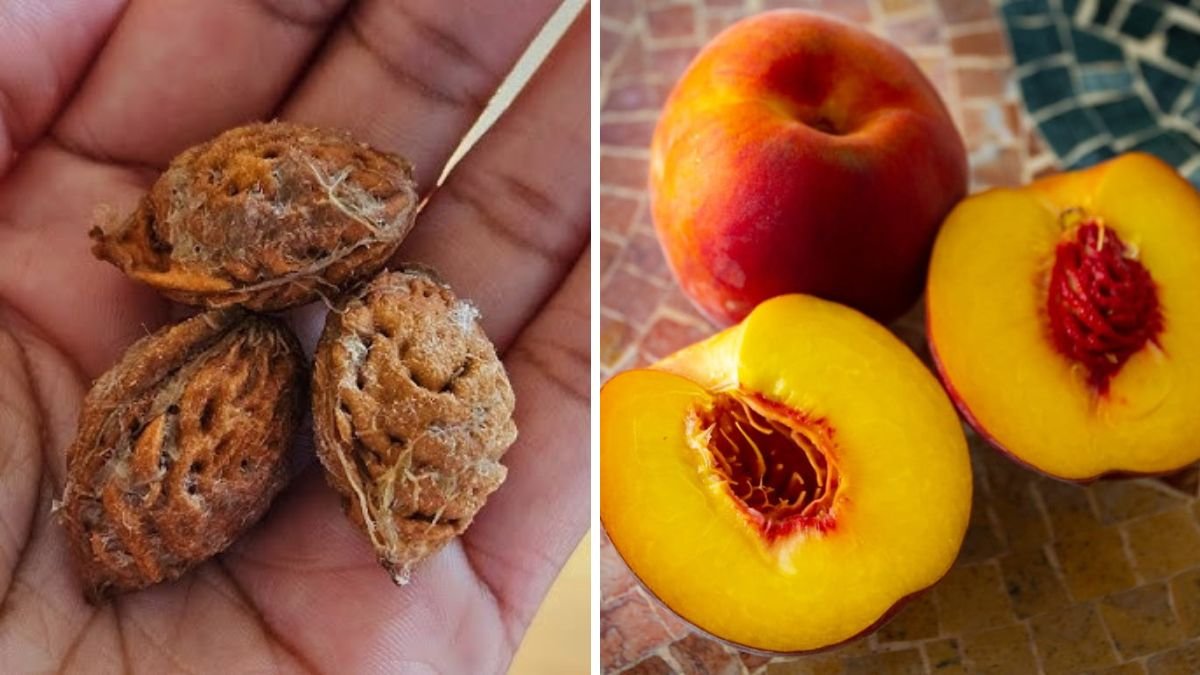
Mama Judy has mastered growing peaches from seeds at home. Her method is simple, cost-effective, and perfect for beginners. Peach trees grown from seeds produce delicious, natural fruits. She emphasizes care, patience, and understanding plant needs. Starting from seeds ensures genetic variety. Homegrown peaches are free from chemicals. This approach suits backyard gardens and containers. Her technique inspires gardeners worldwide.
2. Botanical Background
Peach trees (Prunus persica) belong to the Rosaceae family. They are deciduous fruit trees. Leaves are lance-shaped, bright green, and aromatic. Flowers are pink or white, appearing in early spring. Peaches develop from pollinated flowers. Seed-grown trees may take several years to fruit. Knowledge of the botanical structure aids proper care. Understanding tree biology improves success rates.
3. Climate Requirements
Peaches thrive in temperate climates. Cold winters help trigger flowering and fruiting. Warm summers aid fruit development. They require chilling hours for dormancy but can adapt to mild winters. Proper rainfall or irrigation is critical. Frost can damage young blooms. Container trees need sun-exposed positions. Climate monitoring ensures healthy growth and consistent harvests.
4. Seed Selection
Select mature, healthy peaches for seeds. Remove pulp and rinse thoroughly. Choose seeds without cracks or mold. Label the seeds for tracking. Fresh seeds improve germination. Choosing fruit from a thriving tree ensures vigor. Some varieties may perform better in home gardens. Seed quality directly influences germination success.
5. Pre-Planting Preparation
Soak peach seeds in water for twenty-four hours. Lightly scarify the hard seed coat. This helps water absorption. Avoid using damaged seeds. Maintain cleanliness to prevent fungal infection. Pre-treatment accelerates germination. Proper preparation enhances early growth. Careful handling increases survival rates.
6. Germination Process
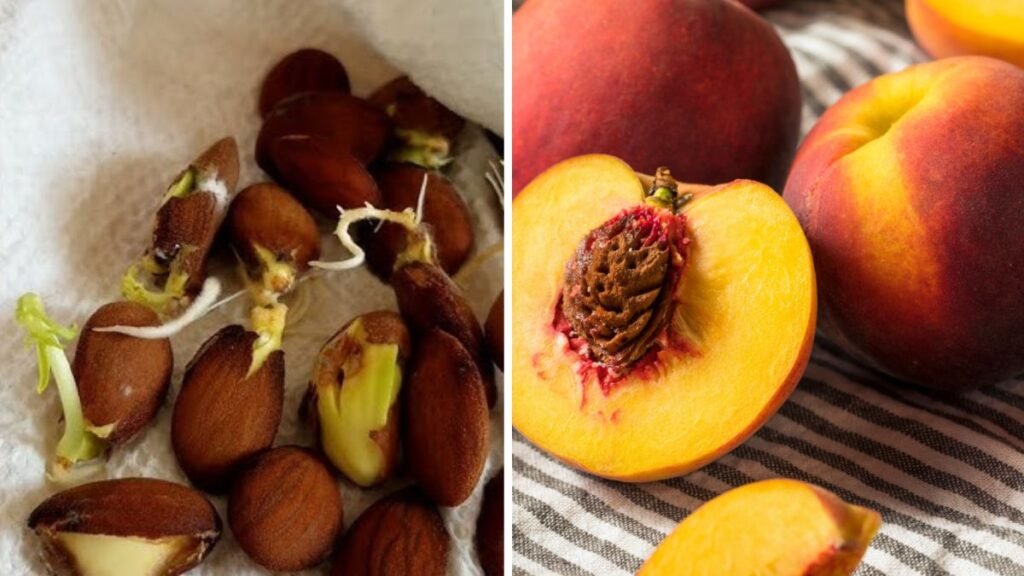
Place seeds in moist, well-draining soil or paper towels. Keep in warm, indirect sunlight. Maintain temperature around twenty-five degrees Celsius. Germination may take one to three weeks. Monitor moisture consistently. Avoid overwatering. Strong seedlings develop from properly prepared seeds. Patience is crucial during this stage.
7. Container or Nursery Stage
Once seedlings sprout, transfer them to small pots or nursery beds. Use well-draining soil with organic compost. Provide shade initially to prevent sunburn. Maintain consistent moisture. Remove weak or deformed seedlings. Fertilize lightly to encourage growth. Monitor for pests and disease. Healthy nursery care supports strong young trees.
8. Transplanting
Transplant seedlings when they are ten to fifteen centimeters tall. Prepare the planting hole carefully. Mix compost into the soil. Gently position the seedling and water thoroughly. Mulch around the base to conserve moisture. Avoid disturbing roots. Planting during mild weather reduces stress. Proper transplanting sets the foundation for healthy trees.
9. Sunlight Requirements
Peach seedlings need at least six hours of direct sunlight daily. Early exposure strengthens stems. Gradually increase sun exposure for acclimatization. Adequate light promotes flowering later. Insufficient sunlight delays growth. Containers may be moved to maximize light. Balanced exposure ensures strong, healthy trees. Sunlight impacts leaf development and fruiting.
10. Watering Practices
Consistent watering supports healthy growth. Young seedlings need frequent moisture. Avoid waterlogging to prevent root rot. Container plants require more regular checks. Mulching helps retain soil moisture. Gradual reduction in watering prepares seedlings for transplant. Proper irrigation promotes flowering and fruit development. Balanced moisture ensures survival and vigor.
11. Fertilization
Use organic compost or balanced slow-release fertilizers. Nitrogen promotes leafy growth. Phosphorus and potassium support flowering and fruiting. Avoid over-fertilizing, which may weaken roots. Fertilize every four to six weeks. Monitor leaves for nutrient deficiencies. Fertilization encourages compact, strong seedlings. Proper nutrition enhances overall growth.
12. Pruning for Early Growth
Light pruning encourages bushy growth. Remove weak or crossing branches. Avoid severe pruning during early stages. Shaping seedlings ensures stronger trunks. Pruning improves airflow and sunlight penetration. Helps prevent disease. Maintains manageable height for container growth. Balanced pruning promotes health and vigor.
13. Flowering Stage
Peach trees usually flower after one to three years. Healthy seedlings produce abundant pink or white flowers. Proper nutrition and sunlight improve bloom density. Pollination ensures fruit set. Container plants may flower slightly later. Monitor flower health for early pest detection. Flowering signals upcoming fruit development. Early bloom management enhances yield.
14. Pollination
Peach trees require cross-pollination for optimal fruiting. Bees and other insects facilitate pollination. Hand pollination is optional in isolated containers. Flower health affects fruit set. Regular observation ensures successful pollination. Avoid pesticide use during bloom. Pollination directly impacts future yield. Healthy pollination improves fruit size.
15. Fruit Development
Fruits develop gradually after pollination. Young fruits are green and grow steadily over weeks. Container-grown trees may produce smaller but sweeter fruits. Adequate watering and nutrients are essential. Stress may cause fruit drop. Fruit clusters mature sequentially. Observing fruit growth ensures timely harvest. Development stage determines sweetness and size.
16. Pest and Disease Management
Common pests include aphids, mites, and fruit flies. Diseases such as peach leaf curl can occur. Organic sprays like neem oil or sulfur powder help. Maintain spacing for airflow. Remove infected leaves promptly. Container plants require closer attention. Prevention is easier than treatment. Healthy trees resist stress and maximize yield.
17. Harvesting
Harvest peaches when fully colored and soft to touch. Container trees allow easy access without ladders. Use gentle hand-picking to prevent bruising. Regular harvesting encourages new fruit set. Early harvest may be tart; later harvest produces sweeter fruits. Store in cool areas immediately. Proper harvesting preserves flavor and shelf life. Timing ensures peak quality.
18. Post-Harvest Handling
Wash fruits gently after picking. Avoid prolonged sun exposure. Store in cool, ventilated areas. Consume fresh or use for jams, preserves, or juices. Packaging prevents bruising. Handle carefully to preserve aroma and sweetness. Proper post-harvest care maximizes fruit longevity. Maintaining freshness is critical for home use or sale.
19. Benefits of Seed-Grown Peaches
Seed-grown peaches provide genetic diversity. Home cultivation ensures chemical-free fruits. Container plants suit small spaces and urban gardens. Growing from seeds reduces cost compared to nursery saplings. Patience produces unique, flavorful fruits. Seed-grown trees promote sustainable gardening. Encourages learning about plant biology. The approach combines economy, taste, and fun.
20. Conclusion
Mama Judy’s method proves that peaches can be grown easily from seeds. Proper selection, preparation, and care are key. Sunlight, watering, and fertilization ensure healthy seedlings. Flowering, pollination, and fruiting stages are critical for success. Container or backyard trees can thrive with consistent attention. Seed-grown peaches offer freshness, flavor, and satisfaction. Patience and observation lead to rewarding harvests. Growing peaches from seeds is both enjoyable and productive.
📊 Table: Peach Seed Planting Summary
| Aspect | Requirement | Benefit |
|---|---|---|
| Climate | Temperate, frost-free | Promotes flowering and fruit set |
| Soil | Well-draining, fertile | Healthy roots and compact growth |
| Sunlight | Full sun, six hours daily | Strong seedlings and flowers |
| Watering | Consistent moisture | Reduces stress and improves yield |