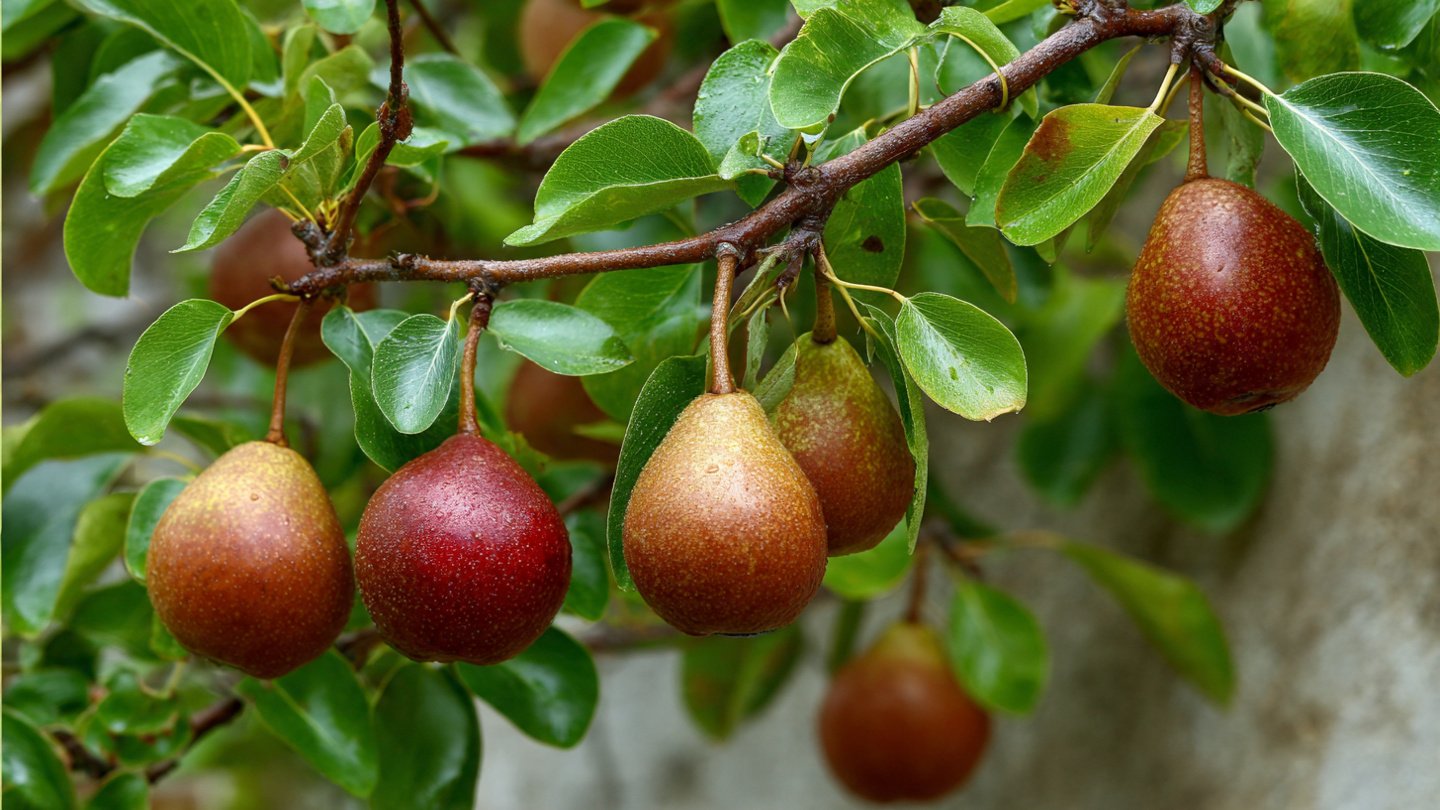

Pear trees are cherished for their delicious fruit and delicate beauty. While traditional pear trees take up considerable space, columnar varieties offer a compact solution, perfect for small gardens or patios. These trees not only save space but also provide an abundance of juicy pears. In this article, we’ll explore how to successfully grow juicy pears on a miniature columnar tree, focusing on crucial aspects such as selection, planting, care, and harvesting.
Understanding Columnar Pear Trees
Columnar pear trees are unique due to their upright, narrow growth habit, usually reaching heights of 8 to 10 feet. They are perfect for urban environments where space is limited. Some popular varieties include ‘Urban Pear’, ‘Defender’, and ‘Catalina’. These trees typically produce medium-sized to large pears, which are juicy and flavorful.
Choosing the Right Variety
Selecting the right variety is essential. Here are some tips on choosing a suitable columnar pear tree:
- Climate Compatibility: Ensure the chosen variety is well-suited for your climate zone. Most pear trees thrive in USDA zones 4-9.
- Pollination Needs: Many pear trees require cross-pollination for optimal fruit production. Check whether your selected tree needs a pollinator and choose accordingly.
- Disease Resistance: Opt for varieties that show resistance to common problems like fire blight and pear scab.
Planting Your Columnar Pear Tree
The right planting technique can significantly affect your tree’s growth and fruit yield.
Site Selection
Choose a location that receives full sun for at least 6-8 hours a day. Good air circulation reduces the risk of diseases.
Soil Preparation
Columnar pear trees prefer well-drained loamy soil. Before planting:
- Test soil pH; aim for a pH of 6.0-7.0.
- Amend the soil with organic matter like compost to improve texture and fertility.
Planting Technique
Follow these steps for effective planting:
- Dig a hole twice the width and the same depth as the root ball.
- Loosen the roots gently and place the tree in the center of the hole.
- Fill in the hole with soil, ensuring the graft union is at soil level.
- Water thoroughly to eliminate air pockets.
Caring for Your Columnar Pear Tree
Proper care is essential for producing juicy pears. Here’s what you need to focus on:
Watering
Columnar pear trees require consistent moisture, especially during the growing season. Water deeply but infrequently to encourage deep root development. Generally, a weekly watering is suitable unless there’s sufficient rainfall.
Fertilization
To ensure healthy growth:
- Apply a balanced fertilizer in early spring, as the buds begin to swell.
- Follow the manufacturer’s instructions for application rates.
Pruning
Pruning helps manage the size and shape of your columnar tree, promoting better air circulation and sunlight exposure:
- Prune during late winter when the tree is dormant.
- Remove any dead, damaged, or crossing branches to maintain an open center.
- Aim to keep the height manageable for harvesting.
Pest and Disease Management
Being proactive is crucial for maintaining your pear tree’s health:
- Regularly inspect for signs of pests like aphids and pear psylla.
- Use organic pesticides when necessary; always follow label instructions.
- Maintain good air circulation and avoid overhead watering to minimize disease risk.
Harvesting Your Juicy Pears
Knowing when and how to harvest your pears is vital for the best flavor:
Timing
Pears ripen best off the tree. Most columnar pears are ready to harvest in late summer to early fall. To check for ripeness:
- Lightly squeeze the pear; it should give slightly under pressure.
- Check the color; many varieties transition from green to yellow as they ripen.
Harvesting Technique
Use a gentle twisting motion to detach the pear from the tree, being careful not to damage the stem. Handle the fruit with care to avoid bruising.
Conclusion
Growing juicy pears on a miniature columnar tree is an exciting and rewarding endeavor. By carefully choosing the right variety, properly planting and maintaining your tree, and harvesting at the optimal time, you can unlock the secrets to enjoying fresh, delicious pears right from your backyard. This compact solution offers not only a beautiful addition to your landscape but also an abundance of fruit, making it a perfect choice for small spaces. Whether you’re a novice gardener or an experienced horticulturist, following these steps will help ensure a successful harvest of juicy pears.
FAQs
1. Can columnar pear trees be grown in pots?
Yes! Columnar pear trees are suitable for container gardening due to their compact size. Ensure the pot is large enough and has good drainage.
2. How often should I fertilize my columnar pear tree?
Fertilize your tree in early spring with a balanced fertilizer. You might also consider a mid-summer feeding if the tree shows signs of nutrient deficiency.
3. What are the common pests affecting pear trees?
Common pests include pear psylla, aphids, and spider mites. Regular monitoring and organic pest control can help manage infestations.
4. How do I know when my pears are ripe?
Pears are typically ready to harvest when they begin to change color and yield slightly to pressure. Since they ripen off the tree, it’s advisable to pick them just before they are fully ripe.
5. Do columnar pear trees require pollination?
Many varieties of columnar pears are self-pollinating, but planting another variety nearby can enhance fruit production.