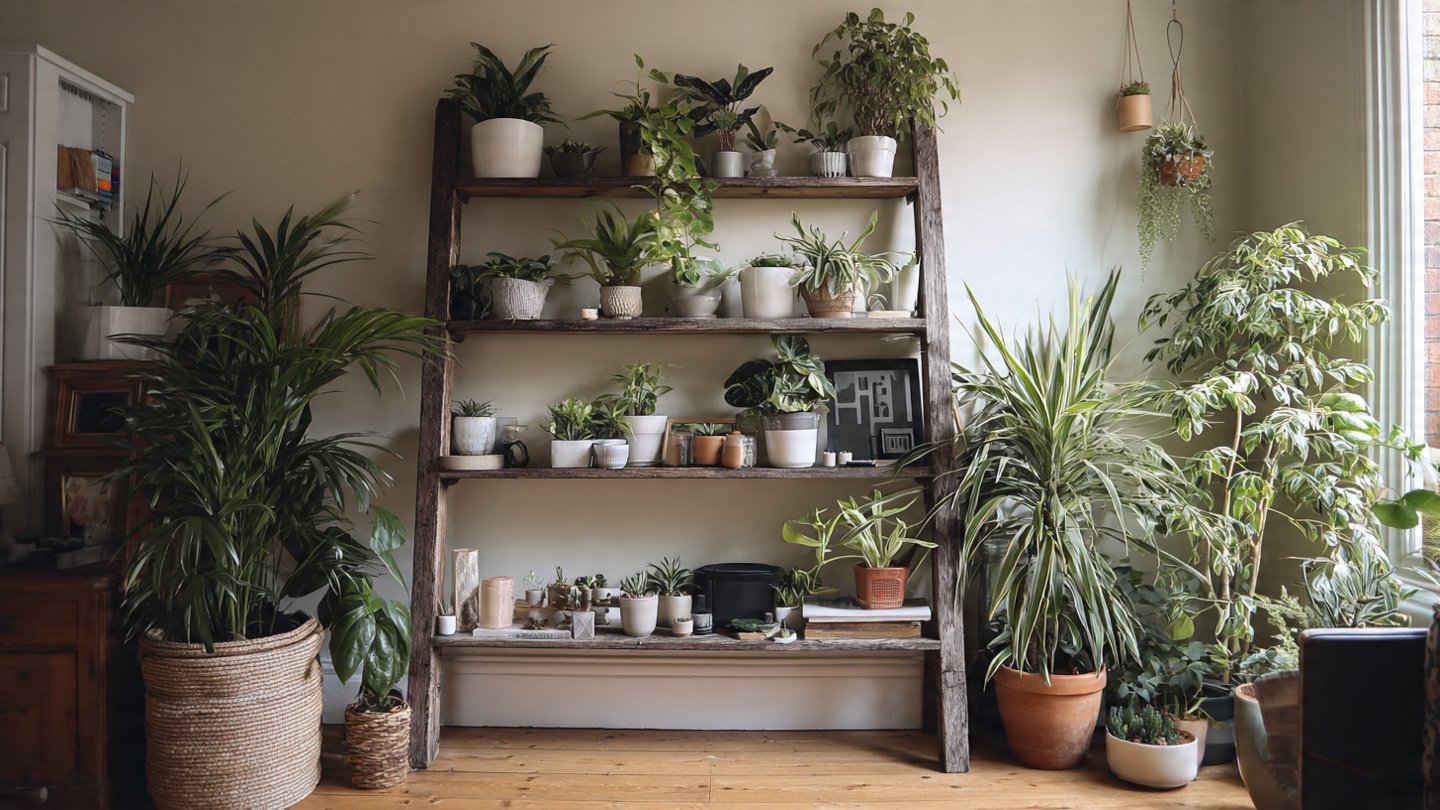

Are you looking to add a touch of nature to your home while maximizing your available space? Ladder shelves may just be the answer you’re looking for! These versatile and stylish shelving units not only allow for creative organization but also serve as fantastic platforms for showcasing your beloved plants. In this article, we’ll explore how to beautifully integrate ladder shelves into your living space, making use of their multi-level design to create stunning plant displays.
Understanding Ladder Shelves
Ladder shelves are uniquely designed shelving units that typically feature a step-like structure, allowing for multiple tiers of display space. They’re perfect for small apartments or homes where floor space is limited, while still offering sufficient room to showcase a variety of plants. These shelves often come in various materials such as wood, metal, or a combination of both, making it easy to find a design that complements your existing decor.
The Benefits of Using Ladder Shelves for Plants
- Space-Saving: Ladder shelves are a great way to utilize vertical space. By stacking plants at varying heights, you can display them without taking up valuable floor area.
- Visibility: The tiered design allows for better visibility of smaller plants, making it easier to appreciate their unique aesthetics.
- Air Circulation: Proper spacing between plants on different tiers promotes better air circulation, benefiting their health.
- Flexibility: Ladder shelves can be easily moved or repositioned, allowing for creativity in your interior design.
- Decorative Element: These shelves come in various designs and colors, serving as both functional and decorative pieces in your home.
Choosing the Right Ladder Shelf
When selecting a ladder shelf, consider the following factors:
- Size: Ensure the ladder shelf fits well within your available space. Measure the area where you plan to place it to determine the right height and width.
- Material: Choose materials that not only match your decor but also support the weight of your plants. Wood offers a natural look, while metal can add an industrial touch.
- Weight Capacity: Ensure the shelves can support the weight of the plants and their pots. Typically, heavier plants are better suited for lower shelves.
- Design: Opt for a design that complements your home decor. The right style can enhance your aesthetic, blending seamlessly with your existing furnishings.
Creating a Multi-Level Plant Display
Once you’ve selected your ladder shelf, it’s time to curate your plant display. Here’s how to create a visually appealing multi-level arrangement:
1. Select Your Plants
Start by selecting a variety of plants to display. Consider mixing different types to create an interesting visual contrast. Include different shapes, colors, and sizes:
- Tall plants: Use larger plants like snake plants or fiddle leaf figs on the lower or middle shelves to create height.
- Medium-sized plants: Options like pothos or peace lilies work great in the center layers.
- Trailing plants: Add varieties like ivy or string of pearls on the upper shelves to create cascading effects.
2. Layering Technique
Utilize the principles of layering and varying heights. Place taller plants at the bottom or middle level to create a strong foundation, transitioning to medium and shorter plants as you move up to the top tier. This not only enhances visibility but also creates depth.
3. Consider Color and Texture
In your plant selection, think about the colors and textures that would work well together. Contrast vibrant greens with colorful pot designs; consider using matte and glossy finishes for an added dimension. You might even incorporate decorative stones or moss for textural contrast in pots.
4. Use Decorative Pots
Investing in decorative pots can elevate your ladder shelf display. Ceramic, terracotta, or quirky sculptural pots can serve as artistic elements while housing your plants. Choose a common theme for your pots to tie the overall look together.
5. Balance the Display
Maintain balance by ensuring that no single tier appears overcrowded or too sparse compared to the others. Regularly stepping back to assess the overall visual effect will help you create a harmonious arrangement.
Maintaining Your Ladder Shelf Plant Display
Creating a beautiful ladder shelf plant display is one thing, but maintaining it is another. Here are some tips:
- Watering: Establish a watering schedule based on the specific needs of each plant. Avoid overwatering, which can lead to root rot.
- Light Conditions: Ensure that plants receive the appropriate amount of light. If necessary, rotate your plants occasionally for even exposure.
- Dusting: Regularly dust the leaves and shelves to keep everything looking clean and vibrant.
Conclusion
Ladder shelves offer a unique and practical solution for showcasing your plant collection while utilizing vertical space effectively. By selecting the right shelf and carefully arranging your plants, you can create stunning multi-level displays that enhance the beauty of your home. With a little creativity and maintenance, your ladder shelves can transform any room into a lush, vibrant sanctuary filled with life and color.
FAQs
Q1: What types of plants work best on ladder shelves?
A1: A variety of plants can work well. Consider mixing tall plants like fiddle leaf figs with medium ones like pothos and trailing types such as ivy for visual interest.
Q2: Can ladder shelves be used outdoors?
A2: While some ladder shelves can withstand outdoor conditions, they should be made of weather-resistant materials to prevent damage from moisture and UV rays.
Q3: How do I clean ladder shelves and the plants?
A3: Use a soft cloth to dust the shelves and gently wipe down plant leaves with a damp cloth or sponge to remove dust and dirt.
Q4: Can I DIY my own ladder shelf?
A4: Yes! Ladder shelves can be easily made using wood planks and basic woodworking tools. There are many online guides and tutorials available for DIY enthusiasts.
Q5: How often should I water the plants on my ladder shelf?
A5: Watering frequency varies by plant type and environmental factors. It’s best to check the soil moisture before watering. Generally, indoor plants should be watered every 1-2 weeks.