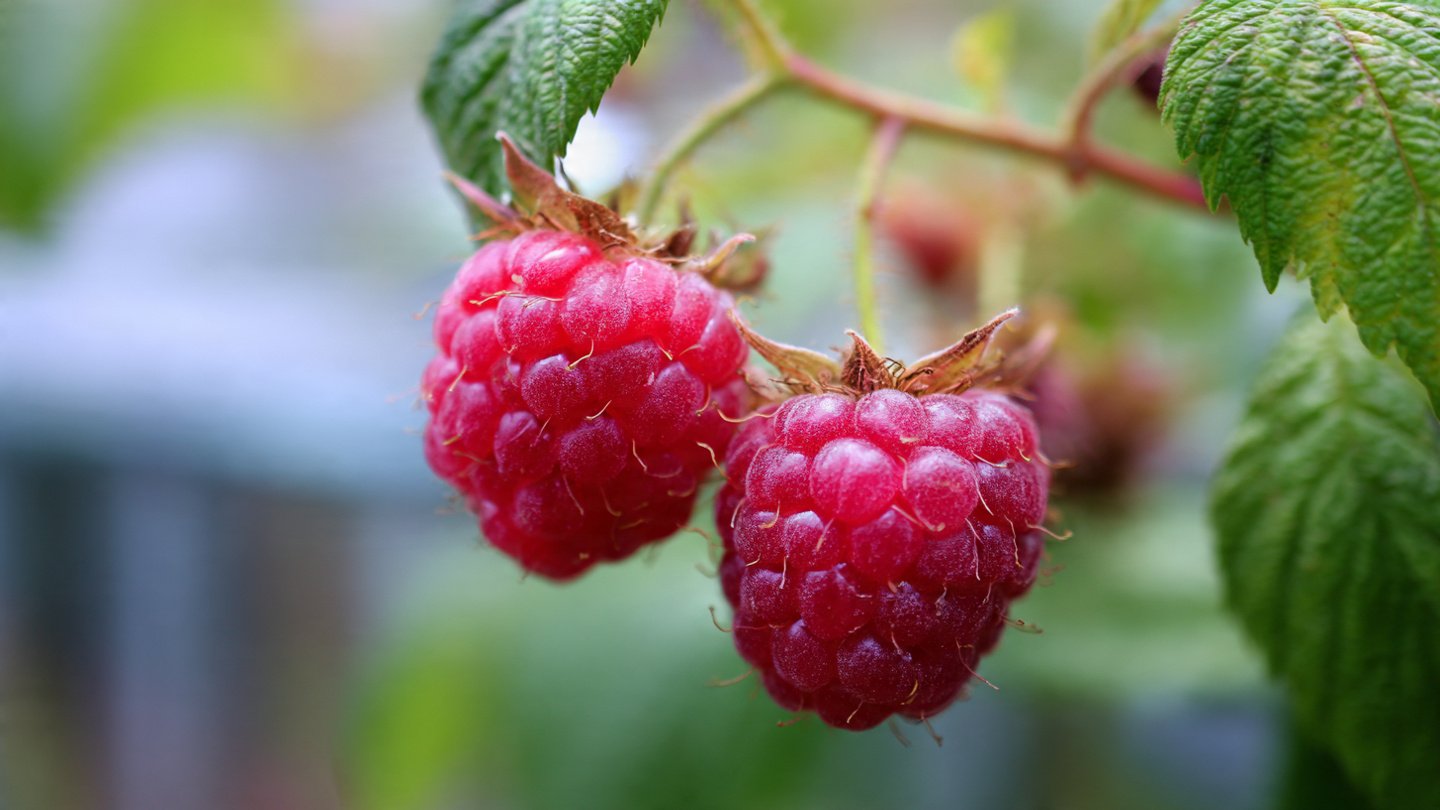

Raspberry cultivation can yield incredible results, providing gardeners with delicious fruit during the growing season. However, to achieve the best possible harvests, proper pruning techniques are paramount. Pruning is essential for both summer and fall-bearing raspberry varieties, ensuring plants remain healthy and productive. This article outlines effective pruning strategies that can help maximize raspberry harvests and support two fruitful seasons.
Understanding Raspberry Varieties
Before delving into pruning methods, it’s crucial to understand the two main types of raspberry plants:
- Summer-Bearing Raspberries: These varieties produce fruit on two-year-old canes. After harvesting, the spent canes should be pruned back to the base to encourage new growth for the following season.
- Fall-Bearing Raspberries: These plants can produce fruit on both first-year and second-year canes. Proper pruning will allow for a more extended harvest period and can control both smaller and larger crops within the same season.
Pruning Techniques for Optimal Raspberry Growth
Each type of raspberry requires different pruning strategies. Here’s how you can effectively prune for each:
1. Pruning Summer-Bearing Raspberries
Summer-bearing raspberries generally fruit in June or July. One crucial aspect of their care is ensuring that two-year-old canes are properly managed:
- Post-Harvest Pruning: After the harvest, eliminate dead and diseased canes. Cut these canes back to the ground level using sharp, clean pruning shears. This allows for new growth to flourish in the upcoming season.
- Thinning Canes: Ideally, there should only be about 4-6 healthy canes per foot of row. Remove any weaker canes to promote better airflow and sunlight penetration.
- Tip-Pruning: To encourage branching, prune the tips of the healthy canes (about 4-6 inches from the top) after harvest. This helps stimulate the growth of lateral branches where next year’s fruit will develop.
2. Pruning Fall-Bearing Raspberries
Fall-bearing raspberries can be a bit more forgiving as they can produce fruit on first-year canes:
- Annual Pruning: If you want to harvest in both spring and fall, cut the first-year canes down to about 3 inches from the ground after the last harvest of the season. This encourages new cane growth.
- Dual-Season Harvesting: For those who prefer only a fall harvest, it’s best to prune the entire plant down to the ground level each winter. This allows the plant to focus its energy on new canes, promoting a more robust crop.
- Thinning: Just like summer-bearing varieties, ensure that you maintain 4-6 strong canes per foot to prevent overcrowding.
Seasonal Maintenance Tips
In addition to pruning, consistent maintenance is key to maximizing raspberry yields:
- Watering: Provide consistent moisture, especially during dry spells. Deep watering encourages strong root development.
- Fertilization: Use a balanced fertilizer in early spring and after the first harvest to promote healthy new growth.
- Pest and Disease Management: Regularly inspect your plants for pests such as aphids or spider mites, and treat any infestations immediately. Implement organic solutions or insecticidal soap to minimize harm to beneficial insects.
Conclusion
Pruning is indispensable when growing raspberries, allowing you to enjoy bountiful harvests in both summer and fall. By understanding the unique characteristics of summer and fall-bearing varieties and employing strategic pruning techniques, you can maximize productivity and health. Additionally, implementing seasonal maintenance routines further enhances the growth potential of your raspberry plants. With these practices in place, your backyard can be a thriving source of fresh, delicious raspberries year after year.
FAQs
1. When is the best time to prune my raspberries?
The ideal time to prune summer-bearing raspberries is after harvest in late summer or early fall. For fall-bearing raspberries, pruning can be done in late winter or early spring.
2. How can I tell if my raspberry canes are healthy?
Healthy raspberry canes should be firm, green or brown, and have a moderate number of leaves. Look for signs of disease, such as discoloration or wilting, and remove any unhealthy canes immediately.
3. Can I prune raspberries in the fall?
For summer-bearing raspberries, it’s best to wait until after the fruiting period. For fall-bearing raspberries, you can prune them down to the ground in the fall or very early spring.
4. How often should I water my raspberry plants?
Raspberry plants benefit from consistent moisture. Aim for watering them at least once a week during dry periods, ensuring the soil remains moist but not soggy.
5. What type of fertilizer is best for raspberry plants?
A balanced fertilizer with equal parts nitrogen, phosphorus, and potassium is recommended. Look for a fertilizer with a ratio of 10-10-10 or similar for optimal growth.